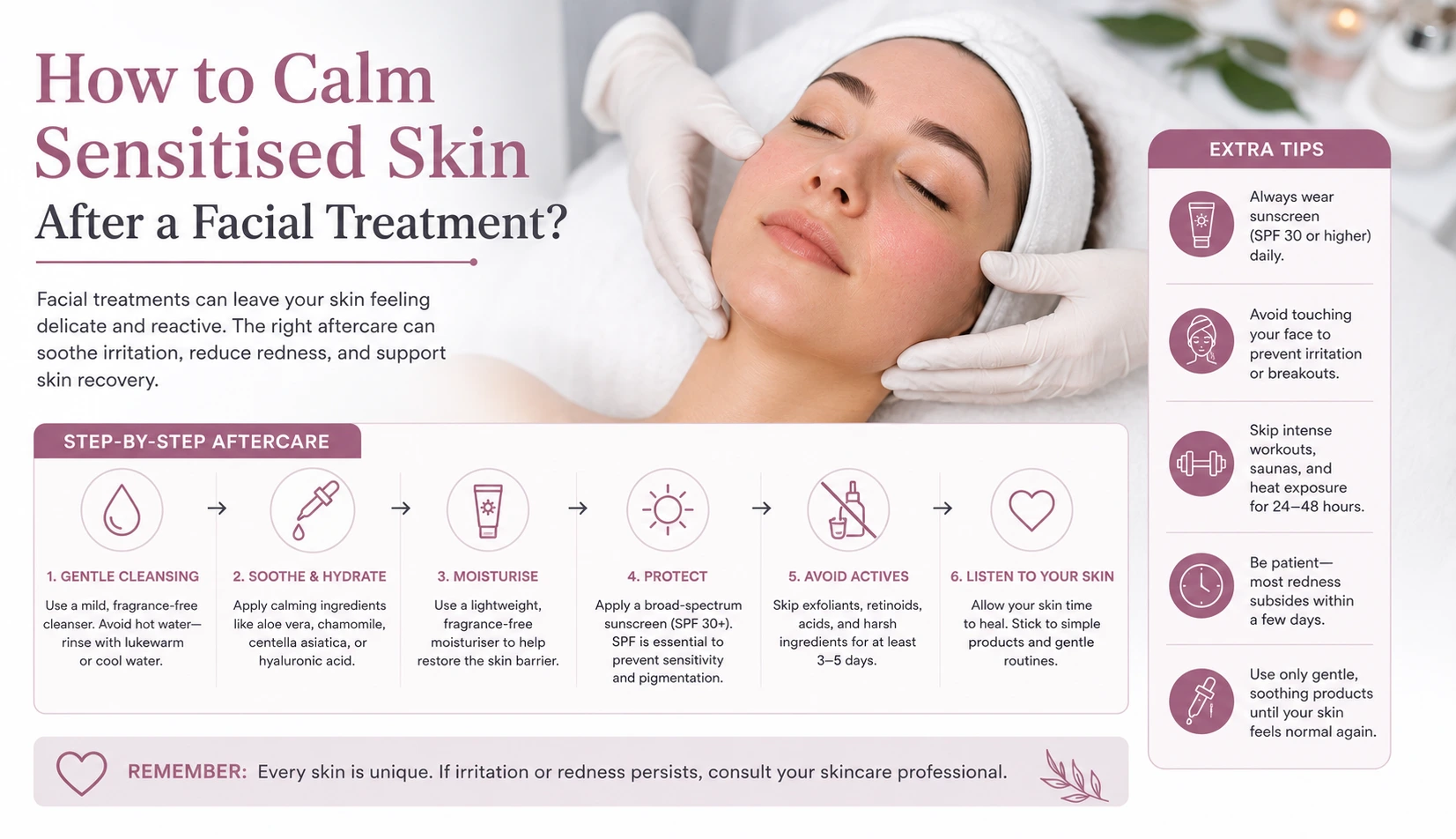
How to Calm Sensitised Skin After a Facial Treatment
Sensitised skin after a facial treatment is something practitioners encounter regularly. Redness, tightness, and a heightened skin response can all appear in the hours and days following a professional treatment, and knowing how to manage this well is part of delivering excellent client outcomes. The good news is that most post-treatment sensitivity is temporary and entirely manageable with the right approach. For practitioners using the Trexyne Peel, the botanical mechanical mechanism and tiered protocol are specifically designed to keep post-treatment responses predictable. This guide covers what sensitised skin actually means, why it happens, and how to support the skin back to a calm, stable state effectively.
What Does Sensitised Skin Actually Mean
Sensitised skin is not the same as naturally sensitive skin. It is a temporary state that the skin enters following a treatment, change in environment, or disruption to its normal barrier function. Understanding this distinction matters because the management approach differs.
The Difference Between Sensitive and Sensitised
Sensitive skin is a skin type. It tends to react easily to many products and environmental factors and requires careful, consistent management over time.
Sensitised skin is a skin condition. It can affect any skin type, including oily or combination skin, and it arises in response to a specific trigger. After a facial treatment, the skin has been deliberately disrupted to prompt renewal. Some degree of reactivity during the recovery period is expected and normal.
Practitioners who can explain this distinction clearly will help clients feel more confident and less alarmed by a post-treatment response. Setting expectations at the consultation stage reduces unnecessary concern and supports better compliance with aftercare guidance.
Why Facial Treatments Can Cause Temporary Sensitivity
Any treatment that works at the skin’s surface level will produce some degree of response. This is not a sign that something has gone wrong. It is the skin’s natural reaction to controlled disruption.
What Happens to the Skin During Resurfacing
When a resurfacing treatment is applied, the outermost layer of the skin is refined and disrupted. The skin’s renewal response is triggered, encouraging new cells to surface. During this process, the barrier function is temporarily reduced. A reduced barrier means the skin loses moisture more quickly and is more reactive to external factors such as temperature, wind, and product application.
This is why the aftercare phase is so important. The skin is in an active renewal state, and what is applied to it during this window has a direct effect on how smoothly the recovery progresses.
The Role of Barrier Function in Post-Treatment Recovery
The skin barrier is the outermost protective layer that keeps moisture in and environmental aggressors out. When this barrier is working well, the skin feels comfortable, calm, and resilient. When it is temporarily compromised after treatment, the skin needs specific support to rebuild it efficiently.
Signs That the Barrier Needs Support
Practitioners should watch for the following in clients during the post-treatment period:
- Skin that feels tight or uncomfortable even without product application
- Visible redness that persists beyond the expected recovery window
- Increased reactivity to products the client normally tolerates well
- Visible flaking or dry patches as the skin renews its surface
These signs indicate the barrier is in active recovery. The priority at this stage is to support the skin without overloading it with actives or unnecessarily stimulating ingredients.
Immediate Steps to Calm Sensitised Skin After Treatment
The first 24 to 48 hours after a facial treatment are the most important for managing sensitivity. The guidance given to clients during this window sets the tone for their entire recovery.
What to Recommend in the First 48 Hours
Keep the routine simple. After any resurfacing treatment, the skin benefits from a reduced product load. Advise clients to use only gentle, fragrance-free products during the initial recovery phase.
Avoid heat. Hot showers, steam rooms, saunas, and intense exercise raise skin temperature and can intensify redness and reactivity. Clients should avoid these for at least 48 hours post-treatment.
Do not pick or exfoliate. Any additional mechanical or physical disruption to skin that is already in a renewal phase will delay recovery. Clients should be advised firmly against using any exfoliating tools or products until the practitioner confirms the skin has fully settled.
Apply SPF. Even indoors, UV exposure can affect sensitised skin and interfere with the renewal process. A broad-spectrum SPF applied gently over a minimal moisturiser is an important daily step throughout the recovery phase.
How the Trexyne Peel Supports a More Manageable Recovery
One of the key reasons practitioners choose the Trexyne Peel is the predictability of its post-treatment response. This comes directly from how the product works and what it contains.
Mechanical Rather Than Chemical Disruption
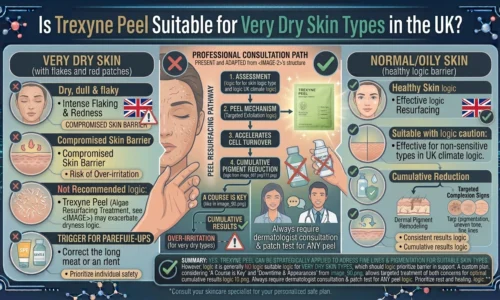
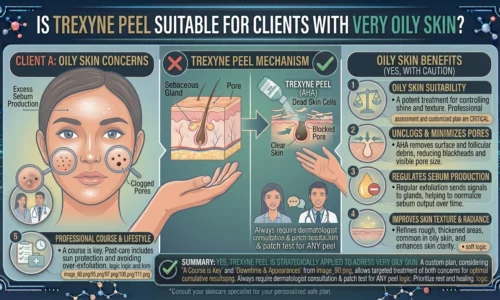
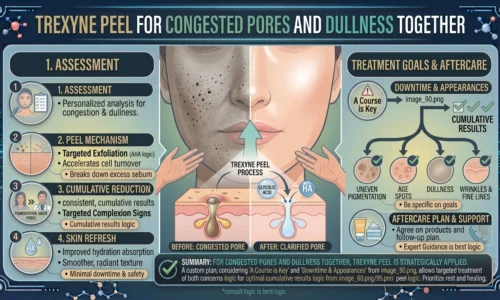
The Trexyne Peel uses marine algae spicules to create controlled micro-channels in the skin’s surface. This is a botanical and mechanical process. There are no chemical exfoliants involved. The skin responds to physical resurfacing rather than to chemical agents, which means the nature of the post-treatment response is different and, for many clients, more comfortable to manage.
Practitioners working with clients who have previously experienced unpredictable reactions to other resurfacing treatments often find the Trexyne Peel’s mechanical approach produces a more manageable recovery experience.
Stabilised Vitamin E From the First Application
The Trexyne Peel contains stabilised tocopherol, the active form of Vitamin E. This ingredient supports the skin’s recovery phase from the very first application. While the marine spicules work at the surface, the Vitamin E component works alongside the skin’s natural processes to support a smoother and calmer recovery.
For practitioners managing clients with a tendency toward sensitisation, this built-in recovery support is a practical advantage. The treatment is not simply resurfacing and then leaving the skin to manage on its own.
Choosing the Right Aftercare Products for Sensitised Skin
Not all moisturisers and calming products are appropriate for post-treatment skin. Choosing the wrong formulation can slow recovery or cause additional reactivity.
What to Look for in Post-Treatment Products
Advise clients toward products that include the following:
- Fragrance-free formulations, as fragrance is one of the most common triggers for sensitised skin reactivity
- Simple ingredient lists that prioritise barrier support without unnecessary actives
- No retinoids, high-strength Vitamin C, or other resurfacing ingredients during the recovery phase
- Gentle humectants to support moisture retention while the barrier rebuilds
The goal is to give the skin what it needs to recover without adding further variables to the process.
When to Reintroduce Active Ingredients
Clients often ask when they can return to their usual routine. The answer depends on the individual skin’s recovery, but a general guide is to wait until all visible redness and sensitivity has fully resolved before reintroducing actives such as retinoids or vitamin C. Practitioners using the tiered Trexyne protocol should advise clients based on the intensity of the session delivered.
If clients have questions during their recovery, they can contact the clinic directly or practitioners can direct specific queries to the Trexyne team.
The Tiered Protocol and Why It Matters for Sensitivity Management
The Trexyne Peel is designed with a tiered protocol that allows practitioners to calibrate the intensity of each session to the individual client’s skin. This is one of its most clinically practical features when managing clients prone to sensitisation.
Matching Intensity to Skin Type
Not every client needs the same level of resurfacing intensity. A first-time client with a history of sensitivity may benefit from a conservative initial approach, with intensity gradually increased as the skin demonstrates tolerance and recovery confidence. A more resilient skin type may be able to progress through the tiers more quickly.
The tiered approach means practitioners are never locked into a one-size-fits-all treatment. It also means that if a client has experienced a more pronounced post-treatment response, the practitioner can adjust the next session accordingly. This level of control directly reduces the likelihood of prolonged or unexpected sensitisation during a treatment course.
Practitioners can explore the full Trexyne Peel professional range to understand the course formats available, from single sessions through to structured 20-peel courses suited to ongoing clinic programmes.
Lifestyle Factors That Can Affect Post-Treatment Sensitivity
Post-treatment skin does not exist in isolation. Several lifestyle factors can influence how quickly the skin calms and recovers after a facial treatment.
Environmental and Lifestyle Influences
Sun exposure is the most significant external factor. UV light can interfere with the skin’s renewal process and increase the risk of post-treatment pigmentation, particularly in clients with darker skin tones or a history of pigmentation. Daily SPF is non-negotiable during recovery.
Alcohol consumption can increase skin flushing and surface redness and may prolong the period of visible sensitivity after treatment. Clients should be advised to avoid alcohol for at least 48 hours post-treatment.
Diet and hydration play a supporting role. Skin that is well-hydrated from within is better placed to maintain moisture levels during the barrier recovery phase. Encouraging clients to drink sufficient water and reduce inflammatory foods during the recovery window is practical, accessible advice.
Stress and poor sleep are less often discussed in post-treatment conversations but both can affect the skin’s ability to recover efficiently. The skin does much of its regenerative work during sleep, and elevated cortisol levels associated with stress can slow the recovery process.
When Post-Treatment Sensitivity Becomes a Concern
Most post-treatment sensitivity resolves within a predictable timeframe. However, practitioners should know what to look for if the response appears more prolonged or unusual than expected.
Signs That Warrant a Follow-Up Consultation
The following should prompt a direct follow-up with the client:
- Redness that does not begin to reduce after 72 hours
- Skin that feels increasingly uncomfortable rather than gradually improving
- Any signs of uneven skin colouring that develops rather than fades during recovery
- Client-reported discomfort that is disproportionate to the treatment delivered
In most cases, early reassurance and adjusted aftercare resolve the issue. The tiered Trexyne protocol means intensity can be reduced for the next session if the skin has responded more strongly than anticipated. For practitioners who need support managing a specific client response, the Trexyne contact page provides direct access to the brand team.
Conclusion
Sensitised skin after a facial treatment is a common and manageable part of the resurfacing process. The barrier is temporarily reduced, the skin is in an active renewal phase, and the right aftercare makes a meaningful difference to how quickly and comfortably recovery progresses. Simple routines, SPF, heat avoidance, and appropriate product choices are the foundations of good post-treatment support.
The Trexyne Peel is built with post-treatment manageability in mind. Its botanical mechanical mechanism, stabilised Vitamin E recovery support, and tiered protocol combine to give practitioners a tool that produces a predictable and manageable skin response. For clients prone to sensitisation, or those new to professional resurfacing, this predictability is one of its most valuable qualities. Used correctly within a structured treatment course, it may support a progressively calmer, smoother, and more refined complexion over time.
Frequently Asked Questions
Q: How long does skin stay sensitive after a professional facial treatment?
For most clients, visible redness and sensitivity begin to reduce within 24 to 48 hours after treatment. Full resolution typically occurs within a few days, depending on the intensity of the session and the individual skin’s recovery pace. Clients with a tendency toward sensitisation may take slightly longer. If sensitivity persists beyond 72 hours without improvement, a follow-up consultation with the practitioner is advisable.
Q: What should I put on my skin after a resurfacing facial to calm it down?
The priority after resurfacing is simplicity. A gentle, fragrance-free moisturiser and a broad-spectrum SPF are the two most important steps. Avoid actives such as retinoids, vitamin C, and exfoliating ingredients until the skin has fully settled. Reducing the product load during the recovery window gives the skin space to rebuild its barrier without additional interference.
Q: Is the Trexyne Peel suitable for clients with easily sensitised skin?
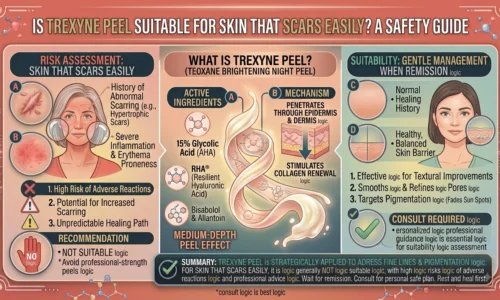
The Trexyne Peel may be suitable for clients with a tendency toward sensitisation because it works through a botanical mechanical mechanism rather than chemical exfoliants. Its tiered protocol allows practitioners to start at a lower intensity and progress gradually as the skin builds tolerance. Stabilised Vitamin E in the formulation also supports the recovery phase from the first application. A thorough consultation is always recommended before beginning any treatment course.
Q: Can I wear makeup to cover redness after a professional peel treatment?
Practitioners generally advise clients to avoid makeup application for the first 24 hours after a resurfacing treatment to allow the skin to begin its recovery undisturbed. After this initial period, a minimal, fragrance-free product may be suitable. Clients should avoid heavy or occlusive formulations until the skin has fully settled.
Q: Why does my skin feel tight after a facial treatment?
Tightness after a facial treatment is usually a sign that the skin’s barrier function is temporarily reduced. As the outermost layer has been refined during the session, moisture loss increases, which creates the sensation of tightness. Applying a gentle, fragrance-free moisturiser helps restore comfort while the barrier rebuilds. If tightness persists or worsens, the client should contact their practitioner.
Q: Does the Trexyne Peel cause significant redness or downtime?
The Trexyne Peel is designed for predictable downtime through its tiered protocol. Practitioners can match the intensity of the treatment to the client’s skin type and tolerance, which reduces the risk of a disproportionate post-treatment response. Some degree of redness and surface sensitivity is a normal part of the resurfacing recovery process, but extended or unpredictable downtime is not a characteristic of the Trexyne approach when the protocol is followed correctly.
Q: Where can practitioners access the Trexyne Peel for use in their clinic?
The Trexyne Peel is available exclusively to verified practitioners and clinics through the Trexyne professional shop. It is sold in single, 10-peel, and 20-peel formats to suit different clinic needs and treatment course structures.