Does Niacinamide Help Prevent Dark Spots From Forming?
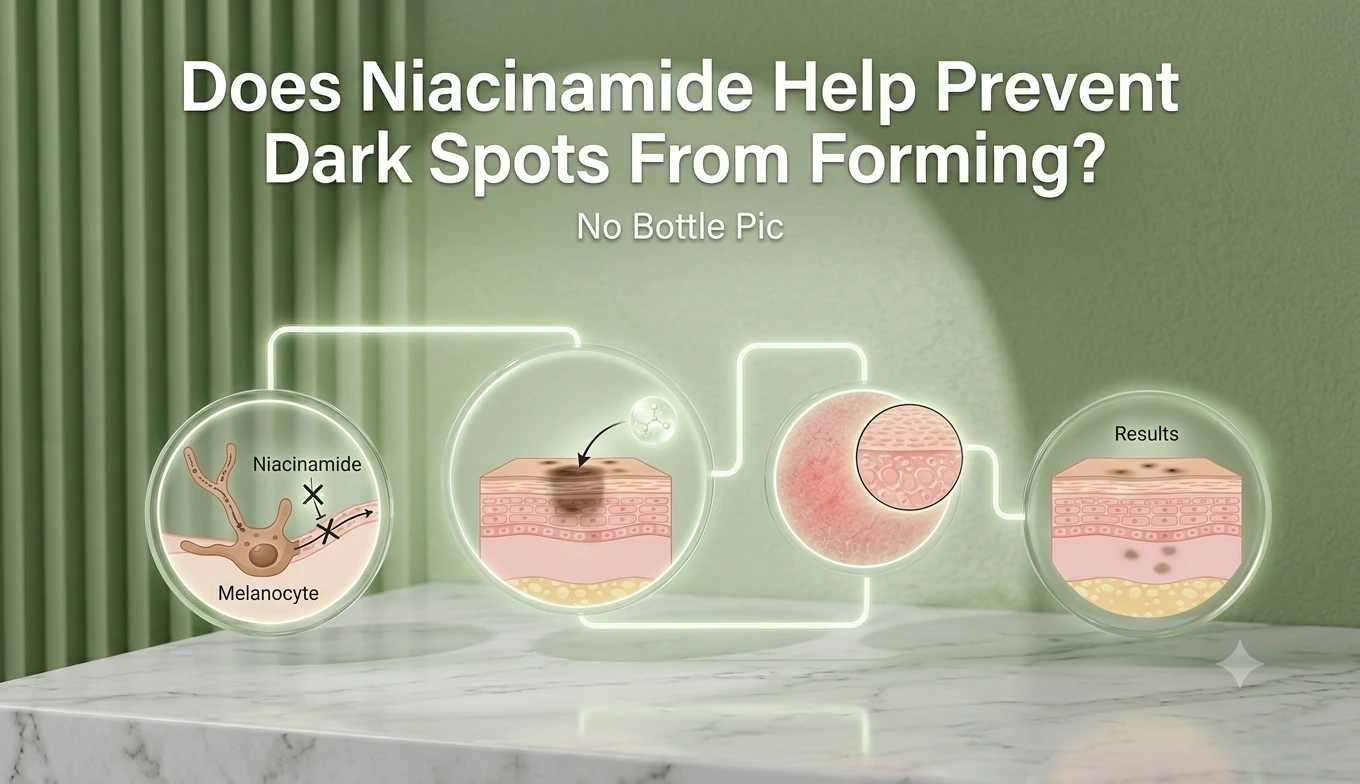
Niacinamide has become one of the most talked-about ingredients in skincare, and for good reason. Many people ask whether it can genuinely help prevent dark spots before they form, rather than just fading them afterwards. The short answer is that niacinamide is associated with supporting a more even-looking skin tone over time, though it works differently to resurfacing treatments like the Trexyne Peel, which addresses discolouration through controlled mechanical resurfacing rather than topical ingredient absorption.
This article looks at what niacinamide does, where its limits lie, and how a professional resurfacing treatment can complement a niacinamide-based skincare routine for clients concerned about dark spots.
What Niacinamide Actually Is
Niacinamide is a form of Vitamin B3 commonly used in serums and moisturisers. It’s popular partly because it tends to suit a wide range of skin types and is often included in routines aimed at supporting a brighter, more balanced-looking complexion.
How It’s Typically Used
Most clients apply niacinamide as part of their daily skincare routine, often in serum form, underneath moisturiser. It’s generally used long term rather than as a short course, since its effects tend to build gradually with consistent use.
Why It’s So Widely Recommended
Part of niacinamide’s popularity comes from its reputation for being gentle. Because it’s generally well tolerated across a wide range of skin types, including sensitive skin, it’s often one of the first ingredients recommended to clients who are new to building a more structured skincare routine. This broad tolerability is part of why so many clients ask specifically about it when they’re looking for ways to support their skin tone.
How Dark Spots Actually Form
Dark spots, sometimes called hyperpigmentation, often develop when the skin produces excess melanin in response to triggers such as sun exposure, inflammation, or previous breakouts. This excess pigment can settle in patches, creating the uneven tone many clients want to address.
Common Triggers Practitioners See
Sun exposure without adequate protection is one of the most frequent triggers seen in clinic. Post-inflammatory marks following acne or skin trauma are another common cause, particularly in clients with a history of breakouts. Hormonal changes can also play a role in some cases.
Why Dark Spots Can Be Slow to Fade Naturally
Once melanin has settled into the skin, it can take a considerable amount of time to fade on its own, sometimes months or longer, depending on where in the skin the pigment sits. This is one of the main reasons clients look for active support, whether through ingredients or professional treatment, rather than simply waiting for marks to resolve unaided.
Where Niacinamide May Help
Niacinamide is associated with supporting the skin’s barrier function and may help support a more even-looking tone with regular use. Because it’s generally well tolerated, it’s often recommended as a long-term addition to a skincare routine rather than a standalone solution for existing dark spots.
Supporting Prevention Rather Than Reversal
Some evidence suggests niacinamide may help support the skin’s resilience against factors that contribute to uneven tone, which is why it’s often positioned as a preventative addition to a routine. However, it isn’t typically considered a fast-acting solution for spots that have already formed and settled into the skin.
How Niacinamide Fits Into a Daily Routine
Because niacinamide is generally gentle, it can usually be layered alongside other skincare steps such as moisturiser and sun protection without much difficulty. This ease of use is one of the reasons it’s often suggested as a long-term maintenance step, rather than something used only occasionally or in short bursts.
Why Niacinamide Alone Often Isn’t Enough
While niacinamide can be a useful part of a daily routine, it works gradually and topically. For dark spots that have already formed, particularly those that are more established or stubborn, many clients find that ingredient-based routines alone don’t deliver the visible change they’re hoping for within a reasonable timeframe.
The Case for Combining Approaches
This is where a professional resurfacing treatment can play a complementary role. Rather than relying solely on daily topical application, a treatment that works on the skin’s surface directly can support more noticeable results, particularly when combined with a consistent home routine that includes ingredients like niacinamide.
Managing Client Expectations Around Ingredients
Many clients come to clinic having tried several over-the-counter products before considering professional treatment. Explaining that ingredients like niacinamide tend to support skin health gradually, rather than deliver rapid visible change, can help set realistic expectations and highlight where professional treatment may offer a more direct route to addressing existing marks.
How Trexyne Peel Approaches Uneven Skin Tone Differently
The Trexyne Peel takes a different approach to supporting a more even-looking complexion. Rather than relying on absorption of an active ingredient, it works through marine-algae spicules that create controlled micro-channels on the skin’s surface through a purely mechanical process. There are no acids and no chemical exfoliants involved.
A Mechanical Mechanism, Not an Ingredient-Based One
Because the Trexyne Peel resurfaces the skin mechanically rather than chemically, it offers a different route to supporting tone and texture concerns compared with topical ingredients such as niacinamide. This mechanical action allows a practitioner to directly address the surface of the skin during a session, rather than waiting for gradual absorption effects over weeks of daily use.
Vitamin E to Support Recovery
Trexyne Peel is also infused with stabilised tocopherol (Vitamin E), which can support the skin’s recovery phase from the first application. This is a distinct addition to the treatment itself, separate from any niacinamide a client might already be using in their home routine.
A Tiered Protocol for Different Levels of Discolouration
The Trexyne Peel’s tiered protocol allows practitioners to match treatment intensity to skin type and client expectation. For clients with more established discolouration, this flexibility can be useful, as it allows the approach to be adjusted according to how the skin responds over a course of sessions, rather than applying a single fixed intensity regardless of the concern.
Building a Routine Around Both Approaches
Many practitioners recommend a combined approach for clients concerned about dark spots. A course of professional resurfacing sessions can address existing discolouration directly, while a home routine that includes niacinamide may help support the skin’s tone between treatments and over the longer term.
What a Combined Plan Might Look Like
A typical plan might involve a structured course of Trexyne Peel sessions, spaced according to the client’s skin response, alongside a consistent daily routine that the client maintains at home. This way, the in-clinic treatment and the home care routine support different aspects of the same goal.
Timing Home Care Around Professional Treatment
Practitioners often advise clients on how to adjust their home routine around treatment days, particularly regarding when to resume active ingredients like niacinamide following a session. This helps ensure the skin’s recovery phase is properly supported before daily actives are reintroduced.
Setting Realistic Expectations for Dark Spot Prevention
It’s important to be clear with clients that no single ingredient or treatment can guarantee dark spots won’t form in the future, particularly if triggers like sun exposure aren’t also being managed. Niacinamide may help support a more even-looking tone, and treatments like the Trexyne Peel may help address existing discolouration, but ongoing sun protection and skincare habits play a significant role too.
Why Sun Protection Still Matters Most
Regardless of which ingredients or treatments a client uses, daily sun protection remains one of the most important factors in preventing new dark spots from forming. This is worth reinforcing with clients even when they’re following a well-considered routine and treatment plan.
Consistency Over Time
Whether a client is relying on a daily niacinamide routine, a course of professional treatments, or both, consistency tends to matter more than intensity. Skipping steps or treatments intermittently is likely to produce less noticeable results than following a structured plan over time.
Why Professional Guidance Matters for Pigmentation Concerns
Dark spots can have different underlying causes, and not every case responds the same way to the same approach. This is why professional assessment matters before recommending a specific routine or treatment plan. A trained practitioner can help determine whether a client’s concerns are better suited to a home routine, an in-clinic resurfacing treatment, or a combination of both.
Clinics interested in learning more about the Trexyne Peel and how it can complement a client’s existing skincare routine can get in touch through the Trexyne contact page. The full range of treatment options is also available on the Trexyne shop page.
Where Trexyne Fits Into a Wider Skincare Philosophy
Trexyne’s approach centres on professional-only, mechanical resurfacing rather than chemical or purely ingredient-based solutions. This makes it a distinct option for practitioners looking to offer clients an alternative route to supporting a brighter, more even-looking complexion. More information on the brand’s approach is available on the Trexyne homepage.
Conclusion
Niacinamide may help support a more even-looking skin tone over time and is often recommended as part of a long-term skincare routine, but it works gradually and isn’t typically enough on its own to address dark spots that have already formed. A professional resurfacing treatment like the Trexyne Peel offers a different, mechanical route to supporting tone and texture, working directly on the skin’s surface through marine-algae spicules and supporting recovery with stabilised Vitamin E. Combining a considered home routine with a structured course of professional treatment, alongside consistent sun protection, may help support a brighter, more even-looking complexion over time.
FAQs
Q: Can niacinamide prevent dark spots from forming in the first place?
Niacinamide is associated with supporting the skin’s barrier and may help support a more even-looking tone with regular use, which can play a preventative role. It isn’t a guaranteed way to stop dark spots forming, particularly if triggers like sun exposure aren’t also managed.
Q: How long does niacinamide take to show results on dark spots?
Niacinamide tends to work gradually, and most routines require consistent use over several weeks or months before any change in tone becomes noticeable. It’s generally considered a long-term addition rather than a fast-acting solution.
Q: Is a professional peel better than niacinamide for treating dark spots?
They work differently rather than one simply being better. Niacinamide is a topical ingredient used daily at home, while the Trexyne Peel is a professional mechanical resurfacing treatment. Many practitioners recommend combining both for a more complete approach to uneven tone.
Q: Can I use niacinamide alongside a professional resurfacing treatment?
Many clients maintain a home routine that includes niacinamide alongside a course of professional treatments. A practitioner can advise on timing around treatment sessions to support the skin’s recovery phase appropriately.
Q: Does the Trexyne Peel contain niacinamide?
No. The Trexyne Peel works through marine-algae spicules and is infused with stabilised Vitamin E (tocopherol). It doesn’t contain niacinamide, as it relies on a mechanical mechanism rather than topical active ingredients.
Q: What causes dark spots to form on the skin?
Dark spots often form due to excess melanin production triggered by sun exposure, inflammation, or previous breakouts. Post-inflammatory marks and hormonal changes are also common contributing factors seen in clinic.
Q: Is the Trexyne Peel suitable for treating existing dark spots at home?
No. The Trexyne Peel is sold exclusively to verified practitioners and clinics and is designed for professional, in-clinic use only. Clients concerned about dark spots should book a consultation with a trained practitioner rather than attempt any at-home treatment.