How Do I Know My Peel Course Is Actually Working?
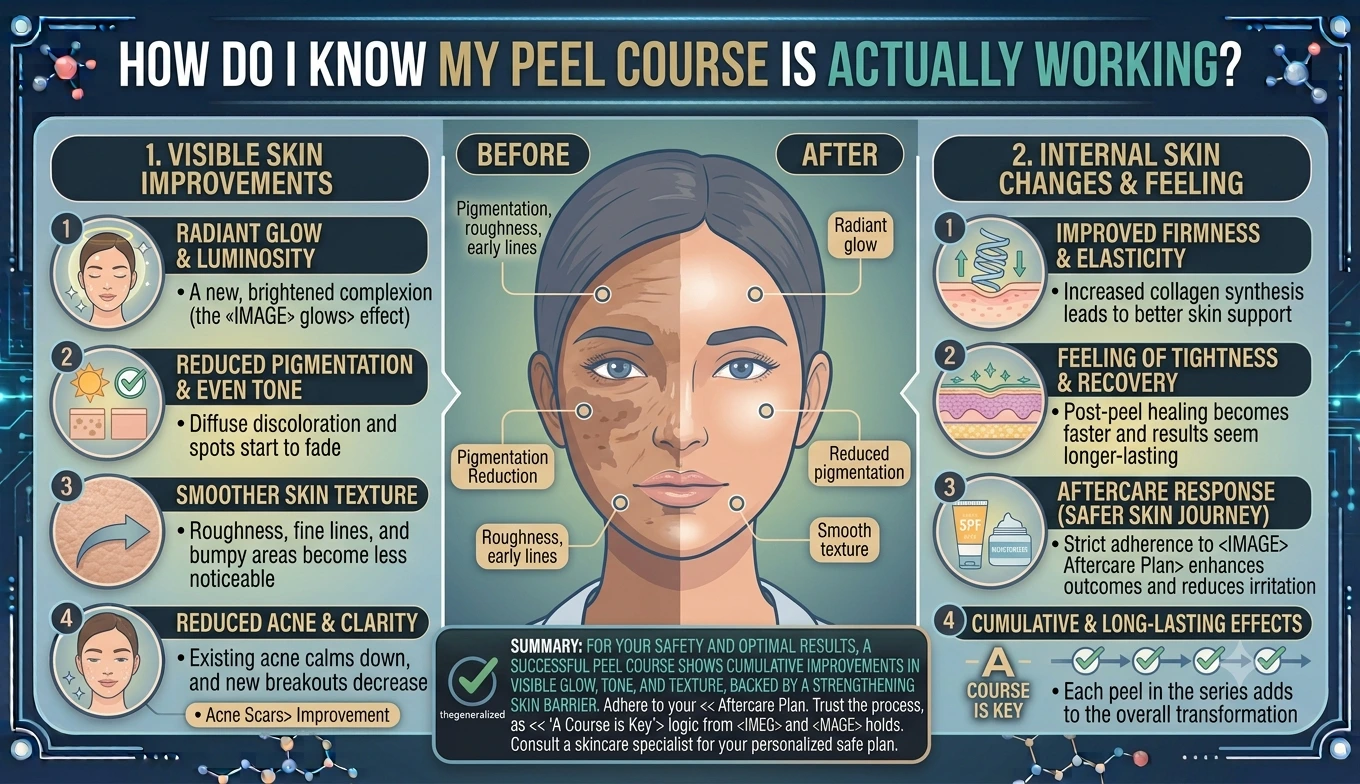
Knowing if your resurfacing course is working requires observing subtle, progressive shifts in skin texture, radiance, and overall tone across multiple sessions. You know your course is progressing effectively when you notice predictable post-treatment shedding, followed by smoother tactile texture, refined pore appearance, and a brighter complexion within two to three weeks of beginning treatment. When utilizing the Trexyne Peel Professional Algae Resurfacing Treatment
, these physical indicators stem from marine spicules creating controlled micro-channels that accelerate cellular turnover through a pure mechanical mechanism. Tracking these cumulative milestones helps aesthetic professionals and clients confirm that the skin barrier is renewing safely and effectively.
Defining Realistic Progression in a Resurfacing Course
Evaluating treatment success requires moving away from the idea of overnight transformation and focusing on cumulative cellular progression. Skin renewal is a physiological journey that unfolds across several weeks as new epidermal cells form and migrate toward the surface.
Visual Benchmarks vs Sub-Epidermal Changes
Clients often expect dramatic visual shedding immediately after their initial appointment. However, early cellular activation occurs deep within the stratum basale before surface changes become visible. During the initial sessions, micro-structural stimulation prompts the lower epidermal layers to increase cell turnover. This means that even if surface shedding appears mild after session one, the biological repair mechanism is actively underway beneath the skin.
Why Cumulative Stimulation Yields Superior Results
A course of treatments relies on additive momentum. Each professional application builds upon the renewal triggered by the previous appointment. Spacing sessions across a structured schedule allows the skin to repair its natural barrier while maintaining consistent cellular stimulation. This progressive approach ensures long-term textural refinement, improved elasticity, and a stable complexion without overwhelming the delicate cutaneous environment.
Early Physical Signs That Your Resurfacing Is Progressing
In the initial days following a professional application, the skin provides immediate feedback through physical sensations and predictable surface changes. Recognizing these signals helps confirm that the treatment has been administered correctly.
The Micro-Channel Activation Sensation
During and immediately after application, clients typically feel a distinct warming and light pricking feeling when touching the skin. This unique tactile feedback indicates that microscopic marine spicules have embedded within the upper epidermal layers. These natural micro-structures remain active within the tissue for twenty-four to seventy-two hours, continuously encouraging localized circulation and signaling the skin to initiate its self-repair response.
Predictable Post-Session Desquamation Patterns
Between day three and day six post-treatment, the skin begins its natural desquamation phase. Unlike harsh surface stripping, this shedding manifests as light to moderate flaking across the treated area. This visual shedding confirms that older, compacted corneocytes are detaching to make room for fresh epidermal tissue. By day seven, this shedding resolves naturally, revealing a visibly refreshed and smoother surface.
Mid-Course Texture and Radiance Improvements
As you progress into the second and third sessions of your resurfacing journey, visual and tactile improvements become increasingly apparent during daily mirror checks and routine cleansing.
Smoothing Rough Surface Topography
One of the earliest signs that your course is working is a noticeable change in surface smoothness. Rough patches, dry areas, and minor textural bumps begin to soften as dead skin accumulation diminishes. Touch-tests reveal a silkier, more uniform surface that reflects ambient light more evenly, resulting in a healthy, natural radiance even without decorative cosmetics.
Refining Pore Appearance and Sebum Balance
Excess sebum and dead skin debris often widen pore openings and create a sluggish, dull complexion. Mechanical spicule action helps clear surface buildup around follicular ostia, allowing pores to appear tighter and less conspicuous. Over a multi-session protocol, this process supports balanced oil distribution, reducing localized congestion and promoting a cleaner, more refined skin canvas. Practitioners can explore our complete range of professional resurfacing formulations on the official Trexyne shop page
.
Assessing Structural Firmness and Tone Clarity
Further into a complete treatment plan, the cumulative effects of mechanical cellular encouragement extend beyond basic surface exfoliation to address stubborn tone irregularities and surface vitality.
Softening the Appearance of Hyperpigmentation Marks
Uneven skin tone caused by sun exposure, environmental stressors, or past breakout marks resides within upper epidermal layers. As new, unblemished cells move continuously toward the surface through regular resurfacing sessions, hyperpigmented areas gradually disperse and lighten. This steady cell replacement leads to a more cohesive, uniform skin tone across the entire face.
Supporting Skin Resilience and Elasticity
A successful resurfacing course encourages the skin to maintain optimal density and firmness. By stimulating natural cell renewal cycles without chemical stress, the cutaneous architecture remains robust and resilient. Over time, clients notice improved skin bounce, enhanced firmness, and a reduction in the tired, lax appearance associated with sluggish cellular turnover.
The Role of Marine Spicules in Cumulative Cell Renewal
Understanding the underlying science behind botanical resurfacing helps clarify why mechanical stimulation produces such reliable, progressive skin improvements across a full course of care.
Physical Stimulation of the Basal Layer
The Trexyne Peel
utilizes micronized marine-algae spicules derived from natural marine sources. When worked into the skin by a trained aesthetic practitioner, these delicate, needle-like structures penetrate vertically into the upper epidermal layers. This physical insertion creates thousands of microscopic channels that stimulate localized micro-circulation and signal the basal layer to generate fresh keratinocytes.
Accelerating Desquamation Without Chemical Disruption
Traditional chemical resurfacing relies on lower pH formulations to dissolve the intercellular bonds holding dead cells together. In contrast, marine spicules initiate an organic renewal response from within. The physical presence of the spicules prompts the tissue to push old cells upward and outward through natural biological desquamation. This mechanical action avoids systemic chemical penetration, preserves the natural acid mantle, and yields a predictable, highly controllable recovery cycle.
How Stabilised Vitamin E Accelerates Observable Recovery
Achieving optimal results from a professional resurfacing course requires balancing cellular stimulation with immediate recovery support. Fortifying the skin barrier during every session ensures steady, uninterrupted progress.
Fortifying the Epidermal Barrier During Active Phases
The Trexyne Peel integrates stabilised Vitamin E, also known as tocopherol, alongside its marine spicule matrix. Tocopherol is a vital antioxidant that supports lipid membrane stability within the stratum corneum. Applying stabilised Vitamin E directly during mechanical stimulation helps fortify the natural skin barrier against moisture loss, ensuring that newly exposed tissue remains protected and comfortable throughout the renewal cycle.
Sustaining Hydration and Soothing Sensitised Tissue
Mechanical resurfacing temporarily increases transepidermal water movement as old cells loosen. Stabilised Vitamin E provides immediate lipid replenishment, soothing initial warmth and maintaining optimal hydration levels within the tissue. This supportive ingredient prevents excessive dryness during the flaking phase, allowing clients to experience smooth, comfortable recovery without prolonged downtime or unexpected irritation.
Protocol Tier Progression and Adapting Intensity
A professional resurfacing course should never remain completely static. Aesthetic practitioners adjust application parameters as the client’s skin adapts and builds greater tolerance.
Evaluating Response Between Clinic Sessions
Before initiating a subsequent session, your aesthetic practitioner performs a thorough skin assessment. They evaluate how quickly your barrier recovered after the previous treatment, the duration of your shedding phase, and the current baseline hydration of your skin. This evaluation confirms whether your skin is ready for higher intensity or if a maintenance approach is more appropriate.
Tailoring Application Parameters to Individual Needs
Trexyne Peel features a flexible, tiered protocol system that allows professionals to customize treatment intensity. Practitioners adjust massage pressure, application duration, and formulation density based on skin thickness, sensitivity history, and specific aesthetic goals. A client might start with a Level 1 protocol to gently introduce the skin to spicule stimulation, before advancing to a Level 2 or Level 3 protocol in later appointments to address deeper textural concerns. Clinic owners and practitioners seeking technical advice on protocol selection can connect with our aesthetic team via the official Trexyne contact page
.
Differentiating Healthy Progress from Barrier Over-Stimulation
Monitoring your skin during a resurfacing course requires distinguishing between productive cellular renewal and signs that the skin barrier is becoming overwhelmed.
Key Indicators of Balanced Cellular Renewal
Healthy progression feels structured and predictable. You should expect mild redness for twenty-four to forty-eight hours, followed by gentle, manageable shedding that concludes by day seven. Between sessions, the skin should feel comfortable, supple, and capable of retaining moisture effectively. Makeup should apply smoothly once shedding finishes, and baseline skin sensitivity should return to normal levels within a week of your appointment.
Recognizing When the Skin Barrier Requires Rest
If you experience persistent erythema that extends past three days, continuous stinging when applying basic hydrating creams, or a tight, artificially shiny surface without oiliness, your barrier may be over-stimulated. In such cases, your practitioner will extend the interval between sessions, focus on barrier repair, and temporarily lower the protocol tier to give the stratum corneum adequate time to restore its structural lipids.
Maximising Treatment Efficacy with Professional Guidance
Achieving the best possible outcomes from a resurfacing course depends on strong collaboration between the client and their aesthetic practitioner, backed by clinical tracking methods.
Practitioner Assessment and Photographic Tracking
Professional clinics utilize standardized lighting and high-resolution photography to document skin progress before every session. Because daily mirror checks make gradual changes difficult to perceive, side-by-side photographic comparisons provide clear visual proof of improving texture, evening tone, and refined pore structure across your multi-week journey.
Supporting Clinic Results with Proper Home Aftercare
What you apply to your skin at home directly influences how effectively your treatment course progresses. During active recovery days, clients must use mild, non-exfoliating cleansers, rich lipid-replenishing moisturizers, and strict broad-spectrum sun protection. Avoiding manual picking during the shedding phase prevents localized raw areas and ensures that fresh skin emerges smoothly. To explore our brand ethos and training standards for verified clinics, visit the main Trexyne homepage
.
Conclusion
Knowing whether your resurfacing course is working comes down to recognizing the steady, cumulative signs of cellular renewal over several weeks. Positive indicators include predictable post-treatment shedding, refined surface texture, enhanced clarity, and improved tone balance after every completed session. By utilizing the non-chemical, spicule-based mechanism of the Trexyne Peel Professional Algae Resurfacing Treatment, aesthetic practitioners deliver controlled mechanical stimulation supported by the soothing benefits of stabilised Vitamin E. When combined with thorough practitioner assessments, flexible protocol progression, and dedicated home aftercare, a complete treatment course provides a safe, predictable path toward a brighter, smoother, and more radiant complexion.
Frequently Asked Questions
Q: How many sessions does it usually take to see clear results from a resurfacing course?
Most clients notice an initial improvement in surface smoothness and radiance after their very first session. However, significant improvements in deeper texture and tone clarity generally become evident after completing three to four structured sessions spaced appropriately apart.
Q: Is it normal if my skin does not peel heavily after every single treatment session?
Yes, heavy peeling is not the only indicator of a successful treatment. Cellular renewal and micro-channel stimulation occur beneath the surface regardless of visible shedding, and skin often sheds more discreetly as surface dead cell buildup decreases in later sessions.
Q: How does a mechanical algae peel measure progress differently from chemical treatments?
A mechanical algae peel relies on microscopic spicules to physically trigger cellular movement from within the basal layer, creating a predictable desquamation timeline. Unlike chemical options that dissolve surface proteins, progress is driven by internal cell turnover without altering skin pH.
Q: What should I do if my skin feels excessively dry during the second week of my course?
If dryness persists into the second week, focus on applying rich lipid-replenishing moisturizers and gentle hydrating serums. Inform your aesthetic practitioner before your next appointment so they can adjust your protocol tier or extend your rest interval.
Q: Can I purchase Trexyne Peel vials to continue my treatment course at home?
No, Trexyne Peel is strictly a professional-only product sold exclusively to verified clinics and trained aesthetic practitioners. It requires specialized clinical assessment and technique to apply safely and effectively.
Q: Why are baseline photographs important during a multi-session resurfacing course?
Baseline photographs capture subtle, progressive changes in skin texture, pore refinement, and tone evenness that develop gradually. Comparing photos taken before session one with those taken before session four provides clear, objective evidence of your skin’s transformation.