Does Trexyne Peel Have Any Downtime?
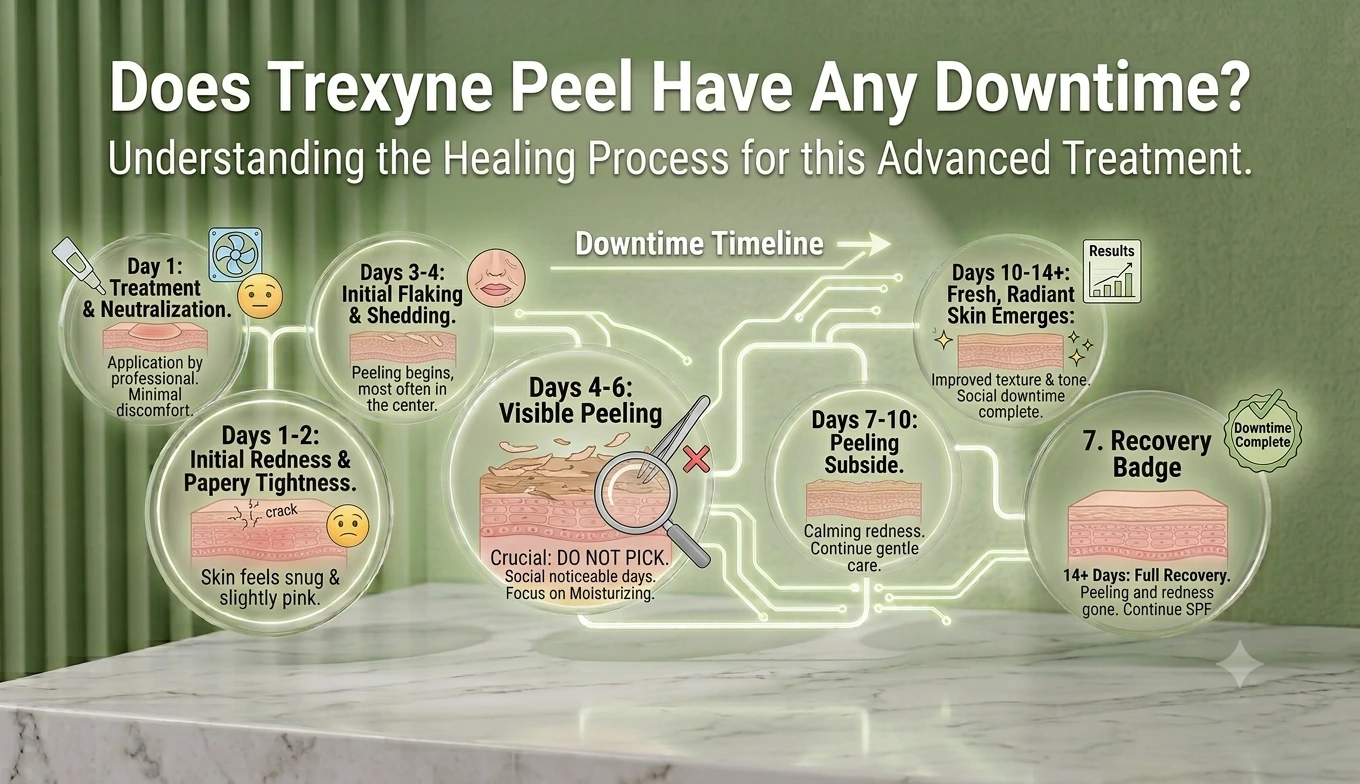
If you are researching resurfacing treatments for your clinic or considering one as a client, downtime is usually the first question that comes up. The short answer is that Trexyne Peel is designed around predictable, manageable downtime rather than the extended recovery associated with more aggressive resurfacing options. Because it works through a mechanical mechanism using marine-algae spicules rather than chemical exfoliants, practitioners can adjust intensity to suit the skin type and expectations of each client. This makes it a flexible option for clinics that want consistent results without long recovery windows. You can view full product details on the Trexyne Peel product page to understand how the tiered protocol works in practice.
What “Downtime” Actually Means in Aesthetic Treatments
Downtime refers to the period after a treatment when the skin is visibly recovering and a client may prefer to avoid public-facing commitments. This can include redness, flaking, sensitivity, or a general “just had a treatment” appearance. The length and intensity of downtime depend heavily on how a resurfacing treatment works.
Why Downtime Varies So Much Between Treatments
Treatments that work by triggering deeper penetration into the skin often carry longer and less predictable recovery periods. Treatments built around controlled, superficial mechanical action tend to offer a more consistent recovery pattern, since the practitioner can calibrate the intensity of the session more precisely.
How Trexyne Peel’s Mechanism Affects Recovery Time
Trexyne Peel is built around marine-algae spicules, which create controlled micro-channels in the skin’s surface without relying on chemical exfoliants. This mechanical approach means the practitioner has direct control over intensity, session by session. Because there is no chemical exfoliation involved, the treatment avoids the type of unpredictable penetration that can sometimes extend recovery in other resurfacing approaches.
The addition of stabilised Vitamin E is also relevant here. This ingredient supports the skin’s recovery phase from the very first application, which can contribute to a smoother post-treatment experience for the client.
The Tiered Protocol Explained
One of the defining features of Trexyne Peel is its tiered protocol. Rather than offering a single fixed intensity, the treatment allows practitioners to match the level of the peel to the client’s skin type and their downtime expectations.
Lower Intensity Sessions
For clients with sensitive skin, or those who need to return to work or social commitments quickly, a lower intensity setting can be selected. This approach is often used for clients who are new to resurfacing treatments and want to gauge how their skin responds before progressing further.
Higher Intensity Sessions
For clients with more resilient skin, or those working towards a specific resurfacing goal over a course of treatments, a higher intensity setting may be appropriate. This is typically planned in advance so the client understands what to expect in the days following the session.
This flexibility is one of the reasons practitioners can offer Trexyne Peel to a broad range of clients rather than a narrow subset of skin types. You can browse the full range of available options on the Trexyne shop page.
What Clients Can Typically Expect Immediately After Treatment
Immediately after a Trexyne Peel session, clients may notice mild redness or a warm sensation in the treated area. This is a normal response to the mechanical resurfacing process and typically settles within a short period. Because the treatment does not rely on chemical exfoliation, clients are not usually dealing with the type of prolonged chemical-related irritation that can occur with other approaches.
Skin Sensation in the First 24 Hours
Some clients describe their skin as feeling slightly tighter or more textured in the first day following treatment. This is generally associated with the skin’s natural renewal response and tends to ease as the recovery phase progresses.
Comparing Predictable Downtime to Unpredictable Recovery
For clinics, one of the most valuable aspects of a treatment protocol is predictability. When downtime is unpredictable, it becomes harder to plan client schedules, set expectations, and maintain client satisfaction. A tiered, mechanical approach like the one used in Trexyne Peel allows practitioners to give clients a realistic picture of what to expect before they even book.
This is particularly useful for clients who are balancing treatments around work commitments, events, or other time-sensitive plans. Being able to say with confidence “this is what you should expect over the next few days” builds trust between practitioner and client.
How Skin Type Influences Recovery Time
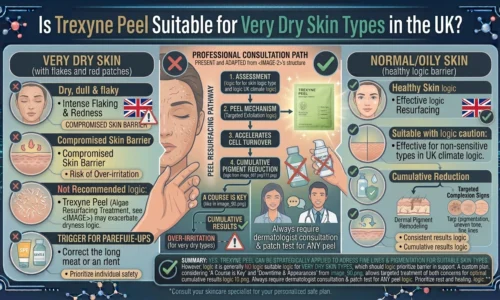
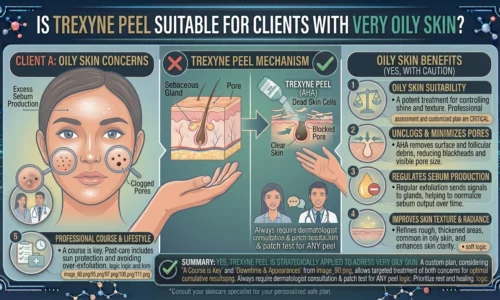
Not all skin responds to resurfacing treatments in the same way. Oilier skin types may recover more quickly from a mechanical resurfacing session, while drier or more reactive skin types may need a slightly longer settling period. This is why the consultation stage before any Trexyne Peel treatment is so important. A thorough skin assessment allows the practitioner to select the most appropriate tier of the protocol for that individual.
Why Consultation Matters Before Every Session
Every client’s skin history, current skincare routine, and treatment goals should be reviewed before a Trexyne Peel session. This helps the practitioner anticipate how the skin is likely to respond and set the intensity accordingly. If you have questions about building this into your clinic’s consultation process, the team behind Trexyne is available via the contact page.
Supporting the Skin After Treatment
Downtime is not only about waiting for redness to settle. It is also an opportunity to support the skin’s natural renewal process. Because Trexyne Peel is infused with stabilised Vitamin E, the treatment is designed to support this recovery phase from the outset. Practitioners can reinforce this with appropriate aftercare guidance tailored to the client’s skin type and the intensity level used during the session.
Practical Aftercare Considerations
Aftercare advice should always be tailored by the practitioner, but general principles include protecting the skin from unnecessary environmental stress and allowing the renewal process to progress without interference. Clear aftercare guidance also helps clients feel confident and informed, which supports overall satisfaction with the treatment.
Setting Realistic Client Expectations
Clear communication before treatment is one of the most important parts of managing downtime successfully. Clients who understand that Trexyne Peel uses a tiered, mechanical approach are better equipped to choose the intensity level that suits their lifestyle. This also reduces the likelihood of clients being surprised by their skin’s appearance in the days following treatment.
Practitioners who take the time to explain how the marine-algae spicule mechanism works, and how it differs from other resurfacing approaches, often find that clients feel more confident booking a course of treatments. Explaining the tiered protocol clearly is one of the simplest ways to build long-term trust.
Why Predictable Downtime Matters for Repeat Treatments
Resurfacing is rarely a single-session process. Most clients benefit from a course of treatments over time, whether that means the 10 or 20 peel options available through Trexyne. Predictable downtime makes it far easier to plan this course of treatments around a client’s schedule. When each session’s recovery period is broadly similar and well understood, clients are more likely to stay consistent with their treatment plan, which can support better overall results over time.
Clinics offering Trexyne Peel can use this predictability as part of their client communication, helping people plan a realistic treatment calendar from the very first consultation. For more information on how the brand approaches professional-only treatments, visit the Trexyne homepage.
Conclusion
Downtime is one of the most important factors clients consider before booking a resurfacing treatment, and it is often influenced by how the treatment works beneath the surface. Trexyne Peel’s mechanical mechanism, built around marine-algae spicules and stabilised Vitamin E, allows practitioners to offer a tiered protocol that can be matched to individual skin types and downtime expectations. This predictability supports both client confidence and a smoother recovery experience. For clinics and practitioners looking for a professional-only treatment that balances effective resurfacing with manageable recovery, Trexyne Peel offers a considered, controlled approach that may help support a brighter, more even-looking complexion over a course of sessions.
FAQ
Q: How long does downtime last after a Trexyne Peel treatment?
Downtime varies depending on the intensity tier selected during the session. Lower intensity sessions typically involve a shorter, milder recovery period, while higher intensity sessions may require a few more days for the skin to settle.
Q: Is Trexyne Peel suitable for clients with sensitive skin?
The tiered protocol allows practitioners to select a lower intensity setting for clients with sensitive skin, making the treatment adaptable to a range of skin types following a proper consultation.
Q: Does Trexyne Peel use chemical exfoliation to resurface the skin?
No. Trexyne Peel works through a purely mechanical mechanism using marine-algae spicules to create controlled micro-channels, without the use of acids or chemical exfoliants.
Q: Can I have a Trexyne Peel before an important event?
This depends on the intensity level chosen. Practitioners can select a lower tier setting to reduce visible downtime, which may suit clients preparing for an upcoming event, though timing should always be discussed during consultation.
Q: How many Trexyne Peel sessions are usually recommended?
This is determined by the practitioner based on the client’s skin and goals. Trexyne Peel is available in 1, 10, and 20 peel options to support a full treatment course over time.
Q: What can support my skin’s recovery after a Trexyne Peel session?
The treatment is infused with stabilised Vitamin E, which is designed to support the skin’s recovery phase from the first application. A practitioner can also recommend suitable aftercare based on the intensity used.
Q: Can I buy Trexyne Peel for use at home?
No. Trexyne Peel is sold strictly to verified aesthetic practitioners and clinics and is intended exclusively for professional use.