What Happens to Skin Immediately After a Peel Treatment
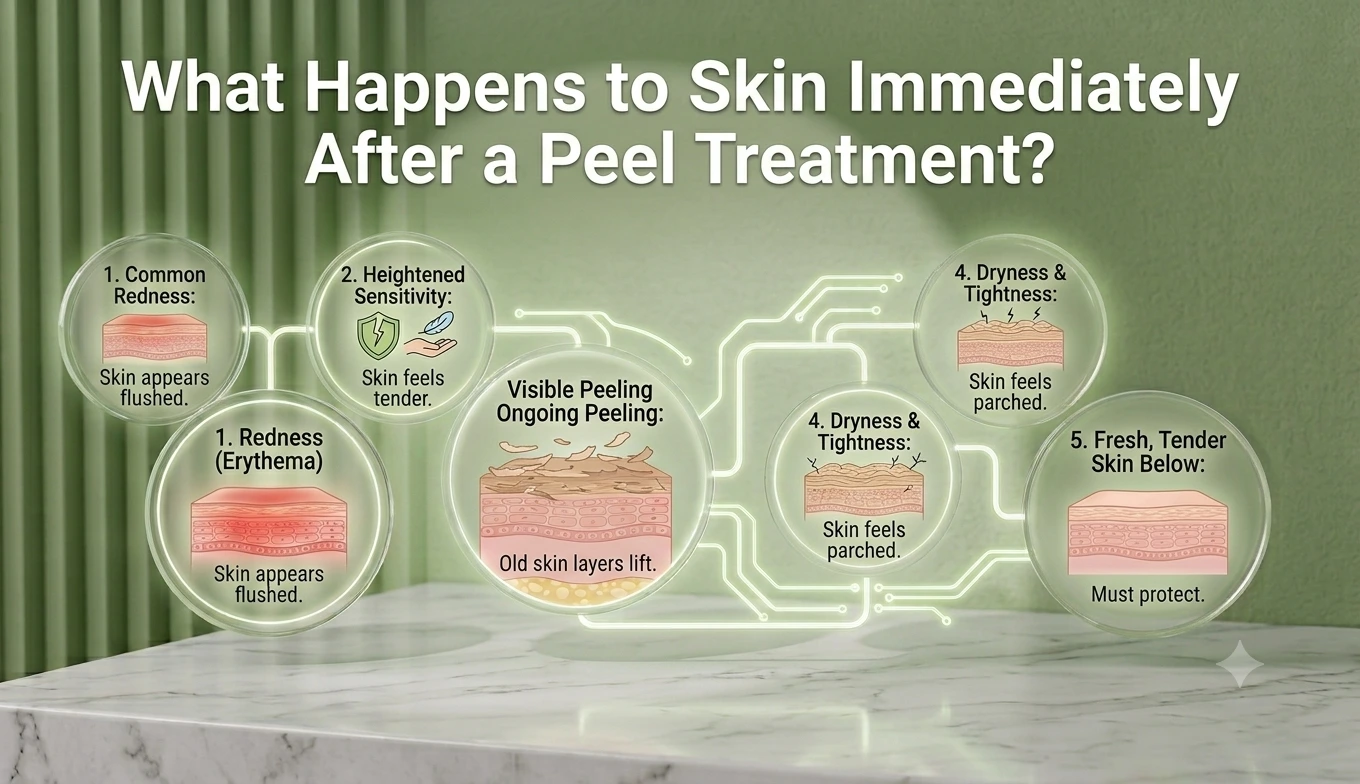
Skin goes through a predictable sequence of changes in the hours and days after a peel treatment. Redness, mild warmth, tightness, and light flaking are all common, and how pronounced they are depends on the type of peel used and the client’s individual skin. Mechanical, botanical treatments like the Trexyne Peel tend to produce a gentler, more controlled response than harsher chemical exfoliants, which makes understanding the post-peel timeline useful for both practitioners and clients. Knowing what to expect at each stage helps set realistic expectations, supports better aftercare decisions, and reduces the chance of a client panicking over changes that are actually a normal part of the skin’s renewal process.
Why the Skin Reacts After a Peel
Any resurfacing treatment works by encouraging the skin to shed its outer layers and stimulate renewal underneath. This process, whether triggered chemically or mechanically, causes a temporary disruption to the skin’s surface. The body responds with inflammation, increased blood flow, and a shift in how the skin barrier functions for a short period.
With a mechanical approach like Trexyne, marine-algae spicules create controlled micro-channels in the skin without relying on chemical exfoliants. This means the initial reaction is often more predictable and easier to manage, since practitioners can adjust the intensity of the treatment to suit the client’s skin type and downtime expectations.
The First Few Hours: Redness and Warmth
Immediately after a peel, most clients notice redness across the treated area, similar in appearance to mild sunburn. This is a normal inflammatory response and usually peaks within the first hour or two before beginning to settle.
What Causes the Redness
Redness occurs because the skin’s blood vessels dilate to bring nutrients and immune cells to the treated area. This supports the early stages of the renewal process. With a tiered protocol, practitioners can calibrate treatment intensity, which often means less dramatic redness compared to more aggressive resurfacing options.
How Long It Typically Lasts
For most clients, initial redness fades within a few hours to a day. Some individuals with more sensitive skin may notice it lingering slightly longer, particularly if a higher intensity setting was used.
Tightness and Sensitivity in the First 24 Hours
A feeling of tightness is common in the first day following treatment. This happens because the skin’s surface has been disrupted and the natural oil and moisture balance is temporarily altered.
Sensitivity to touch, temperature changes, and skincare products is also typical during this window. Clients often describe their skin as feeling more reactive than usual, which is why practitioners should always provide clear same-day aftercare guidance before the client leaves the clinic.
The Role of Vitamin E in Early Recovery
Stabilised Vitamin E, included in the Trexyne formulation, is designed to support the skin’s recovery phase from the very first application. Tocopherol is a well-recognised ingredient for its role in supporting skin that has undergone stress or disruption, making it a sensible inclusion in a treatment designed around controlled micro-channelling.
This is one of the reasons practitioners choose Trexyne when they want a resurfacing option that pairs a mechanical action with ingredients that support the skin during its recovery window, rather than leaving the skin to recover unaided.
Days One to Three: Flaking and Visible Renewal
By the second or third day, many clients begin to notice light flaking or a slightly rougher texture as the outer layers of skin prepare to shed. This is a visible sign that the renewal process is underway.
Managing Flaking Without Picking
Clients should be advised not to pick or peel the skin manually, even when flaking becomes noticeable. Manual removal can lead to uneven results and, in some cases, irritation or marking. Gentle cleansing and appropriate moisturisation are the better approach during this stage.
Why Downtime Varies Between Clients
Downtime is rarely identical from one person to the next. Skin type, treatment intensity, and how well aftercare instructions are followed all play a role. Because Trexyne is designed with a tiered protocol, practitioners can match intensity levels to what a client’s skin and schedule can realistically accommodate, which helps keep downtime more predictable across a client base.
What Should Not Happen After a Peel
While some redness, tightness, and flaking are expected, certain reactions fall outside the normal range and should prompt a follow-up with the treating practitioner. These include prolonged swelling, blistering, or intense discomfort that does not settle within the expected timeframe.
Because Trexyne works through a mechanical mechanism rather than chemical exfoliation, the range of typical reactions tends to sit within a narrower, more predictable band. This is one of the reasons practitioners appreciate having a resurfacing option that avoids the unpredictability sometimes associated with more aggressive chemical approaches.
The Importance of Aftercare in the First Week
Aftercare in the days following a peel treatment has a direct impact on how comfortably the skin moves through its renewal cycle. Gentle, fragrance-free products, daily SPF, and avoiding harsh actives are standard recommendations during this period.
Sun Protection Is Non-Negotiable
Freshly resurfaced skin is more vulnerable to UV exposure. Practitioners should stress the importance of daily sun protection, even on overcast days, to help protect the results of the treatment and support even-looking skin tone as recovery progresses.
Product Choices During Recovery
Clients should avoid introducing new active ingredients, such as strong retinoids or exfoliating acids, until their skin has fully settled. Simplicity is key. A gentle cleanser, a supportive moisturiser, and SPF are usually sufficient during the first week.
How Trexyne Differs From Traditional Peel Recovery
Many clients associate peel treatments with unpredictable downtime, based on experiences with more intensive chemical options. Trexyne offers an alternative built around a mechanical mechanism using marine-algae spicules, avoiding chemical exfoliants entirely.
This approach allows practitioners to offer clients a more predictable recovery experience, with a tiered protocol that lets treatment intensity be matched to individual skin type and client expectations. For practitioners exploring options for their treatment menu, the full range is available to view via the Trexyne shop.
Setting Client Expectations Before Treatment
Clear communication before the treatment even begins makes a significant difference to how clients experience the days that follow. Explaining the likely timeline, from initial redness through to flaking and renewal, helps clients feel prepared rather than alarmed.
Practitioners who take the time to talk through the process, and who select an appropriate intensity level for each individual, tend to see better client satisfaction and stronger repeat bookings. This is particularly true for clients who are newer to professional resurfacing treatments and may not know what to expect.
When to Book a Follow-Up or Repeat Treatment
Most practitioners recommend a follow-up check-in within a week or two of treatment to assess how the skin has responded. This allows any necessary adjustments to be made before planning a repeat session.
Because Trexyne is sold strictly to verified practitioners and clinics, results and protocols can be discussed directly with the brand where needed. Practitioners with questions about tailoring a treatment plan can reach out via the Trexyne contact page for further guidance.
Conclusion
The days following a peel treatment follow a fairly predictable pattern of redness, tightness, sensitivity, and light flaking as the skin moves through its natural renewal process. How pronounced these changes are depends on the treatment method, the intensity used, and how well aftercare guidance is followed.
Trexyne Peel offers practitioners a mechanical, botanical approach built around marine-algae spicules and stabilised Vitamin E, giving clients a more predictable recovery window without the use of chemical exfoliants. With a tiered protocol that allows intensity to be matched to individual skin needs, Trexyne can support a smoother path towards a brighter, more even-looking complexion. Practitioners interested in learning more can visit the Trexyne homepage to explore the full brand range.
FAQs
Q: How long does redness last after a peel treatment?
Redness typically peaks within the first hour or two and settles within a day for most clients. The exact duration depends on skin sensitivity and the intensity of the treatment used.
Q: Is flaking normal after a botanical peel like Trexyne?
Yes. Light flaking around days two to three is a normal sign that the outer layers of skin are shedding as part of the renewal process. Picking or peeling the skin manually should always be avoided.
Q: Can I wear makeup immediately after a peel treatment?
Most practitioners advise waiting until the initial redness and sensitivity have settled before applying makeup, though this can vary depending on the individual and the treatment intensity used.
Q: Does Trexyne Peel cause the same downtime as a chemical peel?
No. Trexyne works through a mechanical mechanism using marine-algae spicules rather than chemical exfoliants, which tends to result in a more predictable and controlled recovery pattern.
Q: What should I use on my skin in the days after a peel?
A gentle, fragrance-free cleanser, a supportive moisturiser, and daily SPF are usually sufficient. New active ingredients should be avoided until the skin has fully settled.
Q: When should I be concerned about my skin’s reaction after a peel?
Prolonged swelling, blistering, or discomfort that does not improve within the expected timeframe should be discussed with the treating practitioner promptly.
Q: How soon can I book a follow-up peel after my first Trexyne treatment?
This depends on how the skin has responded to the initial treatment. Many practitioners recommend a check-in appointment within one to two weeks before planning the next session.