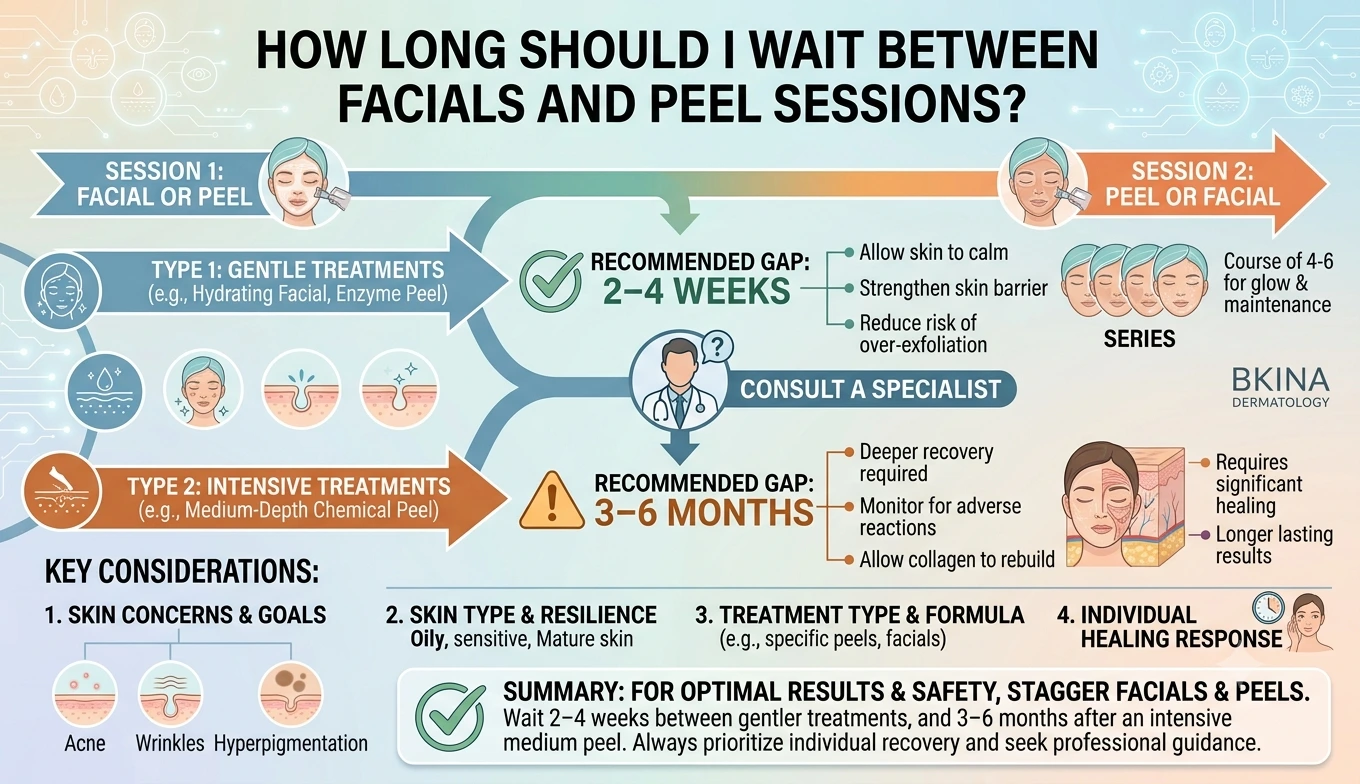
How Long Should I Wait Between Facials and Peel Sessions?
Determining the ideal gap between professional skincare treatments is fundamental to achieving optimal skin health and radiant aesthetic results. As a general clinical guideline, clients should wait between two to four weeks between standard facials and professional resurfacing peel sessions. This interval allows the epidermal barrier to fully recover and respects the natural cellular turnover cycle. When incorporating advanced mechanical resurfacing, such as the Trexyne Peel Professional Algae Resurfacing Treatment
, establishing an appropriate schedule ensures maximum efficacy while maintaining skin integrity and preventing over-exfoliation across different skin types.
Understanding Skin Cell Turnover and Regeneration Cycles
To establish a safe and effective treatment schedule, aesthetic practitioners must first evaluate the physiological mechanics of skin cell renewal. The human skin operates on a continuous cycle of desquamation and regeneration, which dictates how quickly skin tissue can adapt to resurfacing interventions.
The Epidermal Renewal Timeline
In a healthy young adult, the epidermal renewal process takes approximately 28 days. During this period, keratinocytes originate in the basal layer and progressively migrate upward through the spinous and granular layers until they flatten into dead corneocytes at the stratum corneum. As skin matures, this migration slows down significantly, often extending to 40 or 60 days. When applying professional treatments, practitioners aim to encourage this natural shedding process. However, performing treatments too close together interrupts the maturation phase, leaving the newly formed cells exposed before they develop proper structural integrity.
Why Barrier Recovery Matters Between Treatments
The stratum corneum serves as the primary line of defence against environmental pathogens, transepidermal water loss, and external irritants. Every resurfacing session temporarily alters this protective layer. Allowing adequate time between clinical appointments permits the intercellular lipid matrix to rebuild itself effectively. If subsequent sessions occur before barrier restoration completes, clients may experience persistent erythema, heightened sensitivity, and compromised skin function over time.
Timing Guidelines for Standard Facials vs Professional Peels
Different facial modalities target distinct layers of the skin and induce varying degrees of tissue response. Understanding how standard treatments interact with resurfacing procedures helps practitioners construct seamless treatment plans.
Hydrating and Maintenance Facials
Hydrating facials, lymphatic drainage treatments, and gentle non-exfoliating maintenance sessions primarily focus on boosting circulation, improving lymphatic flow, and enhancing moisture retention. A simple hydrating or soothing facial can typically be performed seven to ten days before a mechanical resurfacing session. Following a resurfacing session, clients should wait at least fourteen days before undergoing a basic hydrating facial, ensuring the initial skin shedding phase has fully concluded.
Deep Cleansing and Extraction Sessions
Deep cleansing treatments that involve manual extractions or gentle surface desquamation place mild mechanical stress on the follicle walls and surrounding skin. Practitioners should allow fourteen to twenty-one days between an intensive deep cleansing session and a professional resurfacing treatment. Combining intense extractions and resurfacing within a compressed timeframe can cause localized inflammation and unnecessary tissue trauma.
The Role of Mechanical Resurfacing in Treatment Scheduling
Mechanical resurfacing offers a unique advantage in aesthetic practice. Unlike chemical alternatives, pure botanical resurfacing relies on physical micro-structure interactions to trigger natural tissue refinement.
How Marine Spicules Differ from Traditional Exfoliants
The Trexyne Peel
utilizes microscopic marine-algae spicules derived from natural ocean sources. These spicules consist of delicate, needle-like botanical structures that penetrate the upper layers of the epidermis upon application. Unlike uniform granule scrubs that abrade the surface horizontally, marine spicules act vertically within the upper tissue layers. They gently stimulate cellular communication without dissolving skin proteins or disrupting systemic pH balance.
Controlled Micro-Channel Formation
When applied by a trained practitioner, marine-algae spicules create controlled micro-channels within the stratum corneum. This physical action stimulates the skin’s natural self-repair mechanism, prompting accelerated desquamation and enhanced micro-circulation. Because this physical mechanism relies strictly on mechanical action rather than chemical degradation, the skin’s recovery pathway remains predictable. The microscopic spicules naturally work their way out of the skin within forty-eight to seventy-two hours as new epidermal cells push upward, creating a clean, manageable timeframe for subsequent clinical sessions.
Tailoring Interval Times to Specific Skin Types and Conditions
A single fixed timeline does not suit every client. Clinical judgment must guide the scheduling process based on skin Fitzpatrick type, barrier strength, and primary skin concerns.
Sensitive and Reactive Skin Protocols
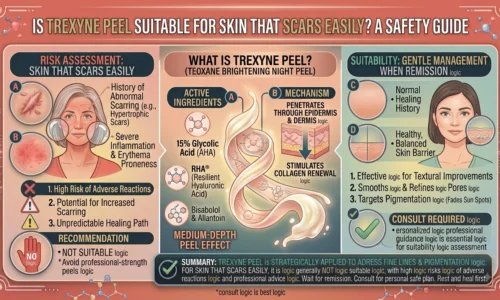
Clients with thin, delicate, or reactive skin require extended rest periods between clinical interventions. A minimum wait time of four to six weeks between sessions is strongly advised. Reactive skin often exhibits a delayed recovery response, so spacing sessions further apart provides ample opportunity for lipid synthesis and prevents chronic low-grade inflammation.
Oily, Congested, and Ageing Skin Considerations
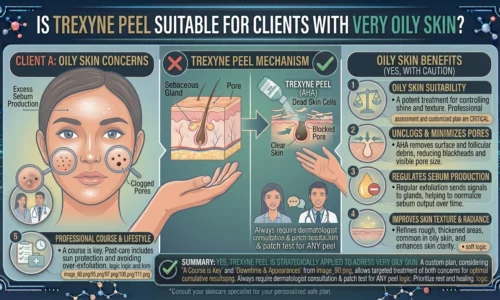
Thicker, seborrhoeic, or sun-damaged skin often displays a sluggish rate of natural exfoliation and can handle more frequent stimulation. Practitioners generally recommend a wait time of two to three weeks between lighter protocol sessions, or four full weeks for more intensive applications. Congested pores benefit from regular mechanical refinement to prevent sebum accumulation, while mature skin requires consistent cellular encouragement to improve overall surface smoothness and skin tone clarity. Practitioners looking to expand their treatment menu with versatile resurfacing options can explore the complete professional range on our Trexyne shop page
.
The Trexyne Peel Tiered Protocol and Interval Planning
To provide full control over treatment intensity, Trexyne Peel utilizes a structured tiered application method. This protocol enables aesthetic professionals to match massage duration, pressure, and formulation density to individual client needs.
Level 1 Maintenance and Light Resurfacing
Level 1 applications involve gentle, short-duration massage techniques designed to deliver subtle refining benefits with minimal visual peeling. This treatment objective is ideal for initial skin preparation, mild congestion, or seasonal refreshing. Sessions can be scheduled every two to three weeks, as downtime is limited to minimal surface redness lasting twenty-four to thirty-six hours followed by light flaking around day three or four.
Level 2 and Level 3 Advanced Protocols
Level 2 and Level 3 protocols utilize moderate to firm pressure and extended application times to embed a higher density of marine spicules deeper into the stratum corneum. These advanced protocols target deeper textural roughness, stubborn hyperpigmentation marks, and loss of skin vitality. They require a minimum wait time of four weeks between treatments due to moderate redness for forty-eight hours followed by active, visible shedding from days three through seven. Subsequent facial treatments or resurfacing sessions must not occur until shedding has entirely finished and full structural recovery is confirmed.
Signs Your Skin Barrier Needs More Time Between Sessions
Even with meticulous planning, individual lifestyle factors, climate changes, and stress levels can influence healing speed. Practitioners should educate clients on recognising signs of an overworked skin barrier.
Key Indicators of Over-Treatment
If a client schedules treatments too closely together, several distinct clinical signs may appear. Persistent erythema manifests as prolonged redness that lasts well past the expected forty-eight to seventy-two hour recovery window. The skin may also develop an excessive shine without oiliness, creating a tight, reflective appearance caused by an overly thinned stratum corneum. Clients often report heightened stinging or discomfort when applying basic, non-active hydrating creams, as well as flaking that exceeds normal parameters with patchy, raw areas where premature shedding has exposed immature epidermal cells.
Post-Treatment Care and Recovery Milestones
Clients should observe clear recovery milestones before undergoing any additional facial procedure. During days one and two, a sensation of mild warmth and tiny pricking feelings when touching the skin is normal, indicating marine spicules are actively stimulating the tissue. Through days three to five, light to moderate shedding begins as natural cell movement releases older surface cells, concluding by days six and seven when new skin appears smooth, refreshed, and clear. Finally, days eight through fourteen represent the barrier stabilization phase, where skin retains moisture effectively and exhibits normal sensitivity thresholds.
Integrating Stabilised Vitamin E into Post-Peel Recovery
Recovery is an active biological phase, not simply passive waiting. Incorporating targeted supportive nutrients during the post-resurfacing period accelerates skin comfort and fortifies the barrier.
Supporting Natural Lipid Barrier Repair
The Trexyne Peel formulation incorporates stabilised Vitamin E, known scientifically as tocopherol, alongside marine spicules. Tocopherol is a potent antioxidant naturally present in human sebum. When applied during resurfacing, stabilised Vitamin E helps neutralize free radicals generated during normal daily cellular activity, supports lipid membrane integrity within the stratum corneum, and provides immediate conditioning comfort to soothe the skin during the initial post-treatment hours.
Optimising Treatment Intervals with Proper Aftercare
By protecting newly revealed epidermal tissue with stabilised Vitamin E and simple lipid-replenishing aftercare, skin condition restores faster. A well-supported barrier enables clients to safely adhere to their scheduled three to four week treatment windows without requiring extended downtime periods. Practitioners seeking detailed technical guidance on integrating botanical resurfacing into their clinical practice can reach out through the official Trexyne contact page
.
Combining Facials and Peels into a Year-Round Aesthetic Strategy
A single treatment rarely delivers long-lasting transformation. To maintain skin radiance, practitioners should construct comprehensive annual treatment plans that balance active resurfacing with restful hydrating facials.
Seasonal Adjustments for Clinic Treatments
Environmental changes throughout the year influence barrier function and dictate treatment frequency. Cooler temperatures and indoor heating in autumn and winter reduce ambient humidity, often leaving skin dull and dry. Scheduling a series of three Trexyne Peel sessions spaced four weeks apart during autumn helps clear summer sun damage and smooths rough texture. Conversely, the higher UV radiation exposure in spring and summer requires a cautious approach, shifting the main focus toward gentle hydrating facials every four weeks, with mild Level 1 mechanical resurfacing scheduled every six weeks alongside rigorous sun protection protocols.
Long-Term Treatment Planning for Practitioners
When designing multi-month treatment pathways, alternating between active resurfacing and soothing care creates the most balanced outcomes. A practitioner might initiate a Level 1 or Level 2 Trexyne Peel in month one, followed by a three to four week rest period before administering a soothing and hydrating facial in month two. After another three to four week gap, the client can return for a Level 2 or Level 3 Trexyne Peel in month three, followed by a four-week recovery period leading into a maintenance and light therapy facial in month four. This alternating schedule prevents client skin fatigue, maintains enthusiasm, and ensures the skin barrier remains robust throughout the entire transformation journey. To learn more about our brand philosophy and professional training pathways, visit the main Trexyne homepage
.
Professional Consultation: Customising Schedules for Verified Clinics
Because Trexyne Peel is designed for use exclusively by trained aesthetic professionals, proper client consultation remains the cornerstone of safe application.
Assessing Client Readiness Before Resurfacing
Before initiating any mechanical resurfacing session, practitioners must conduct a thorough skin assessment. This includes reviewing the client’s current skincare routine to ensure no aggressive surface agents have been used within seven days, evaluating their history of recent facial treatments or aesthetic procedures, and accounting for overall lifestyle factors such as planned sun exposure, exercise habits, and daily hydration levels.
Practitioner Guidelines for Stacking Services Safely
If a client wishes to combine multiple aesthetic treatments, strict timing rules must be observed. Practitioners should wait at least fourteen days after cosmetic injectables before performing a mechanical resurfacing treatment to prevent localized swelling or product displacement. Similarly, a minimum of fourteen days must be allowed between facial hair removal or manual dermaplaning and a resurfacing session to avoid stripping the delicate skin barrier. However, low-level light therapy such as red or near-infrared LED can be safely applied immediately following a Trexyne Peel session to promote calm, comfortable skin recovery.
Conclusion
Determining how long to wait between facials and peel sessions comes down to respecting the skin’s natural regeneration timeline and understanding the specific mechanisms of your chosen treatments. For most clients, maintaining a two to four week gap between sessions strikes the ideal balance between encouraging rapid skin renewal and maintaining barrier health. By utilizing a non-chemical, spule-based mechanism, the Trexyne Peel Professional Algae Resurfacing Treatment offers aesthetic practitioners a controlled, predictable method to refine skin texture and brighten overall tone without unpredictable downtime. Proper client assessment, structured interval planning, and supportive post-peel care ensure optimal outcomes, leaving the complexion looking fresh, smooth, and evenly balanced year-round.
Frequently Asked Questions
Q: Can I get a standard hydrating facial one week after a Trexyne Peel?
It is recommended to wait at least fourteen days after a Trexyne Peel before booking a standard hydrating facial. This allows the mechanical shedding process to finish completely and ensures the barrier has recovered.
Q: How many days of downtime should clients expect between peel sessions?
Trexyne Peel offers a predictable downtime period. Clients usually experience mild redness for twenty-four to forty-eight hours, followed by light to moderate shedding from days three through six. Normal skin appearance is restored by day seven.
Q: Why is a mechanical algae spicule peel better for maintaining treatment intervals than acid peels?
Marine spicules work through a mechanical mechanism rather than chemical penetration. Because spicules physically trigger natural desquamation without altering skin pH or causing deep chemical burns, post-treatment recovery follows a clear, reliable timeline.
Q: How often can a practitioner perform a Level 3 Trexyne Peel protocol?
Advanced Level 3 protocols should be spaced at least four to six weeks apart. This extended gap gives deeper skin layers ample time to complete their renewal cycle and build structural strength.
Q: Is Trexyne Peel suitable for clients to buy and perform at home between clinic facials?
No. Trexyne Peel is strictly a professional-only product sold exclusively to verified clinics and trained aesthetic practitioners. It requires professional training to apply safely and effectively.
Q: What should a client do if their skin is still flaking when their next facial is scheduled?
If active flaking or skin sensitivity persists, the upcoming facial or peel session should be postponed by seven to ten days. Always wait until the skin barrier is completely calm before introducing new treatments.