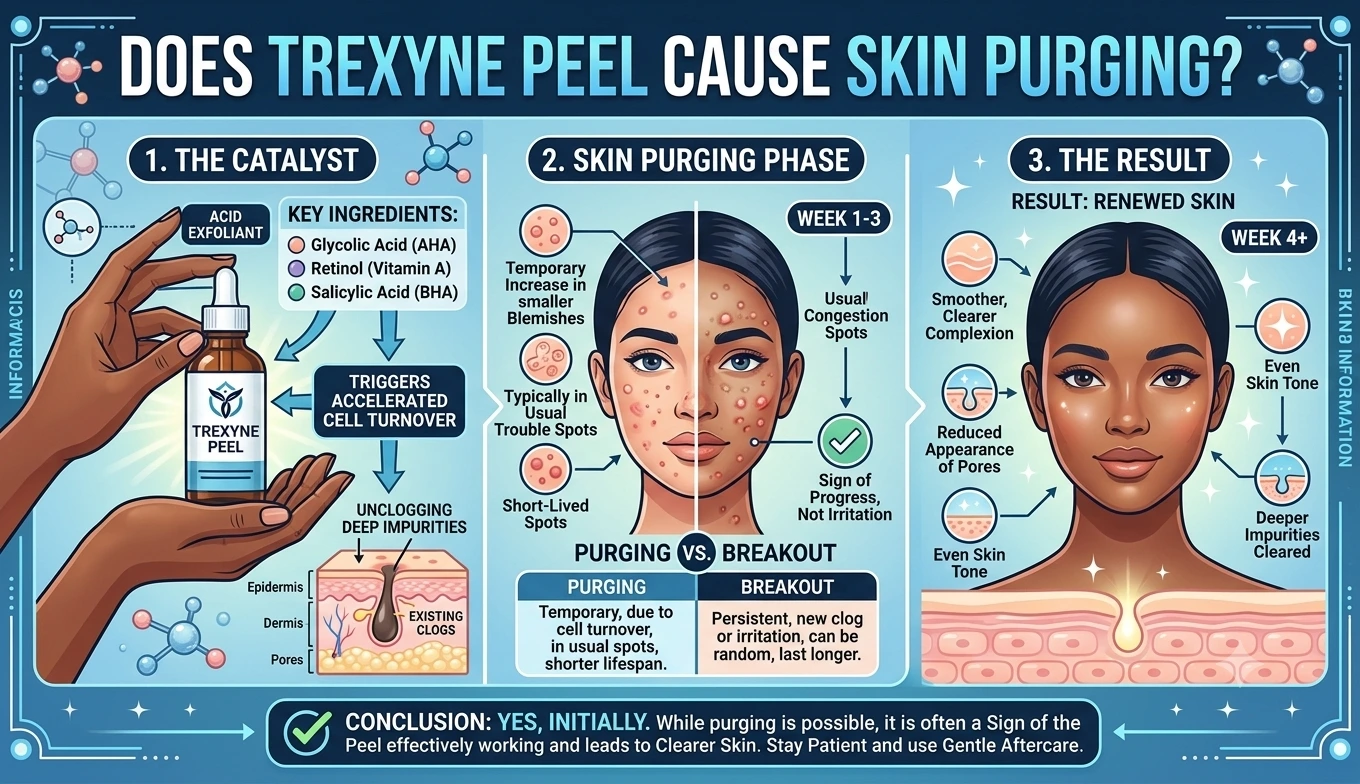
Does Trexyne Peel Cause Skin Purging?
Skin purging is one of the most misunderstood terms in professional skincare, and clients often ask about it before committing to a resurfacing treatment. The short answer is that Trexyne Peel is not associated with the type of purging seen with chemical exfoliants, because it works through a purely mechanical mechanism rather than any form of chemical exfoliation. Understanding why this distinction matters can help practitioners set accurate expectations and reassure clients before their first session.
The Trexyne Peel uses marine-algae spicules to create controlled micro-channels in the skin, supported by stabilised Vitamin E to assist the recovery phase. This approach is fundamentally different from chemical peels, which can sometimes trigger a purging response as they accelerate cell turnover at a deeper level. In this article, we will look at what purging actually means, why it happens with certain treatments, and what practitioners and clients can realistically expect from a mechanical botanical peel like Trexyne.
What Skin Purging Actually Means
Purging is a term used to describe a temporary flare of congestion, small breakouts, or textural changes that can follow certain skin treatments. It is typically linked to products or procedures that speed up cell turnover so quickly that debris already sitting beneath the skin’s surface is pushed up faster than usual.
This is most commonly associated with active chemical ingredients that penetrate into the skin and disrupt the bonds holding dead skin cells together. As turnover accelerates, existing microcomedones or blocked follicles can surface more quickly, giving the appearance of a breakout.
It is worth noting that true purging is different from an adverse reaction. Purging is generally short-lived and resolves as the skin adjusts, whereas an adverse reaction can involve prolonged irritation, redness, or discomfort that does not settle within a normal timeframe.
Why the Distinction Matters for Practitioners
Clients often use the word “purging” loosely to describe any post-treatment change in their skin. As a practitioner, being able to explain the mechanism behind a treatment helps clients understand whether what they are seeing is expected, and it protects your reputation when skin behaves differently to what they might have read online.
How Trexyne Peel’s Mechanical Mechanism Works
Trexyne Peel is built around marine-algae spicules that create controlled micro-channels in the skin’s surface. This is a mechanical action, not a chemical one. There are no acids involved and no chemical exfoliants breaking down cellular bonds beneath the surface.
Because the treatment does not rely on chemical penetration, it does not stimulate the same rapid, deep turnover process that can lead to classic purging. Instead, the mechanical resurfacing works at the surface level, encouraging renewal through physical exfoliation rather than chemical disruption.
Stabilised Vitamin E is infused throughout the treatment to support the skin’s recovery phase from the very first application. This is designed to help the skin settle after the mechanical resurfacing, rather than to intensify cellular turnover in the way some chemical actives do.
A Tiered, Predictable Protocol
One of the features of Trexyne Peel is its tiered protocol, which allows a practitioner to match treatment intensity to skin type and client expectation. This level of control is part of what makes the downtime associated with Trexyne Peel more predictable than treatments where the depth of action is harder to gauge precisely.
Why Purging Is Rare With a Mechanical Peel
Because purging is closely tied to chemical exfoliation accelerating turnover at depth, a treatment that works mechanically at the surface is far less likely to trigger that same response. Trexyne Peel’s marine-algae spicules create micro-channels without introducing chemical exfoliants into the skin, which means the biological trigger commonly associated with purging is simply not part of the mechanism.
This does not mean the skin will look identical the moment treatment finishes. Some temporary redness or a feeling of tightness can occur immediately after resurfacing, which is a normal short-term response to any professional treatment. This is different from purging, which specifically involves an increase in blocked pores or small breakouts over the days following a treatment.
Setting Realistic Expectations With Clients
Practitioners should still explain to clients what a normal recovery period looks like after their session. Being transparent about what to expect, and what would be unusual, helps clients feel confident and reduces the chance of confusion if their skin reacts in an unexpected way for reasons unrelated to the treatment itself, such as new skincare products or lifestyle factors.
Skin Types and How They Respond
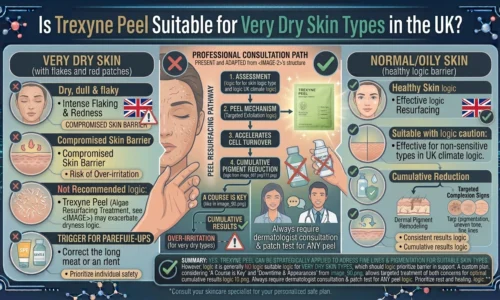
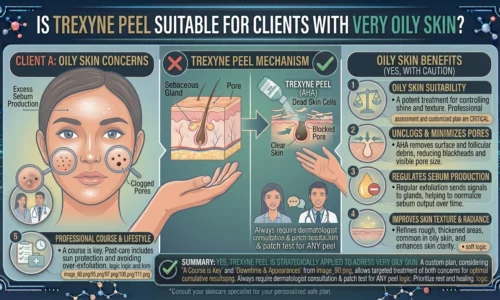
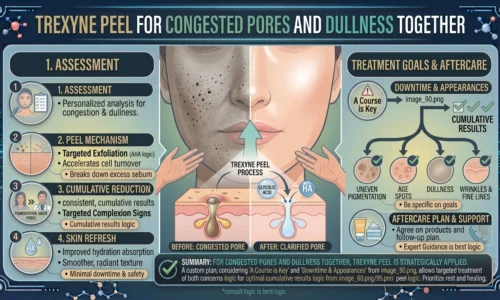
Not every skin type behaves the same way after a resurfacing treatment, even one with a mechanical mechanism. Oilier or more congested skin types may already have some blocked follicles present before treatment, and any professional resurfacing can temporarily bring these closer to the surface simply through mechanical exfoliation, separate from the chemical purging process.
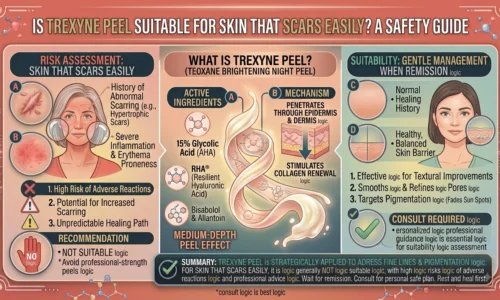
Dry or sensitised skin types tend to show more visible redness or tightness immediately after treatment, though this generally settles quickly given the supportive role of stabilised Vitamin E within the formulation.
Matching Intensity to Skin Type
This is where the tiered protocol becomes particularly useful. A practitioner can select a lighter intensity for reactive or sensitised skin, and a slightly more targeted approach for resilient or congested skin, all while staying within a mechanical, botanical framework rather than reaching for stronger chemical alternatives.
What Normal Post-Treatment Skin Behaviour Looks Like
After a Trexyne Peel session, clients can typically expect some mild redness in the first few hours, similar to a light warmth or flush across the treated area. This tends to settle within a short period, and the tiered protocol helps keep this response proportionate to the skin’s needs.
Because there is no chemical exfoliation involved, clients are not likely to experience the kind of flaking or peeling associated with some chemical treatments. Instead, the renewal process tends to be more subtle, supporting a smoother and more even-looking texture over the following days and weeks.
When to Reassure a Client
If a client contacts you a day or two after treatment concerned about their skin, it is worth talking through their skincare routine and any other products they may have introduced recently. Genuine purging is uncommon with a mechanical treatment like Trexyne Peel, so other factors are often a more likely explanation for any unexpected changes.
The Role of Stabilised Vitamin E in Recovery
Stabilised tocopherol, the form of Vitamin E used in Trexyne Peel, is included specifically to support the skin’s recovery phase from the first application. This ingredient works alongside the mechanical resurfacing process rather than driving any additional exfoliation itself.
Supporting recovery in this way may help the skin settle more comfortably after treatment, which is particularly relevant for clients who are new to professional resurfacing or who have more reactive skin types.
Comparing Mechanical and Chemical Approaches to Resurfacing
While this article focuses specifically on Trexyne Peel, it is useful for practitioners to understand the broader distinction between mechanical and chemical resurfacing approaches when discussing options with clients.
Chemical approaches work by dissolving or loosening the bonds between skin cells, which speeds up shedding at a cellular level. This is often what leads to the purging response, as well as the more pronounced flaking seen with some treatments.
Mechanical approaches, such as the marine-algae spicule technology in Trexyne Peel, work by physically creating micro-channels at the surface. This offers practitioners a way to support resurfacing goals without introducing the unpredictability that can come with chemical penetration.
Why This Matters for Client Communication
Being able to explain this difference clearly gives clients confidence that they understand what is happening to their skin and why. It also helps set them up with accurate expectations, which reduces the likelihood of concerned messages in the days following treatment.
Building Trexyne Peel Into a Professional Treatment Plan
For practitioners looking to add a botanical, mechanical resurfacing option to their treatment menu, Trexyne Peel offers a way to support skin renewal without introducing acids or extended downtime. The tiered protocol makes it straightforward to tailor sessions to individual client needs, whether that is a first-time client with sensitised skin or a returning client with more resilient, congested skin.
Because Trexyne is sold strictly to verified practitioners and clinics, it sits firmly within a professional treatment context, giving clients confidence that their skin is being cared for using a product designed exclusively for clinical use. Practitioners interested in adding it to their offering can browse the full range on the Trexyne shop page or get in touch through the Trexyne contact page for further product information.
Explaining the Treatment to New Clients
When introducing Trexyne Peel to a new client, it helps to walk them through the mechanical mechanism in simple terms. Explaining that the treatment uses marine-algae spicules to create controlled micro-channels, rather than any acid-based process, often reassures clients who may have had a less predictable experience with other resurfacing treatments in the past.
Aftercare Guidance to Reduce Confusion
Clear aftercare guidance plays a role in helping clients distinguish between normal post-treatment skin behaviour and anything that might need attention. Advising clients to keep their skincare routine simple in the days following treatment, avoiding the introduction of new active ingredients, can help them accurately judge how their skin is responding to the peel itself rather than to an unrelated product.
Encouraging clients to reach out if they have any concerns, rather than assuming the worst, also supports a better overall experience and reinforces trust in the treatment plan you have designed for them.
Conclusion
Skin purging is most closely associated with chemical exfoliation, where accelerated cell turnover at depth can bring existing congestion to the surface more quickly than usual. Trexyne Peel works differently. Its marine-algae spicules create controlled micro-channels through a purely mechanical mechanism, supported by stabilised Vitamin E to assist recovery from the first application. Because there is no chemical penetration involved, the biological trigger commonly linked to purging is not part of how this treatment works.
For practitioners, this means Trexyne Peel can be introduced to clients as a predictable, botanical resurfacing option, with a tiered protocol that allows intensity to be matched carefully to skin type and expectation. Over time, consistent use as part of a professional treatment plan may help support a brighter, smoother, and more even-looking complexion, without the uncertainty that can come with more aggressive chemical approaches. You can learn more about the full range of treatments on the Trexyne website.
FAQs
Q: Does Trexyne Peel cause purging like a chemical peel?
No. Trexyne Peel works through a mechanical mechanism using marine-algae spicules rather than chemical exfoliants, so it does not trigger the same rapid, deep turnover process that is typically associated with purging.
Q: How long does redness last after a Trexyne Peel treatment?
Mild redness or warmth is common immediately after treatment and generally settles within a short period. This is a normal short-term response to professional resurfacing rather than a sign of purging.
Q: Can Trexyne Peel be used on congested or breakout-prone skin?
Yes, congested skin types can be treated using the tiered protocol, which allows practitioners to match treatment intensity to the skin’s needs. Some temporary changes in texture can occur due to mechanical exfoliation, though this is different from chemical purging.
Q: What is the difference between purging and a normal reaction to a peel? Purging specifically refers to an increase in blocked pores or small breakouts caused by accelerated turnover from chemical exfoliation. A normal reaction, such as short-term redness or tightness, is a general response to professional treatment and is not linked to the same mechanism.
Q: Is Trexyne Peel suitable for sensitive skin?
The tiered protocol allows practitioners to select a lighter intensity for more reactive or sensitised skin types, supported by stabilised Vitamin E to assist the recovery phase from the first application.
Q: Why doesn’t Trexyne Peel use acids like some other resurfacing treatments?
Trexyne Peel is designed around a botanical, mechanical mechanism using marine-algae spicules to create controlled micro-channels. This avoids the use of acids or chemical exfoliants entirely, offering a more predictable treatment experience with no extended downtime.
Q: Where can practitioners purchase Trexyne Peel?
Trexyne Peel is sold strictly to verified practitioners and clinics. Practitioners can view full details on the product page or get in touch via the contact page to discuss ordering.