Can Trexyne Peel Be Used on the Neck and Decolletage?
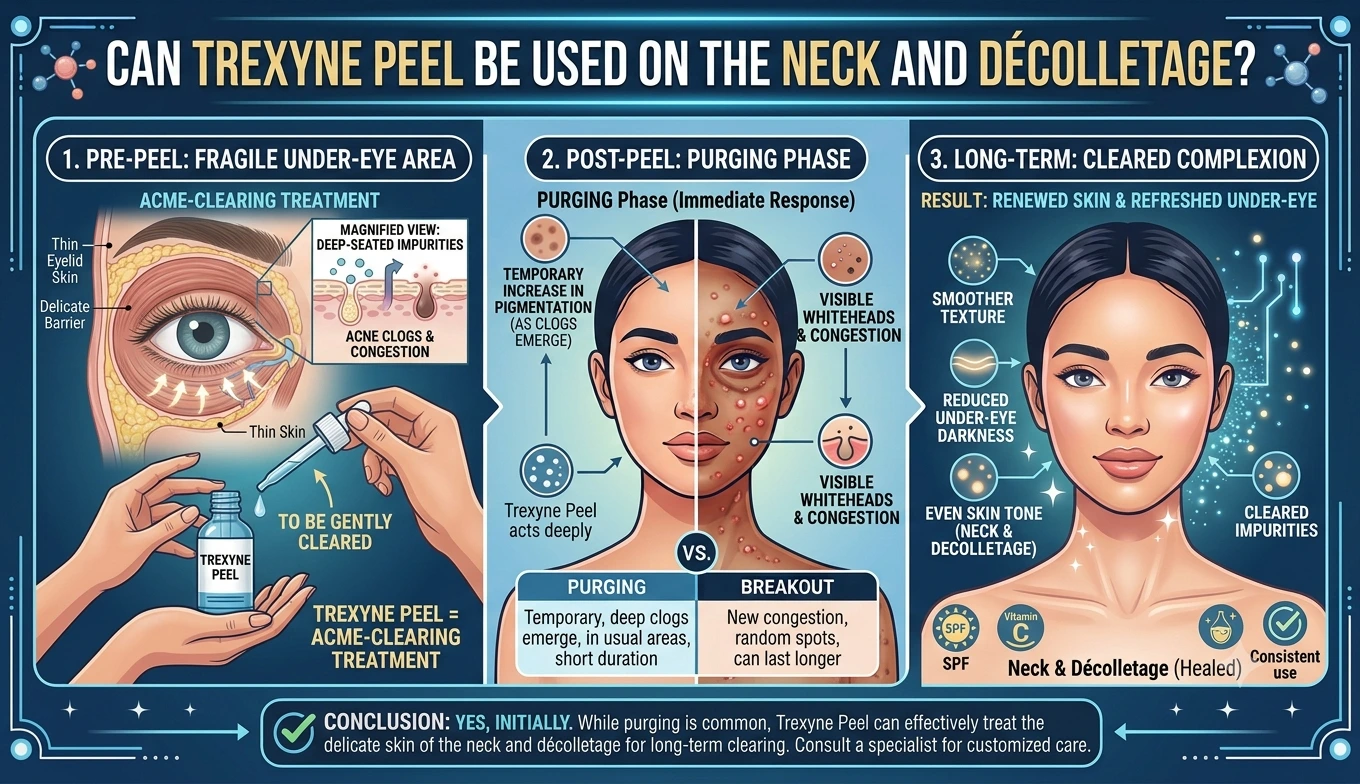
Yes, the Trexyne Peel can be used on the neck and decolletage when the treatment protocol is adjusted to suit these more delicate areas. Many practitioners focus exclusively on facial resurfacing and overlook the neck and chest, yet these areas often show visible signs of ageing, sun exposure and uneven tone just as much as the face does. Because Trexyne works through a mechanical mechanism using marine-algae spicules rather than any form of chemical exfoliation, it offers a controlled and predictable option for treating these thinner-skinned zones. You can view the full treatment profile on the Trexyne Peel product page before planning a neck and decolletage protocol for your clients.
Why the Neck and Decolletage Need Special Consideration
The skin on the neck and chest behaves differently to facial skin. It is generally thinner, contains fewer sebaceous glands and has less collagen density, which means it can show signs of sun damage, crepiness and pigmentation earlier than the face in many clients. Practitioners who specialise in facial resurfacing sometimes forget that this same skin extends downward, and clients rarely think to ask about it unless a professional raises the subject first.
Thinner Skin, Different Response
Because the dermis in this area is less robust, treatments that work well on the face may need to be scaled back for the neck and chest. This is where a tiered protocol becomes valuable, as it lets a practitioner match the intensity of the treatment to how the skin actually responds rather than applying a one-size-fits-all approach. Skin thickness can also vary noticeably between the upper neck, closer to the jaw, and the lower neck near the clavicle, so a uniform intensity across the whole area is rarely the right call.
Common Concerns in This Area
Clients frequently present with sun-induced pigmentation across the chest, textural roughness on the sides of the neck, and a general loss of radiance compared to the face. These concerns are often the result of years of sunscreen being applied to the face while the neck and decolletage are neglected. Horizontal neck lines, sometimes called necklace lines, are another common concern, though these relate more to underlying structural changes than surface texture and should be discussed as a separate consideration from resurfacing.
Why This Area Is Often Neglected in Practice
Many treatment plans are built around the face because that is what clients notice first in the mirror, but photographs, video calls and low necklines tend to expose the neck and chest just as visibly. Bringing this up during consultation, even when a client has not asked about it directly, often opens the door to a more complete treatment plan.
How Trexyne Peel Works on the Neck and Chest
Trexyne Peel resurfaces the skin through marine-algae spicules that create controlled micro-channels in the outer layers of skin. This mechanical action encourages the skin’s natural renewal process without relying on chemical exfoliants of any kind. The formulation also contains stabilised Vitamin E, which supports the skin’s recovery phase from the very first application.
No Acids Involved
Because there are no acids in the Trexyne formulation, practitioners can approach the neck and decolletage with more confidence around predictability. The mechanical spicule action is designed to be consistent, which can be particularly reassuring when working on skin that tends to be more reactive than facial skin. This is a point worth explaining clearly to clients who may have had experiences with chemical treatments elsewhere and are cautious about trying something new on more visible or sensitive areas.
A Tiered Approach for Sensitive Zones
The tiered protocol built into the Trexyne system allows a practitioner to select a lighter intensity for the neck and chest while potentially using a stronger tier on the face during the same session, or across separate sessions depending on the client’s needs and skin history. This flexibility is one of the more practical advantages of the system, as it removes the need to choose between treating the whole area at one strength or avoiding the neck and chest altogether.
Assessing the Client Before Treatment
A thorough consultation is essential before extending any resurfacing treatment to the neck and decolletage. This should include a visual assessment of pigmentation patterns, skin thickness, and any visible vascular concerns.
Reviewing Sun Exposure History
Clients with a long history of chest and neck sun exposure, particularly those who have spent time in warmer climates or who rarely applied sunscreen below the jawline, may show more pronounced pigmentation and textural change in this area. Asking directly about holiday habits, outdoor hobbies and previous sunscreen use can help build a clearer picture than relying on visual assessment alone. Clients who spent years commuting in cars with side windows exposed to sun, or who regularly wear low necklines during summer months, often carry more visible cumulative damage on one side of the neck than the other, which is worth noting during the assessment.
Understanding Skin History Beyond Sun Exposure
Sun exposure is not the only factor that shapes how the neck and decolletage age. Hormonal changes, weight fluctuations and general skin laxity can all influence how this area presents, and a practitioner who takes these wider factors into account is better placed to set a treatment plan that matches what the skin can realistically achieve. This is particularly relevant for clients going through perimenopause or menopause, as changes in skin elasticity during this time can affect how the neck and chest respond to any resurfacing treatment.
Checking for Contraindications
As with any professional resurfacing treatment, it is important to review the client’s recent skincare routine, any active skin conditions, and whether they have used retinoids or other actives recently on the neck and chest. This helps the practitioner decide on an appropriate starting tier. It is also worth asking about any recent dermatological procedures in the area, as overlapping treatments too closely together can affect how the skin responds.
Setting Realistic Goals Together
Once the assessment is complete, it helps to talk through what the client can realistically expect from a course of treatment. Pigmentation that has built up over decades will usually need a longer course than a client presenting with mild, recent textural concerns, and being upfront about this from the start avoids disappointment later.
Adjusting the Protocol for the Neck
The neck requires a more considered approach than the face in most cases, largely because of its thinner skin structure and closer proximity to the platysma muscle, which can make the area more prone to visible reaction.
Starting with a Lower Tier
Many practitioners choose to begin with the lowest tier of the Trexyne protocol on the neck, particularly for first-time clients or those with fair or reactive skin. This allows the practitioner to observe how the skin responds before considering a more intensive approach in future sessions. A cautious first session also gives the client a chance to see how their own skin behaves, which builds confidence for subsequent visits.
Working with Client Expectations
Predictable downtime is one of the advantages of the Trexyne system, and this is especially relevant for the neck, as clients often want to return to normal activities without visible signs of treatment. Setting clear expectations from the outset helps build trust and manage aftercare compliance. Clients with public-facing jobs or upcoming events often ask specifically about visible downtime on the neck, so this is worth addressing early in the consultation.
Technique Considerations Around the Jawline and Collar
Blending the treatment area smoothly where the neck meets the jawline and where it meets the upper chest helps avoid any obvious line of demarcation. Taking a little extra time at these transition points, even if it means a slightly longer appointment, tends to produce a more natural-looking result overall.
Treating the Decolletage Safely
The chest area can be more forgiving than the neck in terms of skin thickness, but it often carries more visible sun damage and pigmentation, particularly in clients who have spent time outdoors without adequate sun protection.
Addressing Chest Pigmentation
Sun-related pigmentation across the decolletage may respond to a course of Trexyne treatments, with the mechanical resurfacing action supporting the skin’s natural renewal process over a series of sessions. Results vary between clients, so it is worth setting realistic expectations from the first consultation. Some clients notice textural improvement before they notice a change in tone, so it can help to track both aspects separately when reviewing progress.
Working Around the Bra Line and Clothing Friction
Practitioners should factor in areas of the decolletage that experience regular friction from clothing, as this can affect how the skin responds and how aftercare products are applied in the days following treatment. Advising clients to wear loose, soft fabrics for a few days after treatment is a simple step that can make aftercare noticeably more comfortable.
Considering Body Position During Treatment
The decolletage curves and shifts depending on how a client is positioned on the treatment couch, so checking posture before beginning ensures even coverage across the whole area rather than concentrating product unevenly on raised or stretched skin.
Building a Full Neck and Decolletage Protocol
A comprehensive approach typically involves a course of treatments rather than a single session, allowing the skin to build tolerance gradually while the practitioner monitors progress at each visit.
Spacing Out Sessions
Sessions on the neck and chest are often spaced slightly further apart than facial sessions, giving the skin more time to complete its renewal cycle between treatments. This is a clinical judgement that should be made on a case-by-case basis, taking into account how the client’s skin responded to the previous session.
Combining with Facial Treatment
Many clinics choose to treat the face, neck and decolletage together as part of a complete resurfacing programme, which can help create a more even-looking transition between these areas rather than treating the face in isolation. This approach also tends to suit clients who are already booking regular facial appointments, as it becomes a natural extension of their existing routine rather than an entirely separate treatment plan.
Reviewing Progress Across a Course
Taking consistent photographs at each visit, under similar lighting, makes it easier to track gradual changes in tone and texture across the neck and decolletage. Clients often find this reassuring too, as improvements in these areas can be more subtle and gradual than on the face.
Comparing Recovery Timelines Between Face, Neck and Chest
Practitioners new to treating the neck and decolletage sometimes assume recovery will mirror the face closely, but there are some differences worth understanding before building out a full protocol.
Why Recovery Can Differ Slightly by Area
Because the neck moves constantly through speech, swallowing and turning the head, the skin in this area experiences more mechanical movement during the recovery window than the relatively still skin of the face. This can influence how quickly any surface changes settle, and it is one of the reasons practitioners often advise a slightly more conservative approach on the neck during the first few sessions.
Chest Recovery and Everyday Movement
The decolletage similarly experiences regular movement from arm motion, breathing and clothing contact, all of which can play a role in how the area feels and looks in the days following treatment. Advising clients to be mindful of these everyday movements, without needing to avoid them altogether, tends to be a practical and reassuring way to frame aftercare guidance.
Communicating Timelines Clearly to Clients
Being specific about what to expect in the days following treatment on each area, rather than giving a single blanket timeline for the whole face, neck and chest, helps clients feel prepared and reduces the likelihood of unnecessary follow-up questions or concern.
Long Term Maintenance for the Neck and Decolletage
Resurfacing the neck and chest is rarely a one-off treatment, and thinking about long term maintenance from the outset tends to produce better outcomes over time.
Spacing Maintenance Sessions
Once a client has completed an initial course, many practitioners recommend periodic maintenance sessions on the neck and decolletage to help sustain the improvements achieved during the primary course of treatment. The frequency of these sessions depends on the client’s skin, their sun exposure habits and how well they maintain their aftercare routine between visits.
Encouraging Consistent Home Habits
Clients who commit to daily sunscreen use and a gentle, consistent skincare routine on the neck and chest between clinic visits tend to see more stable results over the longer term. Reinforcing this message at every visit, rather than only at the first consultation, helps keep it front of mind for clients who might otherwise focus their home routine on the face alone.
Reassessing the Protocol Over Time
As a client progresses through a course of treatment, their neck and chest may tolerate a higher tier than where they started, particularly once the practitioner has a clearer sense of how their skin responds. Revisiting the protocol at each stage of a maintenance plan allows treatment to evolve alongside the client’s skin rather than staying fixed at the original starting point.
Aftercare for the Neck and Chest
Aftercare plays a significant role in how well the skin responds to any resurfacing treatment, and the neck and decolletage are no exception.
Sun Protection Is Non-Negotiable
Clients should be advised to apply a broad-spectrum sunscreen to the neck and chest daily, not just after treatment but as an ongoing habit. This area is frequently under-protected, which can undermine even the best in-clinic results over time. It can help to suggest a specific reminder, such as applying sunscreen to the neck and chest at the same time as the face each morning, so it becomes part of an established routine rather than an afterthought.
Gentle Products in the Days Following Treatment
In the days after treatment, clients should be guided towards gentle, non-irritating skincare on the neck and decolletage, avoiding harsh actives while the skin completes its recovery phase. A simple routine of cleanser, a calming moisturiser and sunscreen is usually sufficient during this window.
Clothing and Fabric Choices
Encouraging clients to avoid tight collars, scarves or jewellery that rubs against the neck and chest in the days following treatment can reduce unnecessary irritation while the skin settles.
Who Should Avoid Neck and Decolletage Treatment
While Trexyne Peel is suitable for many clients, certain presentations warrant caution or a modified approach on the neck and chest specifically.
Active Skin Conditions
Clients with active eczema, dermatitis or other inflammatory conditions in the treatment area should be assessed carefully before proceeding, and treatment may need to be postponed until the skin is stable.
Recent Sun Exposure or Sunburn
Any recent sunburn or excessive sun exposure to the neck and chest should be resolved before considering treatment, as compromised skin barrier function can affect how the area responds.
Other Considerations Before Proceeding
Clients who are unsure about their skin’s history in this area, or who have had unexplained reactions to previous treatments on the neck or chest, should be given a patch test approach or a more conservative starting point rather than proceeding at a standard tier straight away. It is also worth building in extra time during the initial consultation for clients presenting with concerns in multiple areas, so nothing feels rushed when discussing whether the neck and chest are suitable candidates for treatment on that particular visit.
Documenting Decisions for Ongoing Care
Keeping clear notes on why a particular tier or approach was chosen for the neck and decolletage, alongside how the client’s skin responded, makes it far easier to plan future sessions consistently. This is particularly useful in clinics where more than one practitioner might see the same client over time, as it ensures continuity of care rather than starting the assessment process from scratch at every visit.
Why Practitioners Choose Trexyne for These Areas
Trexyne Peel is sold strictly to verified practitioners and clinics, which means every treatment on the neck and decolletage is delivered within a professional setting by someone trained in the protocol. This professional-only model, combined with the tiered intensity options, gives practitioners the flexibility to treat delicate areas like the neck and chest with a considered, step-by-step approach rather than a single fixed strength. You can browse the full range of options on the Trexyne shop page to see how the peel is packaged for practice use.
Building Client Loyalty Through Fuller Treatment Plans
Offering neck and decolletage treatment alongside facial resurfacing often strengthens the relationship between practitioner and client, as it demonstrates a more complete understanding of the client’s overall skin concerns rather than focusing narrowly on the face alone. Clients who see visible improvement across all three areas are often more likely to return for maintenance sessions.
Positioning This as Part of a Wider Skin Health Conversation
Introducing neck and decolletage treatment as part of a broader conversation about overall skin health, rather than as an upsell, tends to land better with clients. Framing it around the fact that this skin has often been neglected for years, and explaining simply how the mechanical resurfacing action and Vitamin E in Trexyne support the renewal process, gives clients a clear and honest reason to consider extending their treatment plan beyond the face.
Conclusion
The neck and decolletage are often overlooked in resurfacing treatments, despite showing some of the earliest and most visible signs of sun damage, pigmentation and textural change. Because Trexyne Peel works through a purely mechanical mechanism using marine-algae spicules, rather than any chemical exfoliation process, it offers practitioners a way to approach these more delicate areas with a tiered, adjustable protocol. Starting at a lower intensity, assessing each client’s skin history, and pairing treatment with consistent sun protection can help support a brighter, more even-looking complexion across the face, neck and chest over time. For practitioners looking to bring this protocol into their clinic, more information is available on the Trexyne homepage and through the Trexyne contact page for practitioner enquiries.
FAQs
Q: Can Trexyne Peel be used safely on the neck?
Yes, Trexyne Peel can be used on the neck when a practitioner selects an appropriate tier for this thinner-skinned area. Many practitioners start with a lower intensity on the neck compared to the face and adjust based on how the skin responds.
Q: Is the decolletage treated the same way as the face with Trexyne Peel?
Not exactly. While the same mechanical resurfacing principle applies, the protocol is often adjusted for the decolletage to account for sun damage patterns and skin thickness that differ from the face.
Q: How many sessions are typically needed to treat neck and chest pigmentation?
This varies by client, as pigmentation depth and sun exposure history differ from person to person. A practitioner will usually recommend a course of sessions and reassess progress at each visit.
Q: Does treating the neck and decolletage with Trexyne Peel involve any chemical exfoliation?
No. Trexyne Peel works through a mechanical mechanism using marine-algae spicules and contains no acids or chemical exfoliants, which applies equally to facial, neck and decolletage treatment.
Q: Can I combine facial resurfacing with neck and decolletage treatment in the same session?
Many practitioners do combine these areas within a single appointment, adjusting the tier for each zone as needed. This should be planned according to the client’s skin assessment.
Q: What aftercare is recommended for the neck and chest after treatment?
Daily broad-spectrum sunscreen and gentle, non-irritating skincare are recommended in the days following treatment, as the neck and decolletage can be more prone to visible sun damage if left unprotected.
Q: Who should avoid having their neck or decolletage treated with Trexyne Peel?
Clients with active inflammatory skin conditions, recent sunburn, or compromised skin barrier function in the treatment area should be assessed carefully, and treatment may need to be postponed until the skin has stabilised.