Can Lack of Sleep Cause Dull Uneven Skin?
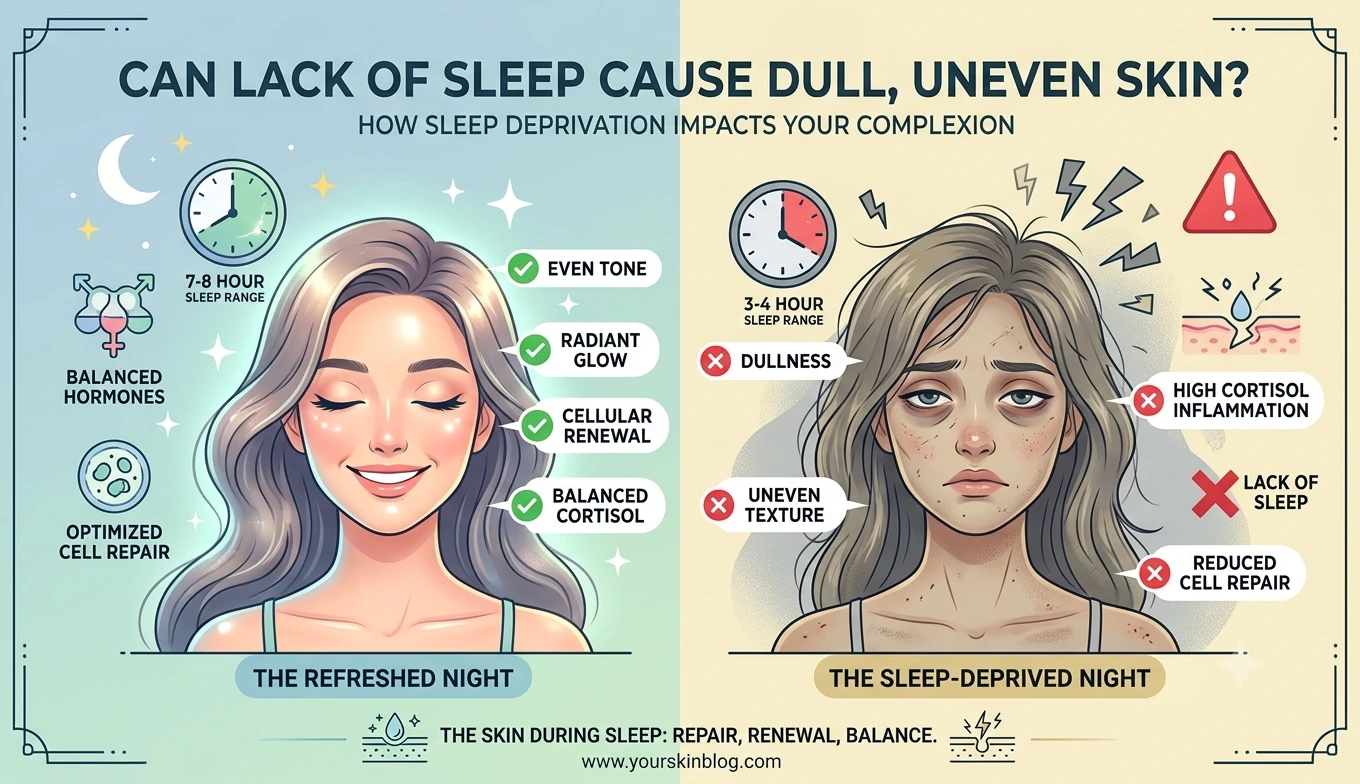
Yes, lack of sleep can contribute to dull, uneven-looking skin. During sleep, the body carries out much of its natural repair and renewal work, including regulating blood flow, balancing hormones, and supporting the skin’s recovery processes. When sleep is disrupted or cut short, these processes slow down, which can leave the complexion looking tired, patchy, or lacklustre. Over time, chronic sleep disruption may also make existing pigmentation or tonal unevenness more noticeable. For clients who present with this concern, professional support such as the Trexyne Peel can play a helpful role alongside better sleep habits, offering a way to encourage smoother, more refined-looking skin through a purely botanical, mechanical approach.
How Sleep Affects Skin Renewal
Skin renewal is not a random process. It follows a rhythm, and much of the heavy lifting happens overnight. While a client sleeps, skin cells go through their natural turnover cycle, old surface cells are shed, and new cells move up to replace them. This cycle is closely tied to the body’s circadian rhythm, which means the timing and quality of sleep matter just as much as the number of hours logged.
When sleep is consistently short or fragmented, this renewal cycle can become sluggish. Cell turnover slows, and the skin may hold onto dull, flattened surface cells for longer than it should. The result is often a complexion that looks tired, uneven in texture, and lacking in natural radiance. Practitioners frequently see this pattern in clients who work irregular hours, travel often, or go through prolonged periods of stress.
The Science Behind Sleep and Skin Tone
Cortisol and Inflammation
Sleep deprivation is closely linked to raised cortisol levels. Cortisol is the body’s primary stress hormone, and when it stays elevated for extended periods, it can contribute to low-grade inflammation throughout the body, including the skin. This inflammatory response may disrupt melanin production in some areas, which can lead to patchiness or a more uneven skin tone over time.
Clients who mention ongoing stress alongside poor sleep are often good candidates for a broader conversation about how these two factors interact. It is rarely just one cause acting alone.
Reduced Blood Flow and Oxygenation
Sleep also supports healthy circulation. During deep sleep stages, blood flow to the skin tends to increase, helping deliver oxygen and nutrients that support a healthy-looking complexion. When sleep is cut short, this process is interrupted, which may explain why tired skin often looks pale, sallow, or uneven in tone rather than simply dry.
Signs Your Skin Is Showing Sleep Deprivation
Recognising the visual signs of sleep-related skin changes can help practitioners guide clients toward the right treatment plan. Common signs include:
- A dull, flat-looking complexion that lacks natural glow
- Patches of uneven tone, particularly around the cheeks and under the eyes
- A rougher texture that feels less smooth to the touch
- Fine lines appearing more pronounced than usual
- Skin that looks tired even after makeup or skincare application
These signs are not exclusive to sleep deprivation, but when they appear alongside a client’s own account of poor sleep, they are worth discussing as part of a wider skin health assessment.
Why Dullness and Uneven Tone Often Appear Together
Dullness and uneven tone are frequently described separately, but in practice they often show up together. This is because both are rooted in the same underlying issue: a build-up of surface cells that are not being renewed efficiently. A slower turnover cycle means older, duller cells linger on the surface, while any existing pigmentation, whether from sun exposure, ageing, or hormonal changes, becomes more visible against a lacklustre backdrop.
This is one reason professional exfoliating treatments are often recommended for clients dealing with sleep-related skin concerns. By encouraging the skin to shed those tired surface cells more effectively, treatments can help reveal a fresher, more even-looking layer beneath.
The Role of Skin Barrier Function in Tired-Looking Skin
A well-functioning skin barrier is essential for maintaining hydration, protecting against environmental stress, and supporting an even-looking complexion. Poor sleep may weaken barrier function over time, which can make skin more reactive, drier, and more prone to visible unevenness.
When the barrier is compromised, skin often struggles to hold onto moisture, which can make dullness and rough texture more obvious. This is why any treatment plan for sleep-related skin concerns should also consider barrier support, not just exfoliation alone.
Lifestyle Habits That Compound Sleep-Related Skin Changes
Sleep is rarely the only factor at play. Several lifestyle habits can compound the visible effects of poor sleep on the skin, including:
- High stress levels, which raise cortisol and may worsen inflammation
- Dehydration, which can make dullness more pronounced
- Excessive screen time before bed, which disrupts natural sleep cycles
- Alcohol consumption, which can affect sleep quality even when total hours seem adequate
- Skipping skincare routines when tired, which reduces the skin’s ability to recover overnight
Discussing these habits with clients can help set realistic expectations. In-clinic treatments can support visible improvement, but lasting results are usually the product of both professional care and better daily habits.
How Professional Treatments Can Support Tired, Uneven Skin
For clients whose dullness and unevenness have become a persistent concern rather than an occasional tired morning, in-clinic treatments can offer a more targeted level of support than home skincare alone. Professional exfoliating treatments work by encouraging the skin to shed built-up surface cells, which can reveal fresher-looking skin beneath and support a more even tone over time.
This is where treatments like the Trexyne Peel can be particularly useful. Rather than relying on chemical exfoliation, Trexyne uses a botanical, mechanical approach that many practitioners find suitable for clients who want visible results without the acid-related sensitivity some skin types experience.
Why Trexyne Peel Is Suited to Sleep-Deprived, Uneven Skin
Botanical Mechanism
Trexyne Peel is built around marine-algae spicules, which create controlled micro-channels in the skin’s surface without the use of chemical exfoliants. This mechanical mechanism allows practitioners to encourage renewal in a way that avoids the acid-based approach found in many traditional peels. For clients whose skin is already stressed from poor sleep, this can be a more comfortable route toward visible improvement.
Vitamin E Support
Alongside the botanical mechanism, Trexyne is infused with stabilised Vitamin E, which supports the skin’s recovery phase from the very first application. This can be particularly relevant for tired, sleep-deprived skin, which often needs extra support to recover well after any resurfacing treatment. Practitioners looking to explore the full range of options can browse the Trexyne shop to see how the tiered protocol fits into a wider treatment plan.
Building a Recovery Protocol for Clients With Chronic Sleep Disruption
Clients with long-term sleep disruption, such as shift workers or new parents, often need a slightly different approach to their treatment protocol. Because their skin may already be under more strain, practitioners typically recommend starting with a lower intensity setting and building up gradually.
Trexyne’s tiered protocol is designed with this flexibility in mind, allowing intensity to be matched to skin type and client expectation rather than applying a one-size-fits-all approach. This can help avoid overwhelming skin that is already compromised by fatigue, while still working toward a brighter, more even-looking result over a series of sessions.
Practitioners who are unsure which protocol level suits a particular client are encouraged to get in touch via the Trexyne contact page for further guidance on building an appropriate treatment plan.
Practical Tips to Support Skin Between Clinic Visits
Clinic treatments work best when paired with supportive habits at home. Practitioners can advise clients to:
- Prioritise a consistent sleep schedule, even on weekends
- Stay hydrated throughout the day, not just before bed
- Limit alcohol and caffeine in the hours before sleep
- Use a gentle, barrier-supporting skincare routine in the evening
- Avoid skipping skincare steps even when tired, as consistency matters more than intensity
These small adjustments, combined with regular professional treatments, can make a meaningful difference in how quickly and how well the skin responds. For clients wanting to learn more about the brand’s approach to skin renewal, the Trexyne homepage offers a helpful overview of the philosophy behind the product range.
Conclusion
Lack of sleep can genuinely affect how the skin looks and behaves. Disrupted rest slows down natural cell renewal, raises stress hormones, and reduces healthy circulation, all of which can contribute to a dull, uneven-looking complexion over time. While better sleep habits remain an important part of the solution, many clients benefit from additional support through professional treatment. The Trexyne Peel offers a botanical, mechanical approach to resurfacing that may help address the visible signs of tired, uneven skin, supporting a brighter and more balanced-looking complexion as part of a wider skin health routine.
FAQs
Q: Can poor sleep really cause uneven skin tone?
Poor sleep is associated with raised cortisol levels and reduced blood flow to the skin, both of which may contribute to a more uneven-looking tone over time. It is rarely the sole cause, but it can be a significant contributing factor for many clients.
Q: How long does it take for sleep-related dullness to improve?
This varies from person to person, but consistent improvements in sleep quality combined with professional treatments such as the Trexyne Peel may help support visible improvement over a series of sessions rather than overnight.
Q: Is the Trexyne Peel suitable for clients with sensitive, sleep-deprived skin?
Trexyne’s tiered protocol allows practitioners to adjust intensity based on individual skin type and condition, which can make it a suitable option for clients whose skin is currently more reactive due to fatigue or stress.
Q: Does the Trexyne Peel use acids to treat dull skin?
No. Trexyne Peel works through a mechanical mechanism using marine-algae spicules, rather than chemical exfoliants. This is one of the key features that sets its approach apart.
Q: Can lifestyle changes alone fix dull, uneven skin caused by lack of sleep?
Improved sleep habits can support skin health, but many clients see more noticeable and consistent results when lifestyle changes are paired with professional treatments designed to support renewal and tone.
Q: How often should clients with chronic sleep disruption book in-clinic treatments?
This depends on individual skin condition and goals. Practitioners can assess this during a consultation and recommend a suitable protocol based on the Trexyne tiered system.
Q: Where can practitioners learn more about offering Trexyne Peel treatments?
Practitioners can explore the full product range via the Trexyne shop or get in touch directly through the Trexyne contact page for more detailed guidance on treatment planning.