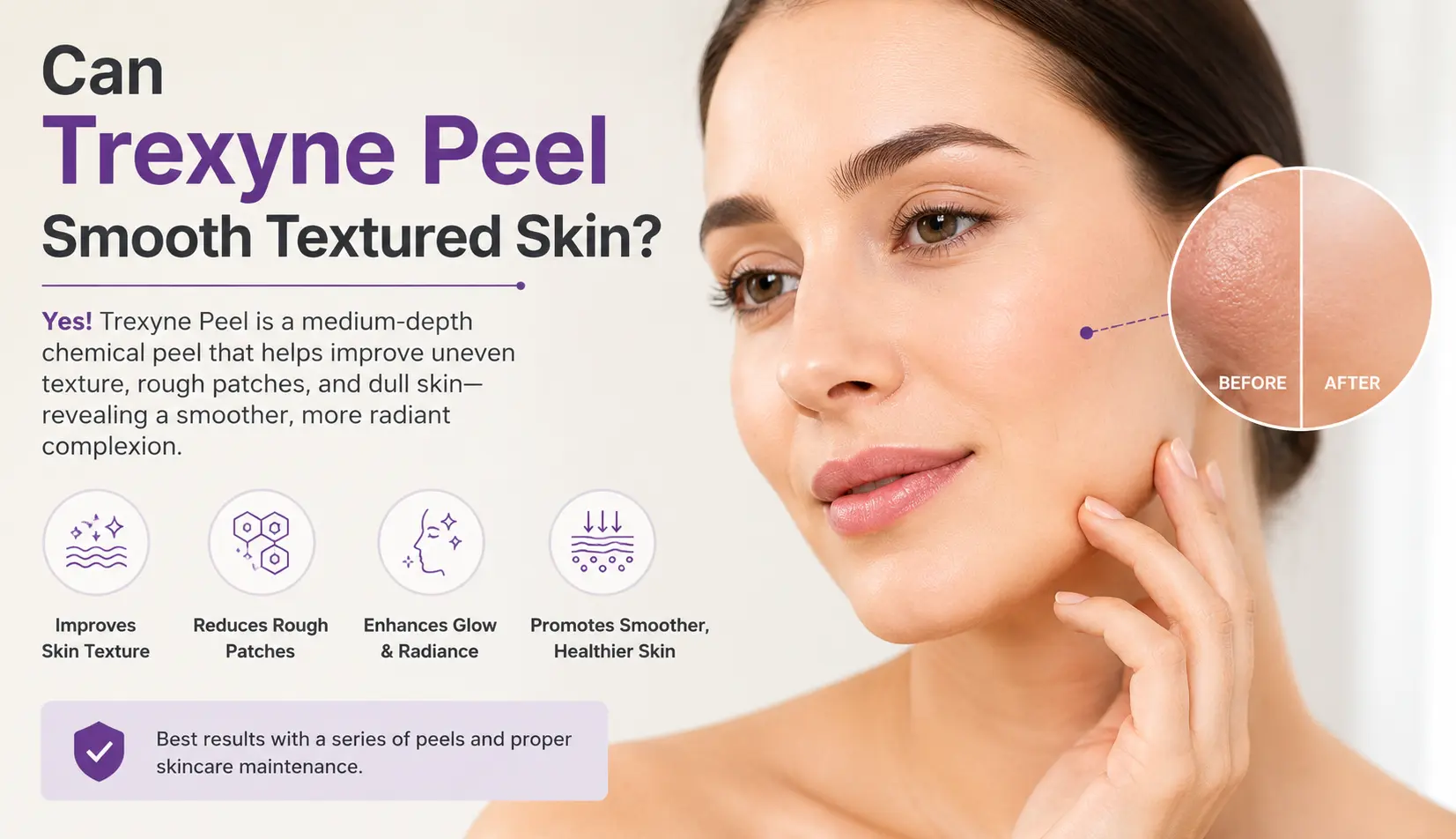
Can Trexyne Peel Smooth Textured Skin?
Skin texture irregularities present a persistent challenge in professional aesthetics. Clients frequently seek solutions for roughness, uneven tone, and structural imperfections without wanting the risks of traditional chemical resurfacing. If you are wondering how to address these concerns effectively, the answer lies in advanced botanical micro-channeling. The Trexyne Peel — Professional Algae Resurfacing Treatment offers a sophisticated, non-chemical approach to smooth textured skin by utilising marine spicules to encourage natural renewal. This specialized protocol allows practitioners to refine skin structural quality while maintaining complete control over the treatment intensity.
Understanding Skin Texture Irregularities
The Root Causes of Rough Skin
Uneven skin texture develops through several distinct biological mechanisms. The accumulation of dead cells on the stratum corneum often creates a dull, coarse surface. When the natural desquamation process slows down due to age or environmental stressors, the skin loses its natural smoothness. Dehydration further exacerbates this issue, making fine lines and minor structural imperfections appear more pronounced. Environmental pollutants, UV exposure, and lifestyle factors can further stall metabolic processes within the epidermal layers, leading to an irregular, coarse skin matrix.
Structural Changes and Visual Impact
Loss of structural integrity also contributes significantly to poor texture. As the structural matrix weakens over time, the skin surface reflects light unevenly. This lack of uniform light reflection makes pores appear larger and creates a shadowed, fatigued appearance. Addressing these concerns requires a targeted approach that physically assists the skin surface to renew itself. When the surface lacks flatness, topical serums and cosmetics fail to sit smoothly, which prompts clients to seek intervention from specialized clinical treatments.
The Impact of Slower Cellular Turnover
As skin ages, the natural timeline for a cell to travel from the basal layer to the stratum corneum stretches significantly. In youthful skin, this cycle completes rapidly, ensuring a constantly fresh surface. When it slows, older cells flatten, dry out, and cling to the surface. This physical buildup creates visible scaling, deepens the appearance of follicular openings, and leaves the complexion looking rough. A purely topical moisturizer cannot correct this structural accumulation; it requires a deep, physical resetting of the desquamation timeline.
The Shift Away From Traditional Chemical Peels
Limitations of Acid-Based Treatments
For decades, the standard response to rough skin texture involved chemical exfoliation. While chemical acids can strip away surface layers, they often introduce unpredictable variables into a treatment plan. Chemical peels rely on altering skin pH, which can lead to prolonged erythema, irritation, and unexpected downtime for clients with sensitive skin types. This dependency on chemical denaturation means that if a client has an impaired skin barrier, the acid can penetrate unevenly, causing localized hot spots, unwanted hyperpigmentation, or superficial scarring.
The Need for Predictable Professional Solutions
Modern aesthetic clients increasingly demand predictable results without the traditional side effects of chemical penetration. Practitioners require solutions that deliver structural refinement without stripping the skin barrier or causing extended social downtime. Moving away from chemical interventions allows for a more controlled and comfortable client experience. Clinics across the UK report that clients are pushing back against the peeling sheets of skin and social isolation traditionally associated with deep chemical resurfacing, opting instead for progressive, intelligent alternatives.
Avoiding the Complications of pH Manipulation
When a practitioner applies an acid, they are at the mercy of the client’s skin chemistry and the atmospheric humidity of the treatment room. Neutralizing processes must be timed down to the exact second to prevent deep tissue injury. By eliminating pH manipulation from the texturing protocol, practitioners remove a massive layer of clinical risk. The focus shifts from burning away tissue to physically communicating with the tissue, changing the dynamic of professional skin refinement completely.
Introducing Trexyne Peel for Texture Refinement
A Sophisticated Mechanical Mechanism
The Trexyne Peel — Professional Algae Resurfacing Treatment introduces a completely different paradigm to the aesthetic market. This treatment does not rely on any acids or chemical exfoliants to achieve its smoothing effects. Instead, it works through a purely mechanical mechanism that respects the biological integrity of the skin. By utilizing a physical pathway, it triggers cellular communication without disrupting the delicate acid mantle or causing systemic chemical stress to the delicate epidermal layers.
Harnessing Marine Spicules
At the heart of this formulation are marine-algae spicules. These microscopic crystalline structures are derived from natural marine sources. When massaged into the skin by a trained practitioner, the spicules physically interact with the upper layers of the epidermis to initiate a comprehensive resurfacing process. These spicules are incredibly consistent in size and shape, ensuring that the mechanical friction delivered across the face is uniform, controlled, and perfectly predictable throughout the entire treatment session.
The Purity of Botanical Engineering
By sourcing these structural components from marine algae, the formulation remains entirely botanical. This appeals directly to the modern consumer who values natural origins but demands medical-grade clinical outcomes. The spicules are highly purified to remove organic debris, leaving behind only the pure, structural matrix required to interface with the skin. This ensures that the mechanical stimulation is clean, precise, and free from any unwanted bio-impurities that could cause adverse reactions.
How Marine Spicules Resurface the Skin
Creating Controlled Micro-Channels
When applied during a professional session, the marine-algae spicules create thousands of controlled micro-channels in the target area. This physical stimulation triggers the skin’s natural healing response without causing chemical trauma. The micro-channels effectively signal the deeper epidermal layers to accelerate cell turnover, waking up dormant regenerative pathways. This mechanical pathway achieves the same goal as microneedling or advanced friction therapies but does so via a unique, uniform botanical medium.
Accelerating Natural Desquamation
As the skin responds to these physical micro-channels, the shedding of old, rough surface cells accelerates. This mechanical action forces the dead stratum corneum to lift away naturally. The result is an accelerated renewal cycle that brings fresh, smoother cells to the surface far more quickly than standard physiological processes allow. Instead of dissolving the bonds between cells using harsh solutions, the skin is prompted to push out old material from below, leading to a much healthier and structurally sound surface barrier.
Deep Structural Refinement
The presence of these micro-channels does more than alter the superficial layer; it changes how light reflects off the entire cutaneous surface. By forcing a rapid cycle of shedding, the uneven ridges and troughs that characterize rough skin texture are steadily smoothed down. Large pores appear less noticeable because the surrounding tissue becomes firmer, cleaner, and more uniformly aligned. The mechanical action ensures that every millimeter of treated skin undergoes the same intensive renewal process.
The Role of Stabilised Vitamin E in Skin Recovery
Supporting the Recovery Phase
Resurfacing the skin requires a balanced approach that supports the barrier during its renewal phase. The Trexyne formulation incorporates stabilised Vitamin E to deliver this essential support. Because the formula includes stabilised tocopherol, it begins working alongside the mechanical stimulation from the very first application. Vitamin E is a renowned lipid-soluble antioxidant that fits perfectly into the lipid matrix of the skin, helping to mitigate the oxidative stress that can occur when the skin surface is physically manipulated.
Comfort and Barrier Maintenance
The addition of stabilised Vitamin E ensures that the skin remains supported throughout the post-treatment period. It works to soothe the treated area, minimizing discomfort and helping to maintain the integrity of the moisture barrier. This conscious formulation design prevents the dryness and intense irritation often associated with aggressive resurfacing. Clients can go about their daily routines knowing that while their skin is working hard to renew its structure, it is simultaneously cocooned in a protective, comforting blanket of stabilised nourishment.
Enhancing Long-Term Skin Health
By keeping the barrier supported during the mechanical transition, stabilised Vitamin E prevents trans-epidermal water loss. When skin loses moisture rapidly, it triggers an emergency oil production response, which can lead to congestion and further textural issues. The presence of tocopherol ensures a calm, orderly recovery environment. This means the skin can focus all its metabolic energy on structural synthesis and desquamation, rather than wasting resources on repairing a broken, dehydrated barrier.
Achieving Predictable Downtime in Clinic
A Tiered Protocol for Customisation
Every client has a unique skin type and varying tolerance for social downtime. The Trexyne system features a tiered protocol that allows practitioners to match the intensity of the mechanical resurfacing to specific client expectations. You can easily adjust the application technique, pressure, and duration to deliver mild, moderate, or advanced resurfacing. This gives the modern practitioner the flexibility of an entire treatment portfolio contained within a single, highly specialized botanical product.
No Surprises for Practitioners or Clients
Because the peel operates mechanically rather than chemically, the skin response is highly predictable. There is no risk of deep chemical burning or unexpected hyperpigmentation from acid penetration. Clients experience a reliable recovery timeline, making it much easier to schedule treatments around their busy professional and personal lives. The practitioner can confidently outline exactly what days flaking will occur, removing the anxiety that so often accompanies advanced skin resurfacing treatments.
Managing Client Expectations Effectively
In a professional aesthetic setting, managing expectations is just as important as the clinical technique itself. When using a mechanical resurfacing modality, the response is visible under the practitioner’s hands in real-time. There is no hidden depth penetration occurring after the client leaves the clinic. This real-time feedback allows for precise adjustments during the session, ensuring that the client receives exactly the level of intensity their lifestyle and skin structural integrity can accommodate.
Maximising Clinic Profitability and Efficiency
Optimal Vial Packaging and Yields
From a business perspective, inventory efficiency is vital for maintaining healthy margins. The product is supplied in a 30ml practitioner vial, which provides approximately 6 to 8 full-face treatments. This concentrated packaging ensures that clinics can maximize their return on investment with minimal product wastage. Practitioners can select from a 1 peel trial vial up to 10 or 20 peel volume options directly through the online Trexyne Shop to suit their specific client demand and treatment room turnover.
Straightforward Professional Integration
Integrating this treatment into your existing service menu is exceptionally straightforward. The predictable nature of the mechanical mechanism allows for seamless booking slots. It provides an excellent option for clients who are unsuited for chemical options or those looking for an innovative botanical alternative to standard microdermabrasion. Because it does not require complex electronic machinery, the treatment can be performed in any standard clinical room, increasing room utilization rates and boosting overall clinic profitability.
Enhancing Treatment Packages and Longevity
The financial flexibility of the multi-peel packs allows clinics to structure highly attractive treatment courses for their clients. Textural issues are rarely solved in a single day, and by booking clients into a progressive, tiered series of mechanical resurfacing sessions, clinics secure reliable, recurring revenue. The high yield from each 30ml vial ensures that the cost per treatment remains remarkably low, allowing for generous profit margins while remaining competitively priced within the premium UK aesthetic market.
A Strictly Professional-Only Skincare Solution
Verified Practitioner Distribution
The manufacturers maintain a strict policy regarding distribution. This product is sold exclusively to verified aesthetic practitioners and professional clinics. It is never made available to the general public for home use, preserving the prestige, exclusivity, and safety of the treatment. This strict control prevents the brand from being diluted by consumer misuse and ensures that it remains an elite, clinic-only solution that clients must visit a professional to receive.
Ensuring Safety and Treatment Integrity
Because the application relies on precise manual techniques to embed the marine spicules, professional training is essential. Restricting sales to qualified experts ensures that the tiered protocols are delivered safely and effectively. If you are a qualified professional looking to introduce this treatment to your clinic, you can submit your credentials via the Trexyne Contact Us page. This verification process protects both the end consumer and the professional reputation of the clinics utilizing the protocol.
Elevating the Clinic Menu Status
When clients know a treatment cannot be bought on the high street or from an unverified online retailer, its perceived value skyrockets. It positions your clinic as a true center of advanced aesthetic expertise. By offering a treatment that relies on highly technical physical manipulation and strict professional assessment, you separate your business from day spas and beauty salons, placing your menu firmly within the clinical medical-aesthetic category.
What Clients Can Expect During and After Treatment
The In-Clinic Experience
During the treatment, the client will feel a distinctive physical sensation as the marine spicules are massaged into the skin. This is often described as a mild prickly or tingling sensation, similar to a physical exfoliation massage but deeper. Because there are no acids present, there is no chemical burning, searing heat, or stinging sensation during the application process. The practitioner retains full manual control over the friction, ensuring the client remains within their comfort threshold throughout the process.
Post-Treatment Renewal
In the days following the session, the skin begins its mechanical renewal process. Clients may notice mild flaking, dryness, or peeling as the old, textured cells detach from the surface. Throughout this phase, the infused Vitamin E supports the skin, resulting in a refreshed, smoother, and more refined appearance once the cycle completes. The complexion appears progressively more even-toned and vibrant as the rough, dead stratum corneum gives way to beautifully organized, fresh epidermal cells.
Long-Term Textural Benefits
As the skin moves past the initial renewal phase, the structural benefits become fully apparent. The physical stimulation of the micro-channels encourages a more organized deposition of surface proteins, which translates to a visibly firmer and smoother skin surface. When clients touch their face a week after the session, they note a dramatic reduction in roughness. This tactile improvement is backed by an increase in natural radiance, as a flat surface reflects light with far greater efficiency than an irregular one.
Advanced Clinical Techniques for Maximum Texture Refinement
Perfecting the Manual Massage Routine
The efficacy of the marine spicule delivery depends entirely on the practitioner’s manual technique. A soft, circular motion allows the micro-crystalline structures to orient themselves correctly against the skin surface. By altering the speed and downward pressure of the massage, the practitioner can target specific zones of severe texture, such as the malar region or areas with deep structural scarring, while remaining gentler on thinner zones like the temples.
Mapping the Face for Targeted Resurfacing
Skin texture is rarely uniform across the entire face. The T-zone often exhibits larger pores and thicker skin, while the cheeks may show fine textural lines and dehydration roughness. An experienced practitioner will map these zones prior to starting the mechanical application. By allocating more time and a slightly higher tier of the protocol to the thicker, more resilient areas, you optimize the smoothing effect where it is needed most without over-stimulating delicate zones.
Post-Procedure Compliance and Care
Once the mechanical application is complete, the client must follow strict post-procedure instructions to protect the newly forming skin layers. Because the spicules remain active within the micro-channels for a short period, clients should avoid touching the face unnecessarily or applying heavy makeup immediately. The application of gentle, supportive topical care that complements the infused Vitamin E will ensure that the accelerated desquamation process finishes smoothly, leaving behind an immaculately refined skin surface.
Conclusion
Uneven skin texture and surface roughness stem from slowed cellular turnover and a buildup of dead epidermal cells. While traditional methods rely heavily on chemical acids, the Trexyne brand offers an innovative, non-chemical alternative. The Trexyne Peel utilizes a purely mechanical mechanism driven by marine-algae spicules to create controlled micro-channels, which effectively accelerates the skin’s natural desquamation process. Supported by stabilised Vitamin E from the first application, this professional-only treatment delivers a predictable downtime experience. By physically refining the stratum corneum without chemical trauma, this advanced protocol may support a brighter, more even-looking complexion for clients seeking structural skin refinement.
FAQ Section
Q: How does Trexyne Peel smooth textured skin without using chemical acids?
A: The treatment utilizes a mechanical mechanism rather than a chemical one. Marine-algae spicules create controlled micro-channels upon application, physically stimulating the skin to accelerate its natural cell turnover and shed rough, dull surface cells.
Q: Is the Trexyne Professional Algae Resurfacing Treatment safe for all skin types experiencing roughness?
A: Yes, because it does not rely on chemical penetration or pH alteration, the physical mechanism is highly predictable. The tiered protocol allows the practitioner to adjust the intensity of the massage to suit different skin sensitivities safely.
Q: How many full-face treatments can a practitioner get from a single SKU vial?
A: Each 30ml practitioner vial (SKU: TRX-PEEL) provides approximately 6 to 8 full-face treatments, making it an efficient and high-yield option for professional clinic environments.
Q: Can clients purchase this algae resurfacing treatment for home use to improve their skin texture?
A: No, this product is strictly professional-only. It is sold exclusively to verified aesthetic practitioners and clinics to ensure the manual application protocol is performed safely and correctly by a trained expert.
Q: What role does Vitamin E play in the texture refinement process?
A: Stabilised Vitamin E is infused into the formula to support the skin’s recovery phase from the very first application. It helps soothe the area and maintain barrier comfort while the mechanical spicules drive the resurfacing process.
Q: Where can verified practitioners purchase the different kit sizes for their clinic?
A: Qualified professionals can view pricing from £175.00 to £450.00 and purchase the 1, 10, or 20 peel options by visiting the official online store.
Q: What should a client expect regarding social downtime after a mechanical resurfacing session?
A: Downtime is highly predictable due to the lack of chemical acids. Clients may experience a mild prickly sensation for 24-48 hours, followed by a few days of gentle flaking as old skin cells detach, which can be easily managed with a supportive post-care routine.