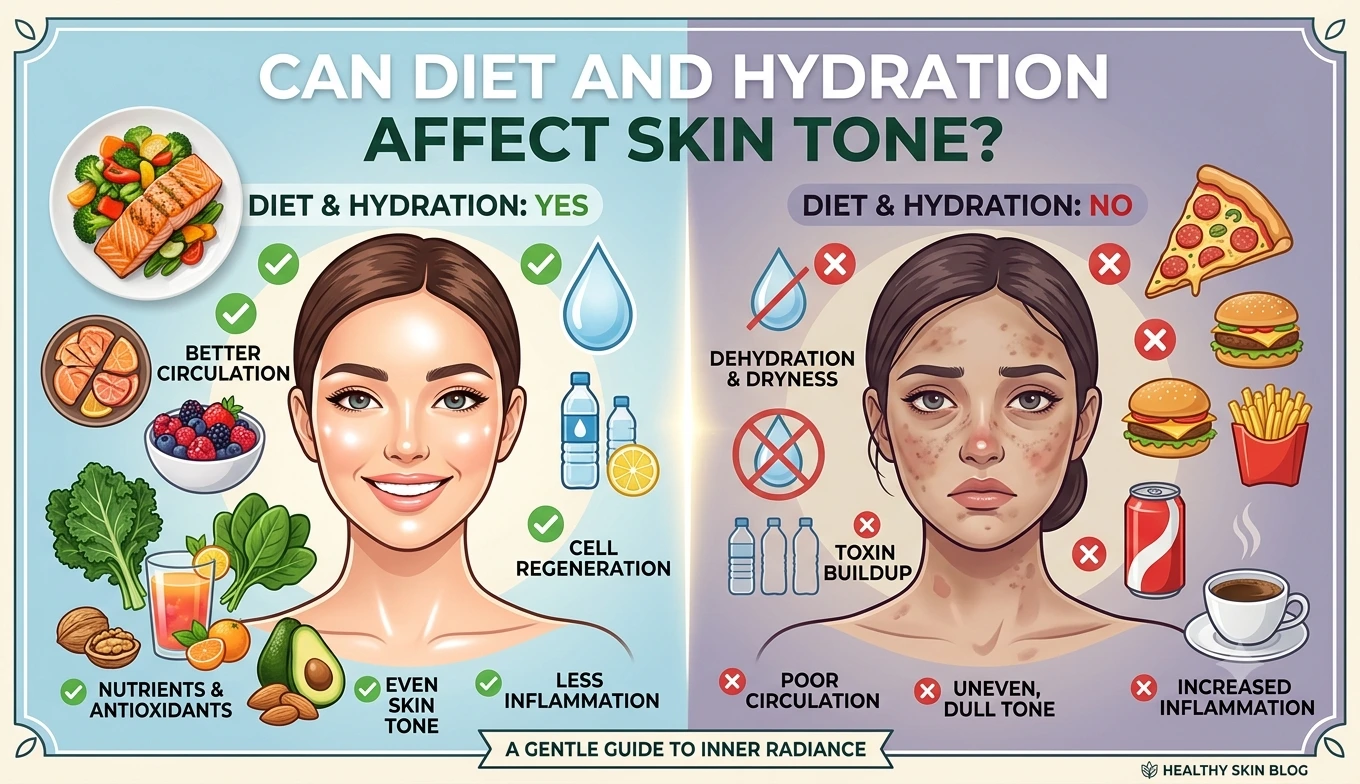
Can Diet and Hydration Affect Skin Tone?
Yes, diet and hydration can affect skin tone. What you eat and how much water you drink both influence circulation, cell turnover and how evenly pigment sits in the skin. Poor hydration can leave skin looking dull and grey, while nutrient gaps can slow the renewal process that keeps tone looking fresh and even. For clients dealing with uneven pigmentation or a lacklustre complexion, addressing diet and hydration is a useful starting point, but professional support often makes the biggest visible difference. Treatments such as the Trexyne Peel work alongside these lifestyle foundations, using a mechanical resurfacing approach to support smoother, more even-looking skin from the outside in.
This article looks at how nutrition and water intake shape skin tone, what practitioners should watch for in clients, and how in-clinic treatments can support the results that diet alone cannot always deliver.
What Determines Skin Tone in the First Place
Skin tone is shaped by several layered factors. Genetics sets the baseline amount and distribution of melanin. Blood flow beneath the surface adds warmth and colour. The condition of the outer skin layer, including how much dead skin sits on the surface, affects how light reflects and how tone appears to the eye.
The Role of the Skin Barrier
A compromised skin barrier can make tone look patchy or uneven. When the barrier is under strain, from dehydration, weather, or poor diet, the skin often looks duller and less uniform. Supporting the barrier is one reason hydration and nutrition matter so much for how tone presents day to day.
Why Tone Can Look Different From Week to Week
Clients often notice their skin tone shifting depending on sleep, stress, water intake and diet that week. This is normal. Skin is responsive tissue, and short-term lifestyle factors can show up quickly on the surface, particularly around the cheeks, forehead and under the eyes.
How Hydration Affects Skin Tone
Water intake plays a direct role in how skin looks. Skin cells need adequate hydration to function well, and when the body is even mildly dehydrated, skin can appear thinner, greyer and less plump.
Dehydration and Dullness
When skin lacks water, it loses some of its natural light-reflecting quality. This is often described by clients as looking “tired” or “flat,” even when they have slept well. Rehydrating consistently over several days can visibly lift this dullness for many people.
Puffiness and Uneven Colour
Ironically, not drinking enough water can also cause the body to retain fluid in some areas, which may contribute to puffiness and shadowing, particularly around the eyes. This can make tone look uneven even when pigmentation itself has not changed.
Practical Hydration Guidance for Clients
Encourage clients to spread water intake evenly through the day rather than drinking large amounts at once. Herbal teas and water-rich foods such as cucumber and melon can also contribute to overall hydration levels.
Nutritional Factors That Influence Skin Tone
Diet supplies the building blocks skin needs for renewal and repair. Certain nutrient patterns are associated with brighter, more even-looking skin, while others can be linked to dullness or increased visibility of blemishes and pigmentation.
Vitamin C and Skin Brightness
Vitamin C is associated with collagen support and may help skin look brighter over time. Citrus fruits, peppers and leafy greens are commonly recommended dietary sources.
Antioxidant-Rich Foods
Berries, dark leafy vegetables and colourful produce generally contain antioxidants that may help protect skin cells from everyday environmental stress. A diet consistently low in these foods can be associated with skin that looks more tired or uneven.
Healthy Fats and Skin Radiance
Omega-3 fatty acids, found in oily fish, walnuts and flaxseed, are often linked to skin that looks more supple and less prone to dryness-related dullness.
Sugar, Processed Foods and Skin Appearance
Diets high in refined sugar and heavily processed foods are sometimes associated with inflammation, which can affect how even skin tone appears. This does not mean occasional treats cause lasting damage, but a consistently poor diet can show up gradually on the skin’s surface.
The Gut-Skin Relationship
There is growing professional interest in the connection between gut health and skin appearance. While this is not a simple cause-and-effect relationship, many practitioners observe that clients who report digestive discomfort also mention skin concerns such as dullness or breakouts.
Fibre and Skin Clarity
A diet with adequate fibre supports regular digestion, which some practitioners associate with clearer, more even-looking skin over time.
Fermented Foods and Skin Balance
Foods such as yoghurt, kefir and other fermented options are commonly discussed in relation to gut balance, which some clients associate with improvements in skin clarity and tone.
Sleep, Stress and Their Indirect Effect on Tone
Diet and hydration do not act alone. Sleep and stress levels interact closely with nutrition to influence how skin looks day to day.
Cortisol and Skin Appearance
Chronic stress is associated with elevated cortisol, which some research links to changes in skin barrier function and inflammation. This can compound the effects of poor diet or dehydration on tone.
Sleep Quality and Skin Renewal
Skin undergoes much of its repair overnight. Poor sleep, alongside poor hydration, can leave skin looking greyer and less refreshed the following day.
Why Diet and Hydration Alone Often Are Not Enough
Improving diet and hydration is a valuable foundation, but many clients still notice areas of uneven tone, textural dullness or visible dead skin buildup that lifestyle changes alone do not fully resolve. This is where professional treatment becomes useful.
The Limits of a Nutrition-Only Approach
Nutrition supports skin from within, but it does little to address the surface layer of dead skin cells that can sit on the face and dull its appearance. Removing this layer requires a physical or mechanical approach, not dietary change.
Where In-Clinic Treatment Fits In
For clients who have already improved hydration and diet but still see uneven tone, a professional resurfacing treatment can offer a more visible and immediate improvement. This is where the Trexyne Peel becomes relevant as part of a wider skin tone strategy.
How the Trexyne Peel Supports a More Even Skin Tone
The Trexyne Peel is a professional botanical treatment built around marine-algae spicules and stabilised Vitamin E. It works through a purely mechanical mechanism, creating controlled micro-channels in the skin without the use of acids or chemical exfoliants.
A Mechanical, Not Chemical, Approach
Because the Trexyne Peel relies on marine-algae spicules rather than chemical exfoliation, it offers a resurfacing option for practitioners who want predictable results without the variables associated with chemical penetration. This mechanical action helps refine the skin’s surface, which may support a more even and refreshed appearance.
Vitamin E Support for Recovery
The stabilised tocopherol infused into the treatment is designed to support the skin’s recovery phase from the first application. This is particularly relevant for clients whose skin tone concerns are linked to a compromised or reactive barrier.
A Tiered Protocol for Different Skin Types
The Trexyne Peel uses a tiered protocol, allowing practitioners to match treatment intensity to the client’s skin type and downtime expectations. This makes it suitable for a wide range of clients, from those with sensitive skin to those wanting a more noticeable resurfacing result.
Professional-Only Application
Trexyne Peel is sold strictly to verified practitioners and clinics. This ensures the treatment is applied with appropriate skill and assessment, which supports safer and more predictable outcomes for clients concerned about tone and texture. Clinics interested in stocking the range can explore the full shop or get in touch via the contact page for further guidance.
Building a Complete Approach to Skin Tone
The most effective strategy for supporting even skin tone combines daily lifestyle habits with periodic professional treatment.
At-Home Habits That Support Tone
Encourage clients to maintain consistent hydration, prioritise nutrient-dense meals, manage stress where possible, and protect skin from sun exposure using appropriate SPF. These habits create a stable foundation for skin to look its best.
The Role of Regular Professional Treatment
Layering in periodic treatments such as the Trexyne Peel can help address concerns that home care alone cannot fully resolve. A tiered protocol means practitioners can plan a treatment course that suits the client’s goals and skin type, rather than relying on a single approach for everyone.
Setting Realistic Client Expectations
It is worth reminding clients that skin tone improvements happen gradually. Diet and hydration changes typically show results over several weeks, and professional treatments work best as part of an ongoing plan rather than a one-off fix. Practitioners can find more information on the full treatment range at Trexyne.
Conclusion
Diet and hydration genuinely influence how skin tone appears day to day. Dehydration can leave skin looking dull and uneven, while nutrient gaps may slow the renewal process that keeps tone looking fresh. Sleep and stress also play a supporting role, often amplifying the effects of poor diet or low water intake. For many clients, however, lifestyle changes alone do not fully address visible dullness or uneven texture. A professional resurfacing treatment such as the Trexyne Peel, working through its mechanical marine-algae mechanism and Vitamin E support, can complement these habits and help clients achieve a brighter, more even-looking complexion as part of a wider skincare strategy.
FAQ
Q: Can drinking more water improve my skin tone?
Drinking enough water can help skin look less dull and more plump, as hydration supports the skin’s natural function. It is not a guaranteed fix for pigmentation, but it can noticeably improve the overall appearance of tone within a few days for many people.
Q: What foods help even out skin tone?
Foods rich in vitamin C, antioxidants and healthy fats, such as citrus fruits, berries, leafy greens and oily fish, are commonly associated with brighter and more even-looking skin. A balanced diet over time tends to have a more noticeable effect than any single food.
Q: Why does my skin look dull even though I eat well?
Diet supports skin from within, but a layer of dead skin cells on the surface can still cause dullness regardless of nutrition. This is often where a professional resurfacing treatment, such as the Trexyne Peel, can help by physically refining the skin’s texture.
Q: Is the Trexyne Peel suitable for uneven skin tone?
The Trexyne Peel uses marine-algae spicules to create controlled micro-channels in the skin through a mechanical process, which may support a more even and refreshed appearance. It is applied by trained professionals as part of a tiered protocol matched to skin type.
Q: How long does it take for diet changes to show on skin tone?
Most practitioners advise clients to allow several weeks of consistent dietary changes before expecting visible results. Skin renewal is a gradual process, so patience and consistency tend to produce better outcomes than short-term changes.
Q: Can dehydration cause dark circles or uneven colour under the eyes?
Yes, dehydration can contribute to a duller, more shadowed appearance under the eyes for some people. Maintaining steady water intake throughout the day may help reduce this effect alongside adequate sleep.
Q: Does the Trexyne Peel involve any chemical exfoliation?
No, the Trexyne Peel is not a chemical peel. It works exclusively through a mechanical mechanism using marine-algae spicules, without the use of acids or chemical exfoliants, making it a distinct option within professional resurfacing treatments.