How Many Peel Sessions Are Needed for Visible Results?
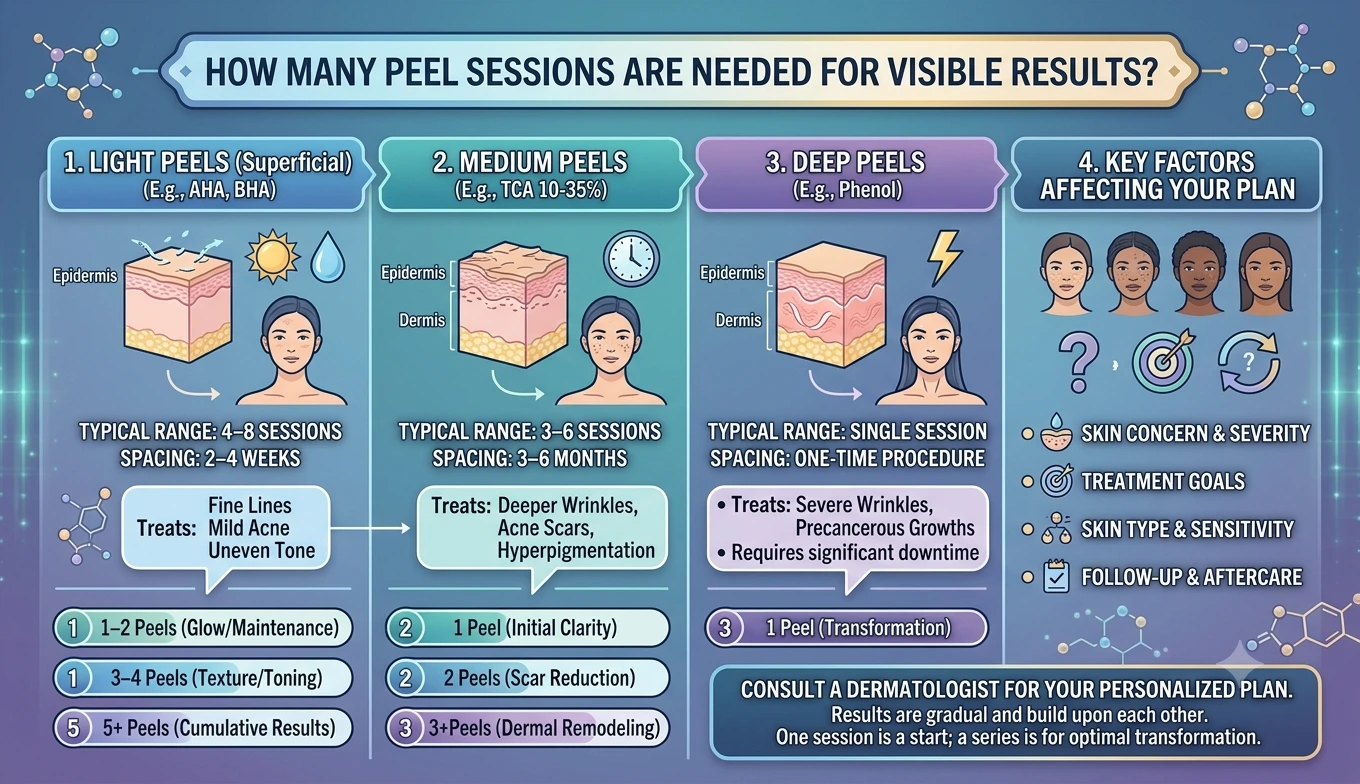
Most clients see the first visible changes after two to three sessions, with fuller results building across a course of four to six treatments. The exact number depends on skin type, the concern being treated, and the intensity level your practitioner selects. The Trexyne Peel uses a tiered protocol, which means the treatment plan can be adjusted session by session rather than following a fixed formula. This flexibility is one of the main reasons practitioners can set realistic expectations from the very first consultation, rather than guessing at how skin will respond.
This is one of the most common questions clients ask before committing to a course of treatment, and it deserves a proper answer rather than a vague estimate. Understanding what shapes the timeline, and what a practitioner is actually watching for at each stage, helps both the professional delivering the treatment and the client receiving it feel confident in the plan ahead.
Why Results Build Gradually Rather Than Overnight
Skin renewal is a process, not a single event. The outer layers of skin turn over on a cycle that typically takes several weeks, and this cycle tends to slow down with age, sun exposure, and general wear on the skin barrier. A single resurfacing session can kickstart that renewal process, but it rarely completes it.
This is why professionals frame peel programmes in terms of sessions rather than one visit. Each treatment builds on the last, refining texture and tone incrementally. Clients who understand this from the outset tend to be more satisfied with their results, because they are not expecting a dramatic transformation from a single appointment.
It helps to think of a peel course the same way you might think of any structured skin renewal plan. Small, cumulative changes tend to be more sustainable and more even-looking than a single intense intervention. Clients who are used to more aggressive treatments sometimes need a little reassurance that gradual is not the same as ineffective. In fact, a paced approach often supports a more comfortable recovery between sessions, which in turn supports better long-term results.
The Role of the Skin Cycle
Because new skin cells need time to reach the surface, visible improvements often lag slightly behind the treatment itself. A client may feel smoother skin within days, but the more noticeable brightening or evening of tone can take one to two weeks to fully show. Spacing sessions appropriately allows this natural cycle to complete before the next treatment is applied.
Practitioners who rush the schedule, treating skin again before the previous cycle has had time to settle, may find that results appear less consistent overall. This is one of the reasons a tiered protocol tends to perform better than a rigid, one-size-fits-all schedule. It allows enough breathing room for the skin’s own biology to do its work between appointments.
Why Patience Pays Off
Clients sometimes want to compress a course into as few weeks as possible, particularly ahead of an event. While intensity and spacing can be adjusted to suit a timeline, skin still needs a minimum amount of time between sessions to recover properly. Explaining this clearly, and early, helps avoid disappointment and keeps the treatment plan realistic.
What Affects the Number of Sessions Needed
No two clients respond identically, and several factors influence how many sessions a treatment plan should include.
Skin Type and Sensitivity
Thicker, more resilient skin often tolerates a slightly higher intensity from the start, which can mean fewer sessions are needed to reach a visible milestone. Sensitive or reactive skin usually benefits from a gentler introduction, with intensity increased gradually across sessions. This is where the tiered nature of a professional protocol matters, since it lets a practitioner match the approach to the individual rather than applying a one-size-fits-all method.
Skin that has been previously over-treated, whether through frequent use of harsh actives or aggressive in-clinic procedures, may also need a more conservative starting point. Practitioners often ask about a client’s recent skincare history before deciding on an opening intensity, since this can meaningfully affect how quickly visible progress builds.
The Concern Being Treated
Superficial concerns such as dullness or mild unevenness in tone tend to respond more quickly than deeper-set concerns like textural roughness built up over years. A client seeking a refreshed look before an event may need fewer sessions than someone working through a longer-term plan for overall skin renewal.
Concerns that have developed gradually, over months or years, generally take a more sustained course to address than concerns that appeared more recently. This is simply a reflection of how much renewal work the skin has to do to catch up. Setting expectations around this early avoids the common frustration of comparing a long-standing concern to a quick fix.
Consistency Between Appointments
Skipping appointments or leaving long gaps between sessions can slow progress, because the skin does not build on previous renewal in the same continuous way. A consistent schedule, agreed with your practitioner, tends to produce more predictable and visible outcomes.
Life inevitably gets in the way of even the best-laid treatment plans, but practitioners can help by building in some flexibility from the start. Agreeing on an ideal schedule alongside an acceptable range for rescheduling helps keep clients on track without adding pressure.
Lifestyle and Environmental Factors
Sun exposure, smoking, and general skin barrier health all play a role in how quickly visible results appear. Clients who protect their skin diligently between sessions, particularly with daily sun protection, often see more consistent progress than those who do not. This is worth discussing during a consultation, since small changes to daily habits can meaningfully support the results of a professional treatment plan.
A Typical Session Timeline
While every treatment plan should be personalised, many practitioners work to a general timeline when introducing the Trexyne Peel to a new client.
Sessions One and Two: Assessment and Introduction
The earliest sessions are often about assessing how the skin responds. A practitioner may begin at a lower intensity to observe recovery and comfort levels. Clients sometimes notice smoother texture at this stage, though visible brightening is usually still building.
This early phase is also an opportunity to fine-tune aftercare advice based on how the individual’s skin reacts. Some clients recover faster than expected and are candidates for a slightly higher intensity at the next visit, while others need a little longer to settle before progressing.
Sessions Three and Four: Visible Momentum
By the third or fourth session, many clients begin to see more consistent changes, including a more even-looking tone and refined texture. This is often the stage where intensity may be adjusted upward, based on how well the skin has tolerated earlier treatments.
This is typically the point in a course where client confidence grows, since the improvements are more noticeable and less easily attributed to normal day-to-day variation in the skin. Photographic comparisons taken at this stage often show a clear difference from the initial baseline images.
Sessions Five and Six: Consolidating Results
Later sessions in a course tend to consolidate the progress made earlier, helping the improvements feel more settled rather than transient. Some clients choose to continue with periodic maintenance sessions after this point, while others pause and reassess with their practitioner.
By this stage, many clients have a clear sense of how their skin responds to treatment, which makes planning any future sessions considerably more straightforward. Practitioners can also use this stage to discuss a longer-term maintenance schedule if the client wishes to sustain their results.
Why a Mechanical Mechanism Supports a Structured Programme
The Trexyne Peel works through marine-algae spicules that create controlled micro-channels in the skin’s surface, rather than relying on chemical exfoliants. This mechanical approach is part of what allows practitioners to plan a tiered protocol with more confidence, since intensity is adjusted through the physical application rather than through varying chemical concentrations. There are no acids involved in this process, which means the treatment plan can be structured around physical resurfacing and recovery, rather than chemical penetration depth.
This distinction matters for anyone comparing peel programmes, because it changes how a course of treatment is designed. A mechanical resurfacing approach can be layered gradually, with each session building on the physical renewal encouraged by the last.
How Intensity Is Adjusted Session by Session
Because the mechanism is physical rather than chemical, practitioners have a tangible, controllable variable to work with at each appointment. This tends to make it easier to explain the treatment plan to clients in straightforward terms, since adjustments are about the physical application rather than shifting concentrations of an active ingredient.
Predictable Downtime as Part of the Plan
A tiered protocol also supports predictable downtime, which matters just as much as visible results when planning a course of sessions. Clients with busy schedules can be matched to an intensity level that suits their lifestyle, without needing to compromise on the overall structure of the treatment plan.
Supporting Skin Recovery Between Sessions
Visible results are not only about the treatment itself. What happens between sessions plays a meaningful role in how quickly and how well the skin responds.
The Role of Vitamin E
The Trexyne Peel is infused with stabilised tocopherol, a form of Vitamin E that can support the skin’s recovery phase from the very first application. This is one reason clients may notice a settled, comfortable feel to their skin soon after treatment, even while deeper renewal continues over the following days.
Because this Vitamin E element is built into the formulation itself, it works alongside the mechanical resurfacing process, rather than needing to be applied separately as part of aftercare. This can make it easier for clients to stay consistent with their recovery routine, since one of the key supportive elements is already part of the treatment.
Everyday Habits That Support Results
Sun protection, gentle cleansing, and avoiding harsh actives between sessions can all help skin make the most of each treatment. Practitioners often provide simple aftercare guidance tailored to the intensity level used, since skin is naturally more responsive to its environment in the days following a resurfacing session.
Simple habits, such as using a fragrance-free moisturiser and avoiding prolonged sun exposure in the days after treatment, can make a noticeable difference to how comfortably skin recovers. Clients who follow this guidance consistently often report smoother progress across their course.
Hydration and Barrier Support
Keeping the skin barrier well hydrated between sessions supports the overall renewal process and can make each subsequent treatment more comfortable. Practitioners may recommend a simple, barrier-supporting routine during the course, avoiding anything overly active or potentially irritating.
Setting Realistic Expectations With Clients
One of the most valuable things a practitioner can do is manage expectations before the first session begins. Explaining that results build across a course, rather than appearing after one visit, helps clients stay committed to their plan and reduces the likelihood of disappointment.
Photographic Tracking
Many practitioners recommend taking consistent photographs before each session, using the same lighting and angle. This makes gradual changes easier to see, since day-to-day differences in skin can be subtle even when a course is progressing well.
Comparing session one images against session four or five images side by side is often the moment a client truly appreciates how far their skin has come, even if they felt the day-to-day changes were subtle in between.
Discussing Downtime Alongside Results
Because the Trexyne Peel is designed around predictable downtime, practitioners can also set expectations around recovery time alongside visible results. A tiered protocol means downtime can be matched to a client’s lifestyle, whether they need to return to work quickly or have more flexibility to allow skin to settle.
Managing Expectations Around Events
Clients preparing for a wedding, holiday, or other event often ask how early they should start a course of treatment. As a general guide, starting several weeks ahead allows enough time for a short course of sessions, along with the recovery time each one needs, well before the date in question. Leaving this too late is one of the most common reasons clients feel disappointed with their results, simply because the skin has not had enough time to complete its renewal cycle.
When to Reassess the Treatment Plan
Even a well-designed programme should be reviewed periodically. If a client is not seeing the progress expected after several sessions, this is usually a sign to reassess intensity, spacing, or aftercare, rather than a reason to abandon the approach altogether.
Adjusting Intensity Mid-Course
Because the protocol is tiered, practitioners have room to adjust intensity partway through a course if the skin is tolerating treatment well and progress feels slower than hoped. Equally, if skin needs more recovery time, spacing between sessions can be extended without undermining the overall plan.
Knowing When Results Have Plateaued
Once a course of sessions has achieved a visibly more even and refined complexion, some clients move to a maintenance schedule rather than continuing frequent treatments. This helps sustain results without over-treating the skin.
Reviewing Aftercare Habits
If progress does seem slower than expected, it is worth revisiting aftercare habits alongside the in-clinic protocol. Inconsistent sun protection or the reintroduction of harsh actives between sessions can quietly undo some of the progress a treatment plan is working to achieve.
Building a Long-Term Renewal Routine
For many clients, an initial course of the Trexyne Peel becomes the foundation for an ongoing skin renewal routine, with periodic sessions scheduled every few months to help maintain results. This approach treats the peel programme as part of a broader relationship with a trusted practitioner, rather than a one-off intervention.
A well-planned maintenance schedule can help preserve the improvements made during the initial course, without needing the same frequency of appointments. Many practitioners find that spacing maintenance sessions further apart, once initial goals have been met, works well for most clients while still supporting a consistently even-looking complexion over time.
Clinics offering the Trexyne Peel can review the full range of professional treatment options through the Trexyne shop, and can reach out through the Trexyne contact page for guidance on building a treatment plan suited to their client base. For more on the brand’s approach to professional skin renewal, visit the Trexyne homepage.
Communicating the Plan Clearly to Clients
Part of delivering a successful course of treatment is communicating the plan clearly from the outset. Clients who understand roughly how many sessions to expect, what progress looks like at each stage, and what role their own habits play tend to have a smoother experience overall.
Written Treatment Plans
Providing a simple written summary of the proposed number of sessions, spacing, and expected milestones can help clients feel more confident and informed. It also gives the practitioner a useful reference point for reviewing progress at each appointment.
Encouraging Questions Throughout the Course
Clients often have questions partway through a course, particularly if they feel results are appearing more slowly than expected. Encouraging open communication throughout, rather than only at the initial consultation, helps address concerns early and keeps the treatment plan on track.
Common Misconceptions About Session Numbers
There are a few misconceptions that come up regularly when clients research peel treatments before booking a consultation. Addressing these directly can help set a more accurate picture of what to expect.
More Sessions Does Not Always Mean More Intensity
Some clients assume that a longer course automatically means stronger, more aggressive treatment throughout. In practice, a well-designed tiered protocol often starts gently and increases intensity gradually, meaning the earlier sessions in a course may be considerably milder than the later ones. The total number of sessions reflects a gradual build, not a fixed level of intensity repeated each time.
One Size Does Not Fit All Concerns
It is also a common misconception that every concern responds to the same number of sessions. A client treating mild dullness may see satisfying results in fewer sessions than a client working on more established textural concerns. Comparing timelines between friends or online reviews can therefore be misleading, since individual starting points vary considerably.
Results Are Not Always Linear
Clients sometimes expect each session to produce an equal, incremental improvement over the last. In reality, some sessions may show more visible change than others, particularly around the midpoint of a course when the skin’s renewal cycle catches up with several earlier treatments. This is a normal part of the process rather than a sign that something has gone wrong.
How Practitioners Track Progress Across a Course
Beyond photographs, many practitioners use a simple assessment at each appointment to track how a client’s skin is progressing relative to their treatment plan. This might include a brief visual assessment of tone and texture, along with a conversation about how the skin has felt and behaved since the last session.
Adjusting the Plan Based on Feedback
Client feedback between sessions is a valuable part of tracking progress. If a client mentions that their skin felt more sensitive than expected after a particular session, this information helps the practitioner fine-tune the next stage of the plan. Equally, if recovery felt easy and comfortable, this may support a slightly more assertive approach at the next appointment.
The Value of a Documented Protocol
Keeping clear notes on the intensity level used, the client’s response, and any adjustments made at each session creates a useful record for both the practitioner and the client. This documentation makes it much easier to plan future maintenance sessions accurately, since the practitioner has a clear picture of what has worked well for that particular client.
Choosing a Practitioner Who Understands Tiered Protocols
Because the number of sessions needed depends so heavily on an individualised approach, choosing a practitioner who is comfortable adjusting a treatment plan is important. A rigid, one-size-fits-all approach to any resurfacing treatment is less likely to produce the kind of consistent, visible results that a properly tiered protocol can offer.
Clients considering a course of treatment are encouraged to ask questions during their consultation about how many sessions might be needed for their specific concern, and how the practitioner plans to adjust intensity across the course. A confident, clear answer to these questions is often a good sign of a well-considered treatment plan.
Conclusion
The number of sessions needed for visible results depends on skin type, the concern being addressed, and how consistently appointments are scheduled. Most clients begin noticing changes within two to three sessions, with fuller results developing across a course of four to six treatments. Because the Trexyne Peel works through a mechanical mechanism using marine-algae spicules, rather than chemical exfoliation, practitioners can adjust intensity gradually and structure a programme suited to each individual. Supported by stabilised Vitamin E to aid the skin’s recovery phase, this tiered approach may help clients achieve a brighter, more even-looking complexion over time, with predictable downtime built into every stage of the plan.
Frequently Asked Questions
Q: How many sessions does it usually take to see visible results from a botanical peel?
Most clients begin to notice initial changes after two to three sessions, with more consistent results building across four to six treatments as part of a structured course.
Q: Can the number of peel sessions be adjusted based on how my skin responds?
Yes. Because the protocol is tiered, practitioners can adjust intensity and spacing between sessions based on how well the skin tolerates and responds to each treatment.
Q: Is it normal not to see results after just one peel session?
Yes, this is common. Skin renewal happens gradually, so a single session often starts the process without producing a dramatic visible change right away.
Q: How far apart should peel sessions be scheduled for the best results?
Spacing depends on the individual treatment plan, though many practitioners schedule sessions with enough time between them to allow the skin’s natural renewal cycle to progress before the next treatment.
Q: Does skin type affect how many sessions are needed?
Yes. Thicker or more resilient skin may show visible progress in fewer sessions, while sensitive skin often benefits from a slower, more gradual approach across a longer course.
Q: Will I need ongoing maintenance sessions after completing a full course?
Many clients choose periodic maintenance sessions every few months after their initial course to help sustain results, though this is decided together with a practitioner based on individual goals.
Q: Is downtime the same for every session in a treatment course?
Not necessarily. Because intensity can be adjusted throughout a tiered protocol, downtime may vary slightly from session to session depending on the level used and how the skin is recovering.