What Foods Help Improve Skin Pigmentation?
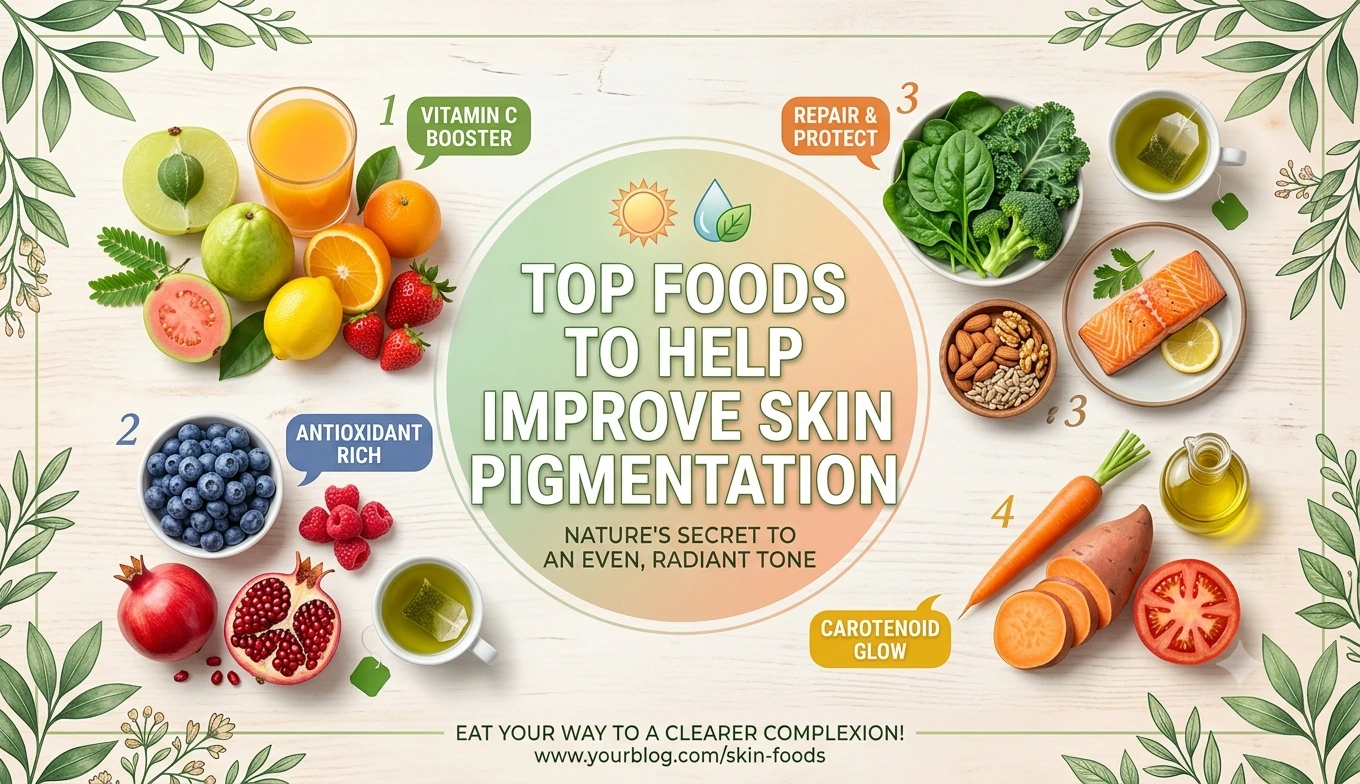
Foods rich in vitamin C, vitamin E, omega-3 fatty acids and polyphenols may help support a more even skin tone from within, though diet alone rarely resolves stubborn pigmentation on its own. These nutrients help protect skin cells, calm inflammation and support the skin’s natural renewal process, all of which play a part in how pigmentation behaves over time. For clients dealing with persistent dark spots, melasma or post-inflammatory marks, combining a pigmentation-conscious diet with a professional in-clinic treatment such as the Trexyne Peel tends to give far more visible and lasting results than nutrition changes alone. This guide walks through the foods worth recommending to clients, why they matter, and where professional treatment fits into the bigger picture.
Understanding Skin Pigmentation and What Influences It
Pigmentation is the result of melanin production within the skin, a process controlled by melanocytes and influenced by a wide range of internal and external triggers. UV exposure is the most well known driver, but hormonal fluctuation, inflammation, certain medications and even everyday stress can all nudge melanin production into overdrive in specific areas.
For practitioners, it helps to explain to clients that pigmentation is rarely caused by one single factor. Someone with melasma linked to hormonal changes will have a different underlying picture to someone with post-inflammatory hyperpigmentation from acne scarring or a previous injury. Diet sits alongside these other factors as a supporting influence rather than the primary cause, which is an important distinction to make when setting expectations.
Why Nutrition Matters Alongside Topical and In-Clinic Care
Nutrition affects the skin from the inside out. It cannot replace targeted treatment, but it can create a better internal environment for skin renewal to happen. Antioxidant-rich foods help reduce oxidative stress, which is closely linked to uneven melanin distribution, while anti-inflammatory foods may calm the kind of low-grade inflammation that so often precedes a fresh patch of pigmentation.
Vitamin C Rich Foods and Their Support for an Even Skin Tone
Vitamin C is one of the most researched nutrients in relation to skin brightness and tone. It plays a role in collagen production and is associated with helping to manage the oxidative stress that can worsen uneven pigmentation.
Foods worth recommending to clients include:
- Citrus fruits such as oranges, lemons and grapefruit
- Red and yellow peppers
- Kiwi fruit
- Strawberries
- Broccoli and Brussels sprouts
Encouraging a client to include a vitamin C source with most meals is a simple, low-effort recommendation that fits into most existing diets without much disruption.
Vitamin C and the Skin’s Natural Defence System
Vitamin C works as part of the skin’s antioxidant network, helping to neutralise free radicals generated by UV exposure and pollution. Since free radical damage is closely tied to the kind of oxidative stress that can trigger excess melanin production, a diet consistently low in vitamin C may leave the skin more vulnerable to visible pigmentation over time.
Vitamin E and Its Role in Skin Recovery
Vitamin E is another nutrient closely associated with skin health, working alongside vitamin C as part of the body’s antioxidant defences. It is also a key ingredient within the Trexyne Peel formulation itself, where stabilised tocopherol is included to support the skin’s recovery phase after treatment.
Dietary sources of vitamin E include:
- Almonds and sunflower seeds
- Avocado
- Spinach and other dark leafy greens
- Wheatgerm and fortified cereals
Supporting Recovery From the Inside and the Outside
When a client eats a diet that includes regular vitamin E sources and also receives a treatment that delivers vitamin E directly to the skin, such as the Trexyne Peel, the two approaches complement each other. One supports general skin resilience over time, while the other supports the skin’s recovery phase immediately following a resurfacing treatment.
Omega-3 Fatty Acids and Skin Barrier Function
A healthy skin barrier is closely linked to how evenly the skin heals and renews itself. Omega-3 fatty acids are associated with reduced inflammation throughout the body, and a calmer inflammatory response may help reduce the likelihood of post-inflammatory pigmentation developing after breakouts, irritation or minor skin trauma.
Good sources of omega-3 include:
- Oily fish such as salmon, mackerel and sardines
- Walnuts and flaxseeds
- Chia seeds
- Algae-based supplements for those following a plant-based diet
Why Inflammation and Pigmentation Are So Closely Linked
Any time the skin experiences inflammation, whether from a spot, a scratch or an aggressive product, melanocytes in the surrounding area can become more active as part of the healing response. This is why acne-prone clients so often end up with dark marks left behind long after a spot has cleared. Supporting a lower baseline level of inflammation through diet may help reduce how often this happens.
Polyphenol Rich Foods and Their Protective Role
Polyphenols are plant compounds found in a wide range of colourful fruits, vegetables and beverages. They are associated with strong antioxidant activity and may offer some protection against the type of environmental damage that contributes to uneven pigmentation.
Foods and drinks rich in polyphenols include:
- Green tea
- Dark berries such as blueberries and blackberries
- Pomegranate
- Dark chocolate with a high cocoa content
- Red grapes
Green Tea as a Simple Daily Habit
Green tea is often one of the easiest polyphenol sources to recommend because it requires no dietary overhaul, just a simple swap from another hot drink. Its antioxidant content has made it a popular subject of skin health research, and many practitioners suggest it as an easy addition for clients looking to support their skin from the inside.
Hydration and Its Impact on Skin Clarity
Hydration is often overlooked when discussing pigmentation, yet it plays a meaningful role in overall skin clarity and texture. Well hydrated skin tends to look brighter and more even, while dehydrated skin can appear dull, which sometimes makes existing pigmentation look more pronounced than it actually is.
Encouraging clients to drink adequate water throughout the day, alongside water-rich foods such as cucumber, watermelon and celery, supports skin function generally and helps maintain a healthy-looking complexion alongside any professional treatment plan.
Foods to Approach With Caution for Pigmentation-Prone Skin
While no food should be labelled as strictly forbidden, some dietary patterns are worth discussing carefully with clients who are actively managing pigmentation concerns.
- High sugar diets are associated with increased inflammation, which may worsen post-inflammatory pigmentation
- Excessive alcohol consumption can affect hydration and general skin resilience
- Highly processed foods often lack the antioxidants needed to support the skin’s natural defences
This is not about strict restriction, but about helping clients understand that a generally balanced diet supports better outcomes alongside professional treatment.
Why Diet Alone May Not Be Enough
Diet can support skin health, but it cannot resurface the skin, break down existing pigmented cells or accelerate the shedding of already-damaged surface layers in the way a professional treatment can. Many clients come into clinic having already tried dietary changes and are looking for a more visible, faster result.
This is where a professional resurfacing treatment such as the Trexyne Peel becomes valuable. It works through a mechanical mechanism using marine-algae spicules to create controlled micro-channels in the skin, encouraging renewal without relying on acids or chemical exfoliants. For clients who want a treatment plan that feels predictable and professionally managed, this tiered approach allows the practitioner to match treatment intensity to the client’s skin type and expectations.
Setting Realistic Expectations With Clients
It is worth reminding clients that pigmentation improvement, whether through diet, topical care or in-clinic treatment, takes time and consistency. Melanin turnover follows the skin’s natural renewal cycle, so visible change tends to build gradually across a course of sessions rather than appearing overnight.
Combining Nutrition With Professional In-Clinic Care
The most effective approach for pigmentation-prone clients tends to combine sensible nutrition with a structured in-clinic treatment plan. A diet rich in vitamin C, vitamin E, omega-3s and polyphenols supports the skin’s internal resilience, while a professional treatment like the Trexyne Peel addresses the visible pigmentation directly through its botanical, mechanical mechanism.
Practitioners looking to bring this treatment into their clinic can browse the full range in the Trexyne shop, where the peel is available in single treatment or course sizes. For clinics wanting more detail on protocols, tiering and client suitability, the team at Trexyne is available to answer specific practitioner questions before ordering.
Conclusion
Skin pigmentation is influenced by a mix of factors, including UV exposure, hormonal changes, inflammation and everyday lifestyle habits, with diet playing a genuine but supporting role rather than acting as a standalone fix. Foods rich in vitamin C, vitamin E, omega-3 fatty acids and polyphenols may help support the skin’s natural defences and reduce some of the inflammatory triggers linked to uneven tone. For clients looking for a more visible and reliable improvement, pairing these dietary habits with a professional treatment such as the Trexyne Peel offers a practical way forward. Its botanical, mechanical approach works to resurface and refine the skin without acids or chemical exfoliants, supporting a brighter, more even-looking complexion as part of a wider, practitioner-guided pigmentation plan.
Frequently Asked Questions
Q: Can eating more vitamin C rich foods actually reduce dark spots on the skin?
Vitamin C may support the skin’s antioxidant defences and is associated with a more even-looking tone over time, but dietary changes alone are unlikely to fully resolve established dark spots. Combining nutrition with a professional treatment tends to give more noticeable results.
Q: How long does it take for diet changes to show a visible difference in skin pigmentation?
Because skin renewal follows a natural cycle, most dietary changes take several weeks or longer to show any visible difference, and results are usually gradual rather than dramatic.
Q: Are there specific foods that make melasma worse?
No single food is directly responsible for melasma, since it is primarily linked to hormonal factors and UV exposure. However, diets high in sugar and processed foods may contribute to inflammation, which can make existing pigmentation more noticeable.
Q: Is the Trexyne Peel suitable for clients with melasma?
The Trexyne Peel is a professional-only treatment designed to be used by trained practitioners, who can assess individual skin concerns, including melasma, and tailor the treatment tier accordingly.
Q: Does the Trexyne Peel use chemical exfoliants like other peels?
No. The Trexyne Peel works through a purely botanical, mechanical mechanism using marine-algae spicules to create controlled micro-channels, without the use of acids or chemical exfoliants.
Q: Can hydration alone improve the appearance of pigmentation?
Good hydration supports overall skin clarity and can make the complexion look brighter, but it does not directly target existing pigmented areas in the way a professional resurfacing treatment can.
Q: How can a clinic start offering the Trexyne Peel to clients?
Practitioners can view treatment options through the Trexyne shop or get in touch with the team via the Trexyne contact page for guidance on protocols and suitability before ordering.