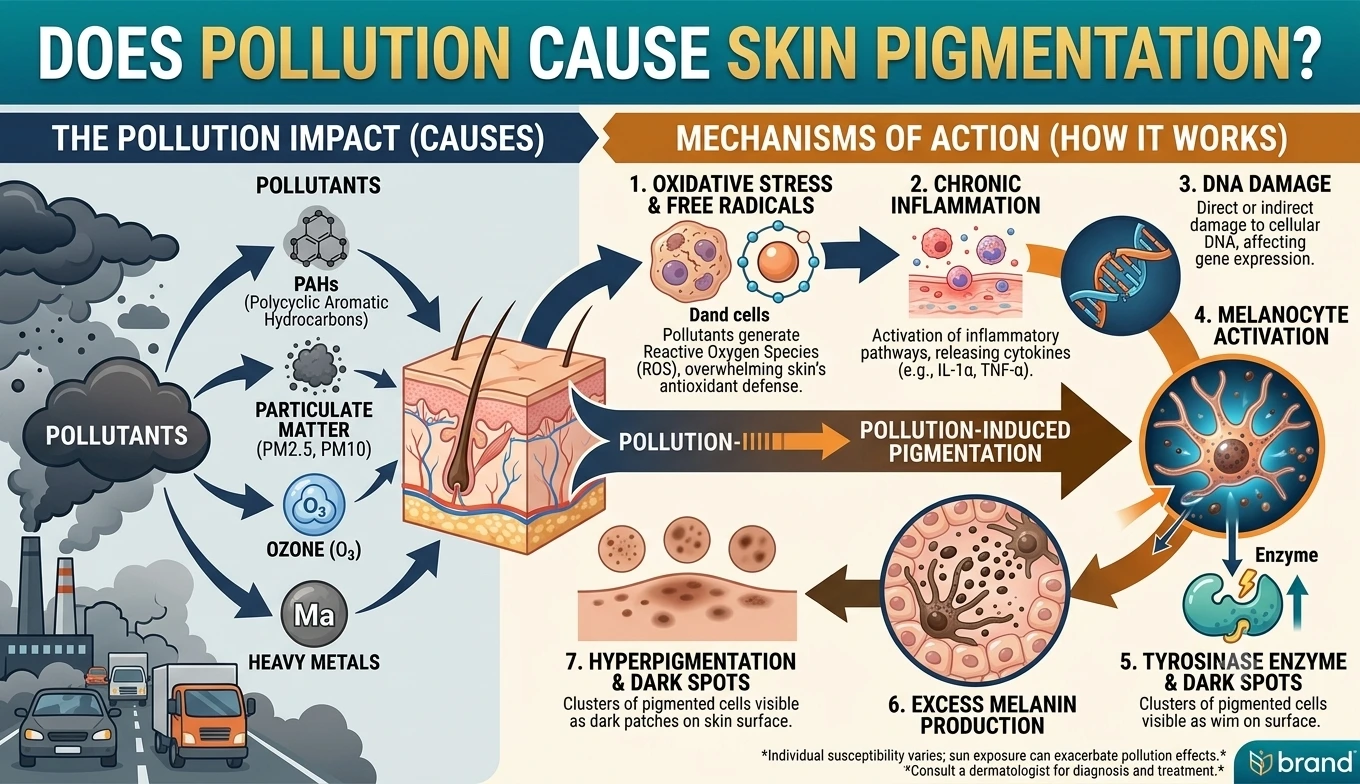
Does Pollution Cause Skin Pigmentation?
Yes, pollution is now recognised as a genuine contributor to skin pigmentation, alongside more familiar triggers like UV exposure and hormonal changes. Airborne particles, traffic fumes, and environmental toxins can all interact with the skin’s surface and trigger the kind of oxidative stress that leads to excess melanin production. For anyone living or working in a busy UK city, this is a concern worth taking seriously, particularly if dark spots or uneven tone seem to appear without any obvious sun exposure.
Professional resurfacing treatments have become an increasingly popular way to manage pollution-related pigmentation, and the Trexyne Peel is one option practitioners are turning to for this exact concern. This article explains how pollution affects the skin, why it often leads to visible pigmentation, and how a mechanical, botanical approach to resurfacing may help support a brighter, more even complexion over time.
How Pollution Interacts With Skin
Skin is the body’s largest barrier against the outside world, which means it is also the first point of contact for airborne pollutants. Understanding exactly how this contact leads to pigmentation helps explain why so many urban clients present with dull, uneven skin tone even when they are diligent about sun protection.
Particulate Matter and the Skin Barrier
Fine particulate matter, often referred to as PM2.5, is small enough to settle into pores and interact directly with skin cells. Repeated exposure to this kind of pollution has been associated with a weakened skin barrier, which can make skin more reactive and more prone to pigment irregularities over time.
Oxidative Stress as the Common Thread
Most pollution-related skin damage comes down to oxidative stress. Pollutants generate free radicals on the skin’s surface, and these unstable molecules can disrupt normal skin cell behaviour, including the way melanocytes produce pigment. This is one of the key mechanisms linking pollution exposure to visible dark spots and uneven tone.
Pollution and Inflammation
Chronic low-level inflammation caused by pollutant exposure can also play a role in pigmentation. Inflamed skin is more likely to produce excess melanin as part of its natural defence response, and repeated micro-inflammation from daily pollution exposure can gradually contribute to a patchy, uneven complexion.
Why Urban Living Increases the Risk
Clients living in busy cities face a very different environmental load compared to those in rural areas, and this has a measurable impact on skin health over time.
Traffic Fumes and Daily Exposure
Diesel exhaust, in particular, contains a mix of particulates and chemical byproducts that settle on exposed skin throughout the day. Commuters who walk, cycle, or spend long periods near busy roads often have significantly higher daily pollutant exposure than they realise.
Pollution Combined With UV Exposure
Pollution rarely acts alone. In many cases, airborne pollutants interact with UV radiation to intensify oxidative damage, which can make pigmentation worse than either factor would cause on its own. This combined effect is particularly relevant during warmer months when both pollution levels and sun exposure tend to rise together.
Indoor Pollution Sources
It is worth remembering that pollution is not purely an outdoor concern. Indoor air quality, affected by things like traffic fumes seeping into buildings or general urban air circulation, can also contribute to cumulative skin exposure, even for clients who spend most of their time indoors.
Recognising Pollution-Related Pigmentation in Clinic
Practitioners often need to distinguish pollution-related pigmentation from other common causes, such as sun damage or hormonal melasma, in order to recommend the most appropriate treatment plan.
Typical Presentation
Pollution-associated pigmentation often appears as a general dullness or patchiness across the face, rather than the more clearly defined patches associated with melasma. It can also be accompanied by a rougher texture, since pollutants contribute to barrier disruption alongside pigment changes.
Client History Matters
Asking about a client’s daily environment, commute, and occupation can offer useful clues. Clients who spend significant time outdoors in urban areas, or who work in environments with higher pollution exposure, may benefit from being asked specifically about this during consultation.
It Often Overlaps With Other Triggers
In most real-world cases, pigmentation is rarely caused by a single factor. Pollution exposure frequently overlaps with sun exposure, hormonal changes, or skin barrier issues, so a thorough assessment is important before recommending any treatment course.
Why Resurfacing Treatments Can Help
Encouraging healthy skin cell turnover is one of the most established approaches to managing pigmentation, regardless of its underlying cause. This is where professional resurfacing treatments come into their own.
Supporting Natural Renewal
Skin naturally sheds and renews itself, but this process can slow down with age, environmental stress, or barrier damage. Supporting this renewal process through professional treatment may help gradually reduce the visible buildup of pigmented, dull-looking surface skin.
A Mechanical Approach for Sensitive or Reactive Skin
Clients dealing with pollution-related pigmentation often have compromised or reactive skin barriers, which means a gentler, more controlled approach to resurfacing is often preferred. The Trexyne Peel uses marine-algae spicules to create controlled micro-channels in the skin without relying on chemical exfoliants, which can make it a suitable option for practitioners working with clients whose skin barriers are already under strain.
Vitamin E and the Recovery Phase
The stabilised Vitamin E included in the Trexyne Peel formulation is designed to support the skin’s recovery phase from the very first application. For clients dealing with pollution-related skin stress, this focus on recovery can be a meaningful part of the overall treatment approach, particularly when skin is already more reactive than usual.
Building a Treatment Plan for Pollution-Exposed Skin
A single treatment is unlikely to reverse the cumulative effects of long-term pollution exposure, which is why a structured, progressive plan tends to produce better results.
Starting With a Lower Intensity
For clients with visibly compromised or sensitised skin, starting with a lower intensity setting allows the skin to adjust gradually. The tiered protocol available with the Trexyne Peel makes this kind of cautious introduction straightforward, letting practitioners match intensity to the individual client’s skin condition.
Progressing the Course Over Time
As skin becomes more resilient and barrier function improves, intensity can be increased in line with the client’s response. This progressive approach tends to suit clients dealing with long-term environmental exposure, since it avoids overwhelming already-stressed skin.
Spacing Sessions Appropriately
Allowing adequate time between sessions gives skin the opportunity to complete its natural recovery phase before the next treatment. This is particularly important for pollution-exposed skin, which may take slightly longer to stabilise compared to skin with less environmental stress.
Supporting Results Between Clinic Visits
Professional treatment works best when paired with sensible daily habits that reduce ongoing pollutant exposure and support the skin barrier.
Daily Cleansing Matters More Than Clients Realise
Encouraging clients to cleanse thoroughly at the end of each day helps remove surface pollutants before they have a chance to sit on the skin overnight. This simple habit is often underestimated but can make a genuine difference for pollution-exposed skin.
Antioxidant-Supportive Skincare
While specific product recommendations fall outside the scope of this article, general education around antioxidant-supportive skincare can be a useful conversation to have with clients, since oxidative stress is such a central part of pollution-related skin damage.
Sun Protection Remains Essential
Given how closely pollution and UV exposure interact, daily sun protection remains one of the most important habits practitioners can reinforce, regardless of how a client’s pigmentation originally developed.
Setting Realistic Expectations With Clients
Pigmentation caused by long-term environmental exposure can take time to visibly improve, and clients should be guided towards realistic expectations from the outset.
Explaining the Cumulative Nature of Pollution Damage
Because pollution-related pigmentation often builds up gradually over months or years, it is reasonable to explain that visible improvement will also take time and consistency, rather than appearing after a single session.
Avoiding Overpromising
Language such as “may help” or “can support” is far more appropriate than definitive claims when discussing pigmentation outcomes, both for regulatory reasons and because individual skin response varies considerably between clients.
The Value of Course-Based Treatment
Clients tend to respond better when treatment is framed as an ongoing course rather than a one-off fix. This framing also tends to align more closely with how pollution-related pigmentation actually behaves over time.
Why Practitioners Are Choosing a Botanical Approach for This Concern
As awareness of pollution’s impact on skin grows, more clinics are looking for resurfacing options that avoid additional chemical stress on already sensitised skin. A treatment built around a botanical, mechanical mechanism offers a logical fit for this client group.
Clinics interested in adding this approach to their pigmentation offering can explore the full range in the Trexyne shop, or contact the team directly through the Trexyne contact page to discuss stocking and professional training options. Further information about the brand’s overall approach to professional skincare is available on the Trexyne homepage.
Conclusion
Pollution is a genuine and growing contributor to skin pigmentation, working through oxidative stress, barrier disruption, and low-level inflammation that gradually shows up as dullness, dark spots, and uneven tone. Urban living, traffic exposure, and the combined effect of pollution and UV radiation all add to this cumulative burden, particularly for clients who spend significant time outdoors. Supporting the skin’s natural renewal process through professional resurfacing may help gradually address this kind of environmental pigmentation, and a mechanical, botanical approach can be especially suitable for skin that is already under barrier stress. With its marine-derived spicule mechanism and recovery-focused Vitamin E formulation, the Trexyne Peel may help support a brighter, more even-looking complexion for clients managing the visible effects of long-term pollution exposure.
Frequently Asked Questions
Q: Can pollution really cause dark spots on the skin?
Yes, pollution exposure has been associated with oxidative stress that can trigger excess melanin production, which may contribute to dark spots and uneven pigmentation over time, particularly with repeated daily exposure.
Q: How is pollution-related pigmentation different from sun-related pigmentation?
Pollution-related pigmentation often presents as general dullness and patchiness rather than the more clearly defined patches typically associated with sun damage, though the two frequently overlap and can be difficult to separate without a proper skin assessment.
Q: Can a professional peel help reduce pigmentation caused by urban pollution?
Encouraging healthy skin renewal through professional resurfacing may help support a more even complexion over a structured course of treatments, though individual results vary depending on skin condition and exposure history.
Q: Is it safe to have a resurfacing treatment if my skin barrier feels compromised from pollution exposure?
A tiered, mechanical approach allows practitioners to start at a lower intensity and adjust gradually, which can make treatment more suitable for clients with sensitised or reactive skin, subject to a proper in-clinic assessment.
Q: How many sessions are typically needed to see improvement in pollution-related pigmentation?
This varies between individuals, but because pollution damage builds up gradually over time, a structured course of several sessions tends to be associated with more noticeable and lasting improvement than a single treatment.
Q: Does living in a city always mean worse skin pigmentation?
Not necessarily, but higher daily exposure to traffic fumes and airborne particulates in urban areas can increase the risk of pollution-related skin changes, which is why environmental history is a useful part of any pigmentation consultation.
Q: Where can practitioners find out more about offering pollution-focused resurfacing treatments?
Practitioners can view full details on the product page, browse further options in the shop, or get in touch via the contact page to discuss stocking and training.